AI Glasses Trigger Alarm at CSAT Test Sites... Manual on Cheating Countermeasures to Be Released on the 15th
- Input
- 2026-10-04 18:26:08
- Updated
- 2026-10-04 18:26:08
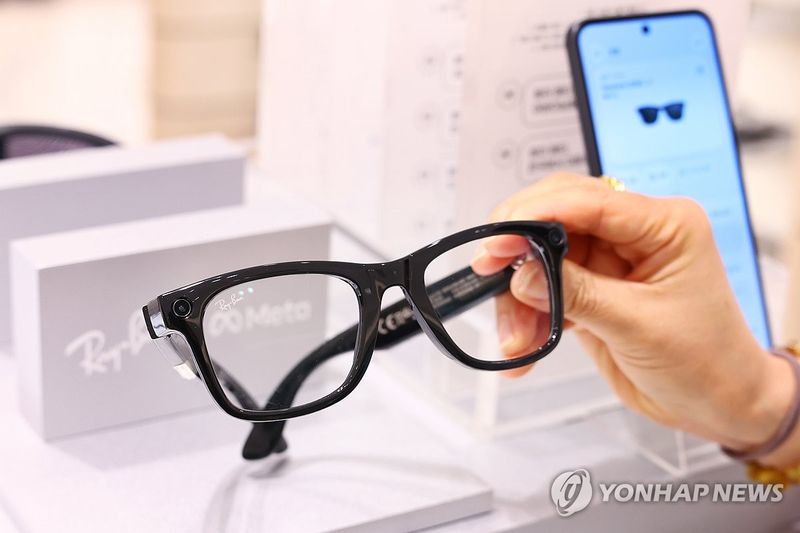
According to reporting by Financial News on the 4th, the Ministry of Education and KICE will prepare separate response guidelines for proctors and notices for test takers and distribute them in the form of printed materials and videos on the 15th. As smart glasses began to spread in earnest following the domestic commercialization of Meta AI glasses in May, the authorities designated them as prohibited items for the CSAT in June and are now detailing procedures to be applied at actual test sites.
The recent increase in cases involving test takers caught carrying prohibited items at CSAT test sites is also heightening the need for countermeasures. Unlike conventional electronic devices, AI glasses are difficult to distinguish from ordinary glasses, making it hard to identify them immediately at the site even when they are brought into the test room or used for cheating.
According to data submitted by the Ministry of Education to the office of Baek Seung-a, a Democratic Party of Korea lawmaker on the National Assembly Education Committee, there were no detected cases of cheating involving the viewing of unauthorized materials or the use of wireless devices during the five years from the 2022 CSAT through the 2026 CSAT. However, cases involving the possession of prohibited items have been rising, increasing from 65 in the 2022 CSAT and 65 in the 2023 CSAT to 63 in the 2024 CSAT, 71 in the 2025 CSAT and 84 in the 2026 CSAT.
Particular caution is required this year because it will be the first CSAT held since AI glasses such as Ray-Ban Meta and Oakley Meta became commercially available in South Korea in May. Devices equipped with functions such as photography and communications have repeatedly been confirmed to have been used for cheating in other exams. In the TOEIC exams held on May 10 and 31, one test taker wearing AI glasses was caught on each date. Between May and June, five cases were recorded in national technical qualification exams, including the Fire Protection Facilities Engineer, Information Processing Engineer, Electrical Industrial Engineer and Gas Craftsman exams, in which test takers wore or used smart glasses and were consequently treated as having invalidated their exams or as having cheated.
Experts recommend establishing specific identification standards and procedures for before and after the exam that also take into account possible device modifications, such as removing LED displays or concealing cameras.
Hyung-Nam Moon, president of the Korea AI Education Association and a professor in the Division of Convergence and International Studies at Sookmyung Women's University, stressed, "AI glasses are becoming increasingly difficult to distinguish from ordinary glasses, so authorities should consider introducing technical means capable of detecting electronic devices and communications functions."
[email protected] Choi Hye-rim Reporter