Seoul Flu Spreads Three Weeks Earlier Than Last Year; Detected in Wastewater Since July
- Input
- 2026-10-04 14:48:04
- Updated
- 2026-10-04 14:48:04
[Financial News] Influenza (flu) cases in Seoul began increasing three weeks earlier this year than last year. The flu virus was detected in wastewater starting in late July, before the number of patients began to rise. According to an analysis of patient and wastewater samples by the Seoul Institute of Health and Environment on the 4th, flu cases in Seoul began to increase in the 35th week, at the end of August. This was three weeks earlier than last year and 11 weeks earlier than in 2019, before the COVID-19 outbreak.
Wastewater surveillance detected the flu virus earlier, beginning in late July, during the 31st week. The detection came six weeks earlier than last year, indicating that signs of an outbreak were identified before patient numbers began to rise. The virus currently circulating is Influenza A virus subtype H1N1 (H1N1), and detection levels are increasing in both patient and wastewater samples.
The flu season is also lasting longer. The 2025–2026 flu season lasted 16 weeks, more than three times the five-week period recorded in 2024–2025.
In response, the Korea Disease Control and Prevention Agency (KDCA) issued an influenza epidemic alert on September 11, earlier than in previous years. The national free vaccination program began in phases on September 21.
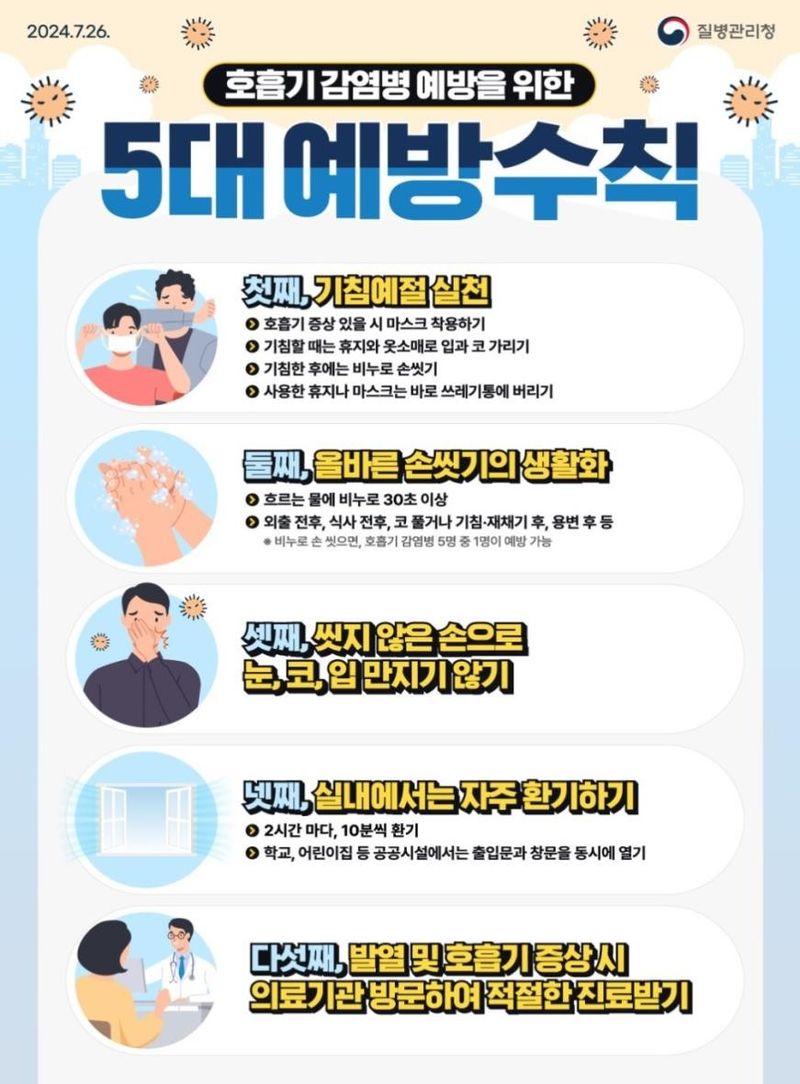
Park Ju-seong, director of the Seoul Institute of Health and Environment, said, "We ask citizens to actively follow basic personal preventive measures, such as washing their hands and wearing masks, along with getting vaccinated."
[email protected] Sung Cho-rong Reporter