"Completely Outclassed by India" — Women Suffer First-Ever Gold-Medal Shutout... South Korean Archery's Throne Toppled in Shock [Nagoya Asian Games]
- Input
- 2026-10-04 19:00:00
- Updated
- 2026-10-04 19:00:00
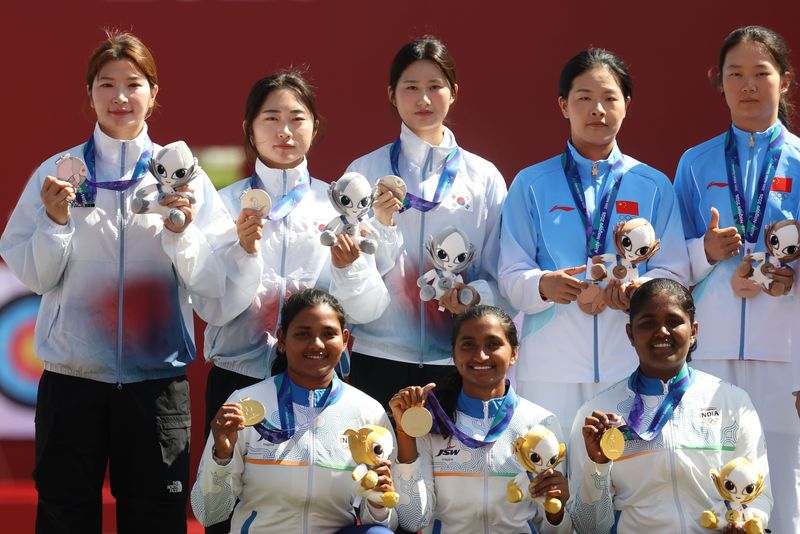
[Financial News] South Korea's seemingly impregnable archery fortress, which appeared destined to stand forever, collapsed helplessly before the fierce sandstorm unleashed by emerging powerhouse India. South Korea salvaged some pride by winning three gold medals, but suffered the unprecedented setback of failing to win even a single gold medal in women's recurve at the Asian Games for the first time in the event's history. Worse, South Korea surrendered overall archery supremacy across recurve and compound to India, sending a harsh alarm bell ringing through K-archery, which had prided itself on being the world's best.
South Korea's national archery team finished the archery events at the 2026 Aichi-Nagoya Asian Games, which concluded on the 3rd, with three gold medals, three silver medals and three bronze medals. India, meanwhile, surged ahead with five gold medals, two silver medals and two bronze medals, pushing South Korea into second place and producing a stunning upset as the new dominant force in Asian archery.
The most shocking development was the gold-medal shutout suffered by South Korea's women's recurve team, which had ruled as an absolute monarchy on both Asian Games and Olympic stages. After losing to India in the women's team final and falling short of an eighth consecutive title, Oh Ye-jin of Kwangju Bank was also stopped in the individual final by India's 17-year-old newcomer Kumkum Anil Mohod.
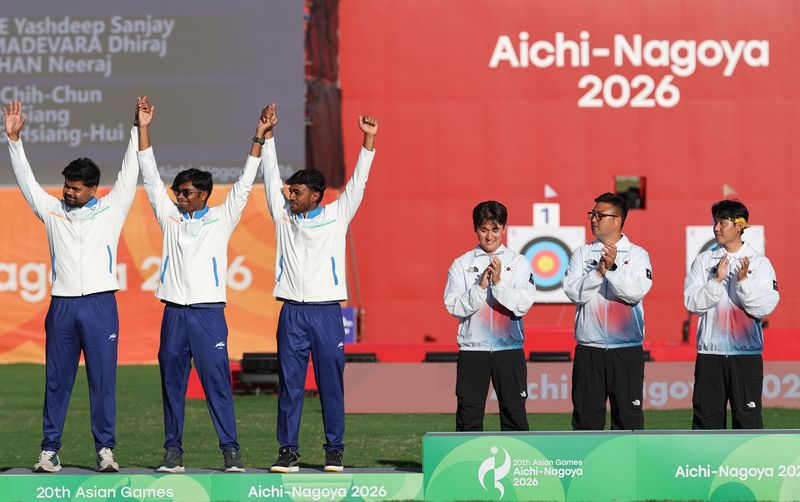
Oh Ye-jin fought through a nerve-racking battle that was tied 5-5 after five sets. But in the decisive shoot-off, where a single arrow determines the outcome, she scored an 8 while Mohod hit a 10, suffering a heartbreaking comeback defeat. This was the first time South Korean women's archery had returned empty-handed from the Asian Games.
The men's recurve team, led by ace Lee Woo-seok of Kolon Xtenboiz, was the one that managed to preserve South Korea's collapsing pride.
Lee Woo-seok defeated Japan's Junya Nakanishi 6-2 in sets in the men's individual final at the multipurpose plaza at Okazaki Central General Park on the 3rd to win the gold medal. A day earlier, Lee had teamed up with Kim Woo-jin of Cheongju City Hall and Kim Je-deok of Yecheon County Office to beat India 5-1 in the men's team final. With two gold medals at these Games, he finally fulfilled his long-held ambition of winning his first individual title at a major international competition.
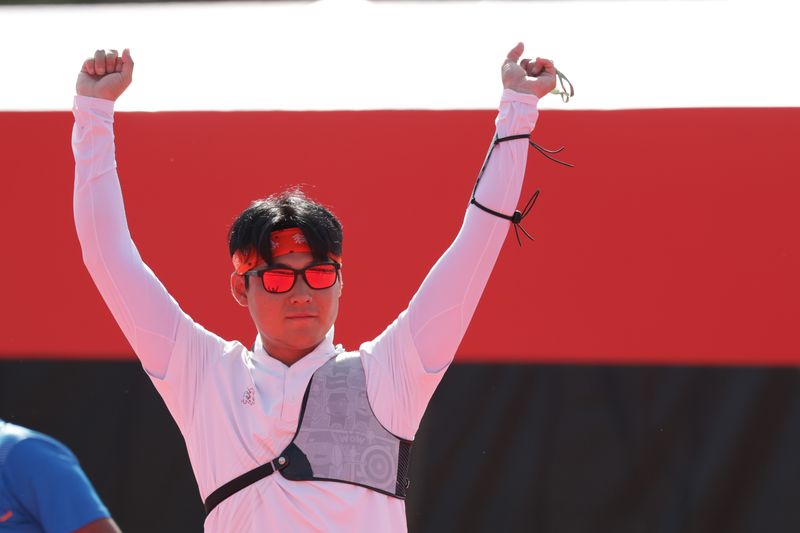
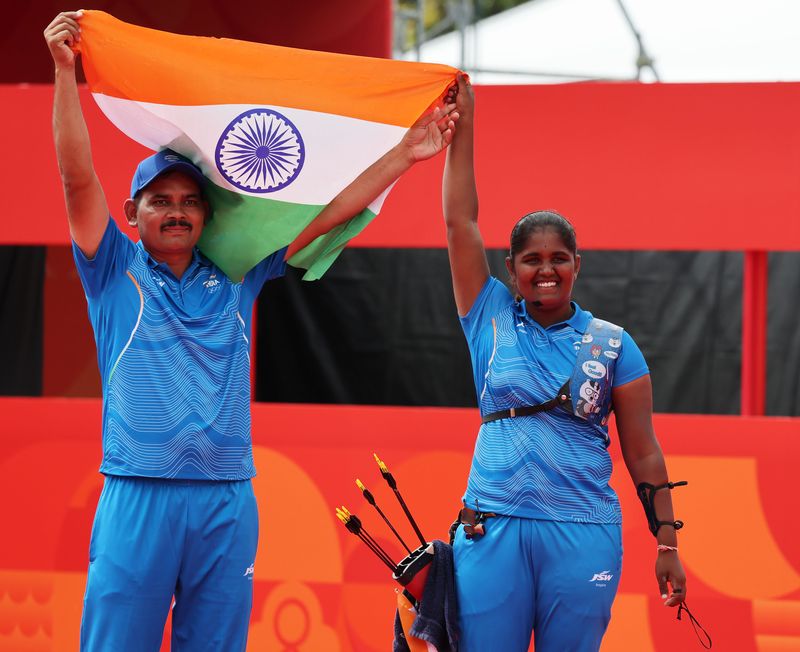
Adding the gold medal won by Kim Jong-ho of Hyundai Steel in the compound men's individual event, South Korea took home three gold medals in total. The men's team's determined efforts helped the country avoid a complete collapse, but the results fell woefully short of those expected from a nation known as the world's No. 1.
After nearly sweeping the compound events and devouring the women's recurve division as well, India emerged as a new archery powerhouse, moving beyond the broader equalization of Asian archery. South Korean archery, forced to surrender its world-leading title to India and return home bitterly disappointed, now faces the painful task of comprehensively overhauling its system ahead of the 2028 Los Angeles Olympics—from national-team selection to psychological training.
[email protected] Jeon Sang-il Reporter