Subtropical fish species account for up to 81.8% of fish in Jeju waters... Shark and jellyfish sightings also surging
- Input
- 2026-10-04 12:30:19
- Updated
- 2026-10-04 12:30:19
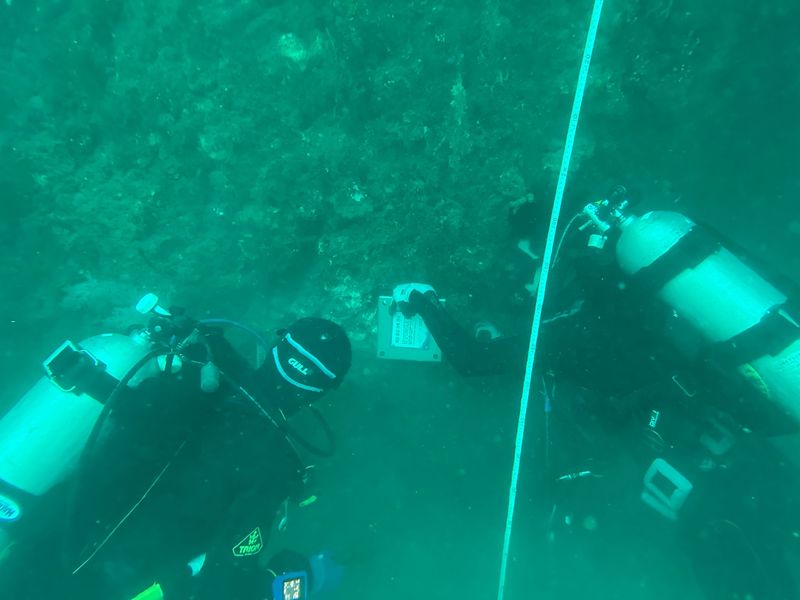
[Financial News Jeju = Reporter Jeong Yong-bok] It has been found that the proportion of subtropical fish species among fish surveyed in some coastal areas of Jeju has reached up to 81.8%. In Bukchon, Jocheon-eup, Jeju, the proportion of subtropical fish increased from 31.3% to 52.4% over the past seven years, and with the bycatch of large sharks and jellyfish damage surging in the East Sea, changes in the marine life of our seas are spreading from Jeju to the South and East Seas.
According to data submitted by the Korea Institute of Ocean Science and Technology to Rep. Moon Dae-rim of the Democratic Party of Korea, a member of the National Assembly’s Agriculture, Food, Rural Affairs, and Oceans and Fisheries Committee, on the 4th, the proportion of subtropical fish species surveyed in the waters of Jeju from 2013 to 2023 was 47.2% to 81.8%.
The figures were 50.0–66.7% for Sagye, 45.2–58.5% for Sinchang, and 33.3–51.1% for Bukchon. Here, the proportion of subtropical fish species refers to the share of subtropical species among all fish species identified in the survey.
The trend was even clearer in the survey of Bukchon-ri in northern Jeju, which examined changes in the same area over a long period. In 2015, 10 out of the 32 total fish species identified were subtropical, accounting for 31.3%. By 2022, 22 out of the 42 total species were classified as subtropical, raising the proportion to 52.4%. This represents a 21.1 percentage point increase over seven years.
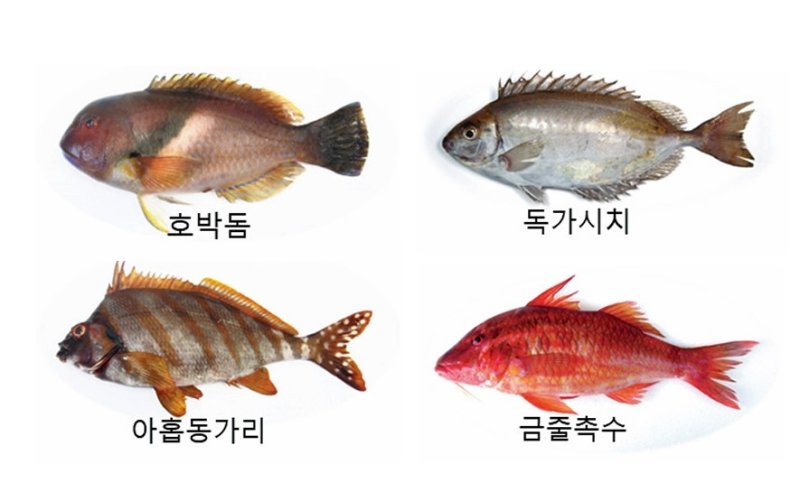
Various subtropical fish species, such as Spotted morwong, spiny rabbitfish, Small scale black fish, Bluestriped angelfish, the barred knifejaw, immaculate boxfish, and Japanese barracuda, are being identified in the waters off Jeju.
The appearance of subtropical and unusual marine life has continued in recent data as well. In the 2021–2026 survey of the waters off Jeju, species such as Spotted morwong, Azure tuskfish, Bambooleaf wrasse, Amberjack, Porcupine fish, Spotted knifejaw, barracuda, and spiny rabbitfish were repeatedly observed.
Dangerous creatures were also identified. Highly venomous blue-lined octopuses and sea snakes appeared consistently during the survey period, and after 2024, whale sharks and Copper sharks were also included in the appearance records.
The changes are not limited to Jeju. In the coastal waters of Gijang-gun, Busan, subtropical species accounted for 56% of the total 78 species surveyed between 2007 and 2009, with 44 species. By 2025, 151 out of a total of 212 species were found to be subtropical, raising the proportion to 71%. Subtropical fish species that were relatively difficult to find in the past, such as Longfin batfish and butterflyfish, were also identified.
In Ulleungdo as well, 58.5% of the observed fish were classified as tropical or subtropical. The key point is that a high proportion and increasing trend of tropical and subtropical fish species are being confirmed simultaneously in various sea areas.
Changes in the ecosystem are not limited to the composition of fish species. The number of large sharks caught as bycatch off the East Coast surged from 1 in 2022 to 15 in 2023 and 44 in 2024. It increased from 1 to 44 cases in just two years.
The upward trend continued into this year. The number of large shark sightings from April to June was 46, which is 3.8 times the 12 cases recorded during the same period last year.
The increase in jellyfish is also steep. The number of Moon Jellyfish surveyed in Goseong, South Gyeongsang Province, increased from 115 individuals per 100 m2 in 2021 to 8,209 individuals in 2025. This is approximately 71 times. The number of Nemopilema nomurai flowing in from the East China Sea also increased ninefold, from 10 individuals per hectare in 2023 to 90 individuals in 2024.
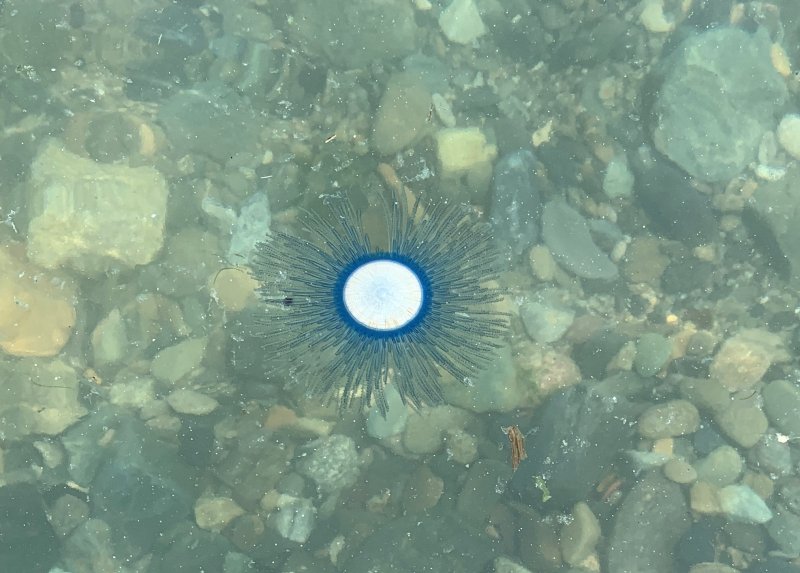
The increase in jellyfish appearances has also led to human harm. Nationwide jellyfish sting incidents rose 5.7-fold in just one year, from 744 cases in 2023 to 4,224 cases in 2024. This represents an increase of 3,480 cases.
This year's jellyfish advisories also began in Jeju Province in June, then expanded to Busan and Ulsan in July, and the East and South Seas in August. Not only Nemopilema nomurai, but also toxic jellyfish such as ghost jellyfish, Dactylometra quinquecirrha, and Carybdea brevipedalia are being detected along the domestic coast.
This data shows that the recent appearance of a large shark at Busan North Port, which has attracted attention, cannot be viewed merely as an isolated phenomenon.
This is because, while the proportion of subtropical fish is increasing in Jeju Province, changes distinct from the existing distribution of marine life, such as subtropical species, sharks, and jellyfish, are also being observed in other waters.

It is difficult to attribute the increase of individual species to a single specific factor, such as rising sea temperatures. Since various conditions, including ocean currents, prey, breeding environments, and survey intensity, can influence appearance records, water temperature, biological, and environmental data must be analyzed together.
Representative Moon Dae-rim proposed that we should move away from reactive responses that verify the appearance or damage of specific organisms after it occurs and establish an AI-based marine ecosystem prediction system. The aim is to create a 'Marine AX System' that integrates and analyzes marine biological observation data with environmental information such as underwater video, sound, and water temperature to constantly diagnose ecosystem changes and detect abnormal signs in advance.
Representative Moon said, "The proportion of subtropical fish species in some waters off Jeju Province exceeds 80%, and the patterns of appearance of large sharks and jellyfish are also changing," adding, "We must establish a system that combines accumulated marine biological and environmental information with AI to diagnose changes in the ocean and predict abnormal signs in advance."
[email protected] Jeong Yong-bok Reporter