"1,600-yen crepes for 680 yen": Japan, exhausted by food costs, sees 'end-of-day discount apps' take off
- Input
- 2026-10-04 12:07:33
- Updated
- 2026-10-04 12:07:33
[Financial News, Tokyo—Correspondent Seo Hye-jin] "I reserve it right away when my favorite shop posts a product."
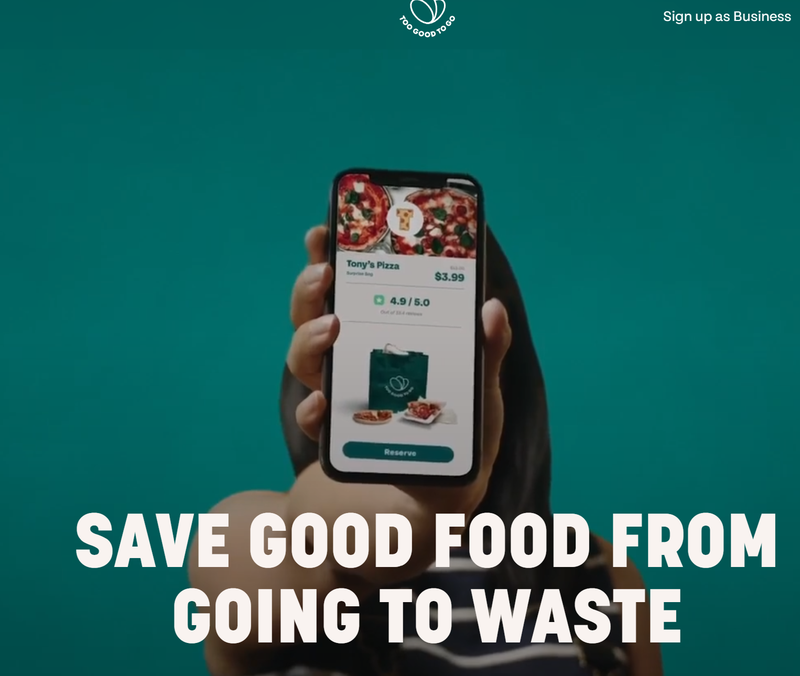
At UDAUDACAFE, a crepe shop in Hiratsuka City, Kanagawa Prefecture, Japan, a female customer picked up an assortment of crepes normally priced at 1,600 yen (about 13,680 won) for 680 yen (about 5,814 won). She had ordered the items in advance through the food waste reduction app Too Good To Go (TGTG). The shop sells food that might otherwise be discarded, while consumers enjoy snacks at less than half the regular price.
In Japan, where high prices have increased the burden of food expenses, apps that allow users to buy unsold food at low prices are gaining popularity. The practical savings, combined with the appeal of contributing to environmental protection, are rapidly expanding their user base.
■ Food expenses account for 28.6% of household spending as consumers seek half-price food
According to the Nihon Keizai Shimbun on the 4th, Too Good To Go, which originated in Denmark, secured about 600,000 users after entering Japan in January this year. The company said the growth rate was exceeding its initial projections. The number of participating stores has also risen to around 700, mainly in Tokyo. Lawson, Krispy Kreme Doughnuts Japan and the well-known bakery Boul'Ange are among the participants.
Users select a store on the app, make a reservation and payment, and then collect the products at a designated time. Prices are generally set at half the regular price or less. Since users do not know what food is included until pickup, receiving the package also offers the excitement of a surprise bundle.
The rising burden of food expenses is driving the app's popularity. According to the household survey by Japan's Ministry of Internal Affairs and Communications (MIC), the Engel coefficient—the share of food expenses in consumer spending—reached 28.6% last year, its highest level since 1981. The increase came as companies reflected higher costs in retail prices, while imported raw materials and energy also became more expensive.
Ryoichi Yasui, an office worker in his 40s living in Tokyo, buys bread through Too Good To Go at a convenience store near his workplace about once every two weeks. He said, "I learned about the app while looking for a way to buy bread for my family at a lower price," adding, "I use it purely because of the price."
In Japan, Too Good To Go has emphasized value over environmental protection. The Japanese version does not include the phrase "You are a hero," which is displayed in Europe after a purchase is completed. Instead, it shows the amount saved and the reduction in greenhouse gas emissions side by side. The aim is to help users naturally recognize the environmental benefits after shopping at a low price.
■ Bread headed for disposal becomes revenue as hotels sell breakfast leftovers in boxed meals
For stores, the app offers an opportunity to turn products destined for disposal into revenue and attract new customers. Ayaka Udagawa, owner of UDAUDACAFE, said, "Customers from far away have started coming to the shop, and whenever we list products, they always sell out."
NewDays, a convenience store chain affiliated with East Japan Railway (JR East), has 160 stores participating in Too Good To Go. Of the approximately 85,000 loaves of bread scheduled for disposal last August, around 14,000 were sold through the app.
The app has also changed store operations. Previously, stores reduced the amount of food on display from the evening onward to limit disposal losses. Now that remaining products can be sold through the app, they can more easily maintain display levels until closing. The change is also expected to reduce both disposal losses and missed sales opportunities caused by insufficient inventory.
TABETE, another Japanese food waste reduction app, had about 1.32 million registered users as of July, an increase of 320,000 over the past year and nine months. Unlike Too Good To Go, which generally offers products at half price or less, TABETE allows stores to set their own selling prices.
Hotels are turning leftover food from breakfast buffets into side dishes and boxed meals for sale. Vessel Hotel Development offers side dishes starting at 100 yen (about 855 won) and boxed meals for 300–500 yen (about 2,565–4,275 won). Mitsui Fudosan Hotel Management operates a similar service at about 14 hotels and said, "The products sell out within minutes every time."
■ Low food self-sufficiency adds to price pressures, limiting the spread of discount apps
Japan's highly import-dependent food supply structure is also contributing to rising food expenses. According to Japan's Ministry of Agriculture, Forestry and Fisheries, the country's calorie-based food self-sufficiency rate was 37% in fiscal 2025, among the lowest levels ever recorded. When the yen weakens, prices for imported food and raw materials rise, putting additional pressure on domestic food prices.
An analysis by Japan's Cabinet Office found that the share of imports used directly in food manufacturing rose from 10.0% in 2000 to 14.2% in 2020. Exchange-rate fluctuations also tended to be reflected in consumer prices for food excluding fresh produce and rice, with a lag of about one year.
The Japanese government plans to reduce the consumption tax rate on food from 8% to 1% for two years beginning next April. Some government officials, however, say that while the measure could ease the burden on households, it would not address the fundamental causes of rising food prices.
As food expenses remain difficult to reduce, demand for discount apps is growing, but expanding the number of participating stores remains a challenge. Businesses are concerned that disclosing surplus food or selling it at a discount could damage their brand image.
Kazuma Kawagoe, president of CoCooking, the operator of TABETE, said, "Quite a few businesses decline to adopt the service because they do not want to disclose the fact that food waste occurs at all."
Japan generated an estimated 4.61 million tons of food waste in fiscal 2024, resulting in economic losses of 3.8 trillion yen (about 32.49 trillion won). Consumers have significant room to reduce their food expenses, while stores can cut disposal losses. Nikkei pointed out that the key to turning growing demand for savings into sustained use will be securing enough participating stores so people can easily buy surplus food near their homes and workplaces.
[email protected] Seo Hye-jin Reporter