[On the Ground] Seochon and Bukchon gain ground as Seongsu-dong reaches saturation... F&B industry expands its offline footprint
- Input
- 2026-10-07 09:49:15
- Updated
- 2026-10-07 09:49:15
[Financial News] “It’s unusual to be able to leisurely enjoy pop-up events featuring traditional Korean food and tea in a hanok. X (formerly Twitter) recommended Bukchon as a place to visit in Korea, so I really wanted to come.”
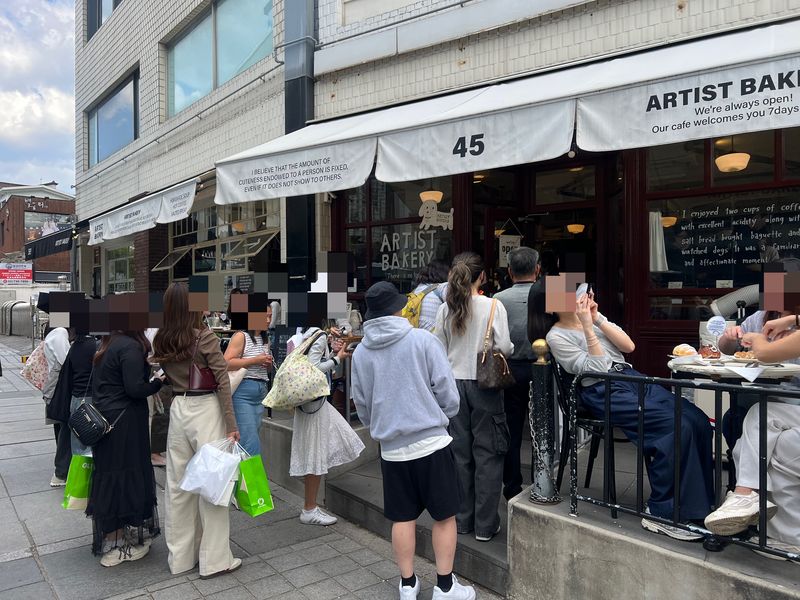
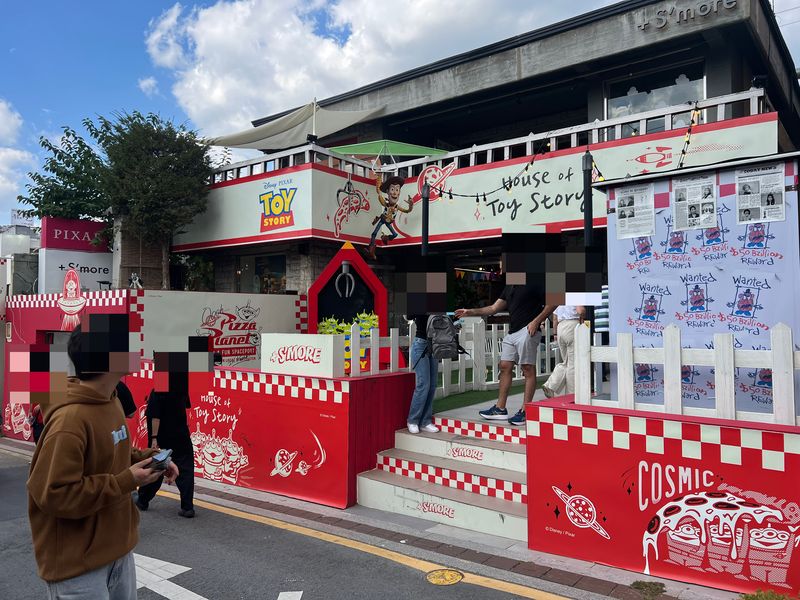
Chuma, a Japanese tourist visiting Seoul, gave this explanation for visiting the Bukchon and Seochon areas on the 4th. The neighborhoods of Seochon and Bukchon in Jongno-gu, Seoul, were bustling with tourists seeking K-desserts and distinctive pop-up stores. As Seongsu-dong, once known as the “holy grail of pop-ups,” has become severely saturated, retailers are focusing on setting up pop-ups and flagship stores in Seochon and Bukchon, where tradition and modernity intersect.
Global franchises and the entertainment industry have also fallen for the charm of hanok. This summer, KFC opened a distinctive pop-up store combining hanok and fast food under the concept “Kentucky Grandpa’s Crispy Housewarming,” generating considerable buzz on social media. Häagen-Dazs also held a traveling ice cream bar pop-up in the Bukchon area this summer.
The areas are also being used as marketing hubs targeting idol fandoms and people in their 20s and 30s. Girl group LE SSERAFIM held a related pop-up at the Osulloc store in Bukchon last June to mark its comeback. An office worker surnamed Lee, whom we met at the Osulloc store in Bukchon that day, said, “I used to visit popular pop-up stores in Seongsu-dong every weekend, but the lines were too long, and I grew tired of the factory-like spaces. By contrast, the Seochon and Bukchon areas have a distinctive charm: you can enjoy a variety of food and beverage (F&B) offerings while drinking tea amid the relaxed atmosphere of hanok.”
The F&B industry is turning its attention to Seochon and Bukchon because established commercial districts are saturated, rents are burdensome and consumers are increasingly tired of pop-ups. According to the Seoul Metropolitan Government’s commercial district analysis service, Seochon had 110.3 visitors per store in the second quarter of this year, about four times Seongsu-dong’s 28.9. Seochon also far outpaced Seongsu-dong in visitors per hectare, with 71,456 compared with 48,698. The areas’ mostly flat alleyways make it easy to get around on foot, and demand comes not only from tourists but also from office workers near Gwanghwamun, making it easier to attract visitors.
Their value as global marketing hubs is also rising as foreign tourists flock to the areas. Unlike Seongsu-dong, whose visitors are mostly from Asia, Seochon and Bukchon draw a higher proportion of tourists from Western regions such as North America and Europe. This is because K-food has recently gained worldwide popularity, increasing the importance of marketing to global consumers.
Yu Seon-jong, a professor in the Department of Real Estate at Konkuk University, said, “For people to gather in a space, there need to be plenty of things to see. These areas have high spatial density and narrow alleys, which offer a variety of things to see and also create the impression that there are a lot of people around.” He added, “Being close to downtown areas and convenient to get to after work is another attraction of these neighborhoods.”
[email protected] Park Gyeong-ho Reporter