Illegal Parking Within 5 Meters of Fire Hydrants Can Disrupt Water Supply During Fires; Province-Wide Crackdown in Jeju Province on the 22nd
- Input
- 2026-10-04 11:32:44
- Updated
- 2026-10-04 11:32:44
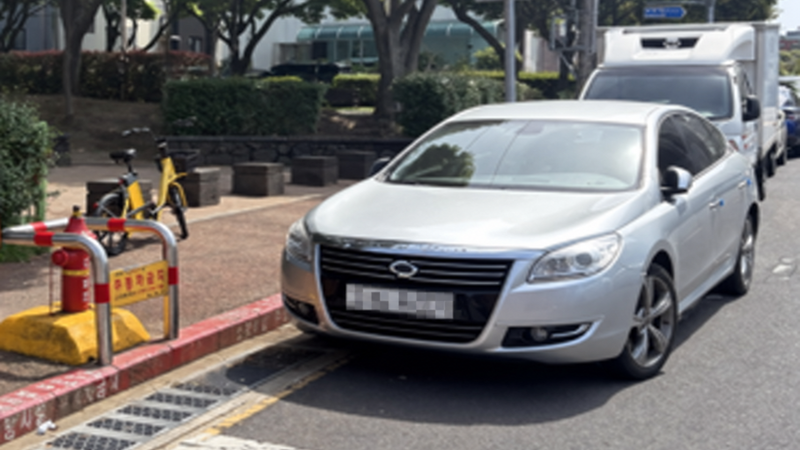
【Financial News, Jeju = Reporter Jeong Yong-bok】 Fire hydrants are vital water-supply facilities that continuously provide water to fire engines at fire scenes. If a vehicle blocks the area directly in front of a hydrant, access by fire engines and hose connections can be delayed, hindering initial firefighting efforts. As a result, Jeju Province will conduct a province-wide crackdown on illegal parking and stopping around fire hydrants.
The Jeju Fire Safety Headquarters said on the 4th that it would simultaneously crack down on vehicles illegally parked or stopped within 5 meters of fire hydrants across Jeju Province on the 22nd.
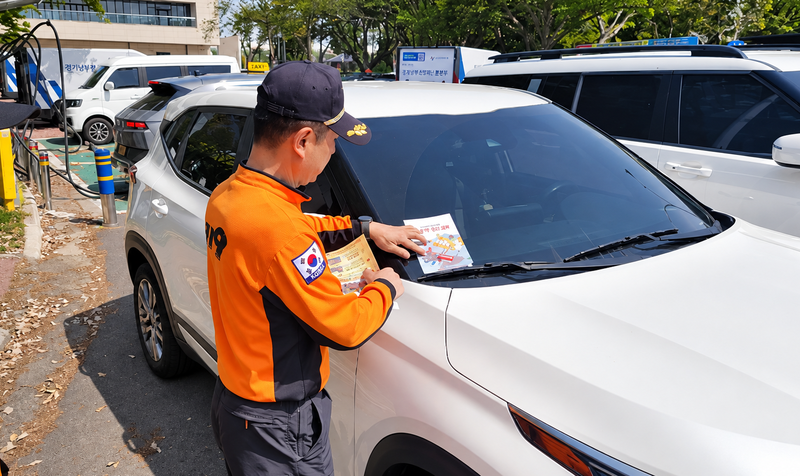
Firefighters, enforcement officials from local administrative districts and volunteer firefighters will form joint enforcement teams and be deployed to the sites. On-site enforcement will be carried out alongside a citizen reporting system through the Safety e-Report app. Parking and stopping near fire hydrants is more dangerous than ordinary illegal parking because it can directly obstruct the water supply needed to extinguish fires.
Fire engines dispatched to fire scenes initially use the water carried in their onboard tanks. However, additional water is needed when a fire grows or firefighting operations continue for an extended period. Firefighters then connect hoses to hydrants installed along roads and in residential areas to obtain more water.
When a vehicle is parked in front of a fire hydrant, it becomes difficult for a fire engine to approach the proper position. It also reduces the space available for firefighters to connect hoses and operate valves. If firefighters must move the vehicle or take a detour to secure water, full-scale water-discharge operations can be delayed accordingly.
For this reason, even a brief stop is prohibited around fire hydrants. Under the Road Traffic Act, vehicles may not be parked or stopped within 5 meters of fire hydrants and other firefighting water facilities. In areas with safety signs, violations carry fines of 80,000 won for passenger cars and 90,000 won for vans.
The higher fines than those for ordinary illegal parking reflect the fact that these areas are safety zones directly tied to fire response, rather than merely traffic order.
The 2017 Jecheon building fire at a sports center in North Chungcheong Province is cited as a leading example of illegal parking obstructing actual firefighting operations.
Twenty-nine people died in the fire, and concerns were raised that illegally parked vehicles around the building delayed the entry of firefighting vehicles, including aerial ladder trucks. The Jecheon fire was different from an incident in which a vehicle directly blocked a hydrant, but it remains a prominent example of how a single illegally parked vehicle can take critical time away from emergency firefighting operations.
Legal measures against vehicles obstructing emergency firefighting operations were subsequently strengthened. After the Framework Act on Firefighting Services was revised in 2018, the heads of fire headquarters and fire stations, as well as fire commanders, were given a clear legal basis to remove or move parked vehicles and objects that obstruct emergency dispatches and firefighting operations.
However, concerns have also been raised about the continuing gap between legal authority and actual enforcement at fire scenes. According to data analyzed by the National Assembly Research Service (NARS) in 2024, only four cases nationwide involved the compulsory removal of illegally parked vehicles during firefighting operations in the five years after the relevant law was revised.
Because moving or damaging vehicles at fire scenes can lead to complaints and disputes, authorities have faced difficulties actively exercising the compulsory powers provided by law. Ultimately, keeping the area within 5 meters of a hydrant clear at all times is the most reliable response, rather than trying to move vehicles forcibly after a fire has already started.
In Jeju Province, vehicles can readily be found occupying areas around fire hydrants in neighborhoods and commercial districts with severe parking shortages. Some drivers park directly beside hydrants even where red road markings and no-parking notices are displayed, prompting fire authorities to repeat enforcement operations and public awareness campaigns.
The purpose of this province-wide crackdown is not simply to issue fines. It is primarily intended to ensure in advance that sufficient space is available to secure firefighting water immediately in the event of a fire. The Jeju Fire Safety Headquarters plans to continue enforcement and public awareness efforts targeting illegal parking and stopping around fire hydrants after the crackdown on the 22nd.
Park Jin-su, head of the Jeju Fire Safety Headquarters, said, "Illegal parking and stopping around fire hydrants is not merely a traffic violation; it can directly affect the lives and property of Jeju residents. Please refrain from parking or stopping within 5 meters of fire hydrants and cooperate in creating a safe environment for firefighting operations."
[email protected] Jeong Yong-bok Reporter