‘Chipflation’ puts budget TV profitability under pressure as Samsung, LG step up premium push
- Input
- 2026-10-13 07:59:00
- Updated
- 2026-10-13 07:59:00
[Financial News] Amid the continuing slump in the global TV market, the premium TV market is expected to post growth close to double digits this year, standing out as a rare growth area. As “chipflation” (rising semiconductor prices) and component supply constraints put greater pressure on the profitability of entry-level TVs, higher-priced products—which are relatively better able to absorb cost increases—are becoming more important.
Samsung Electronics Co., Ltd. and LG Electronics, Korea’s two leading home appliance makers, are expected to step up their push into the premium market with high-value product lines such as organic light-emitting diode (OLED) and Micro RGB TVs.
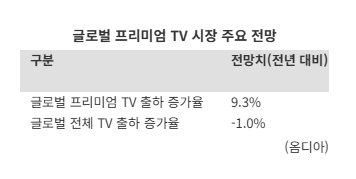
According to market research firm Omdia on the 13th, global shipments of premium TVs with an average selling price (ASP) of $1,000 or more are expected to rise 9.3% this year from the previous year. This contrasts with an expected 1.0% decline in overall global TV shipments over the same period, highlighting the premium market’s stronger growth. North American premium TV shipments are particularly expected to lead market growth, rising 21.9% next year from this year.
Rising prices for components, including memory, are driving the growing importance of premium TVs. According to market research firm TrendForce, a sharp rise in memory prices pushed DRAM’s share of TV component costs earlier this year from 2.5–3% to 6–7%. This is putting greater pressure on entry-level TVs, which have low margins. Omdia said that for a 65-inch liquid crystal display (LCD) TV with an ASP of $300, even a rise of just a few dollars in memory costs could erode profitability or make a price increase necessary.
Premium products, by contrast, have relatively higher selling prices and profit per unit, so the same increase in component prices has less impact on profitability, giving manufacturers more room to absorb the cost burden. With component supplies also constrained, major TV makers appear to be prioritizing premium models when allocating components to protect profitability.
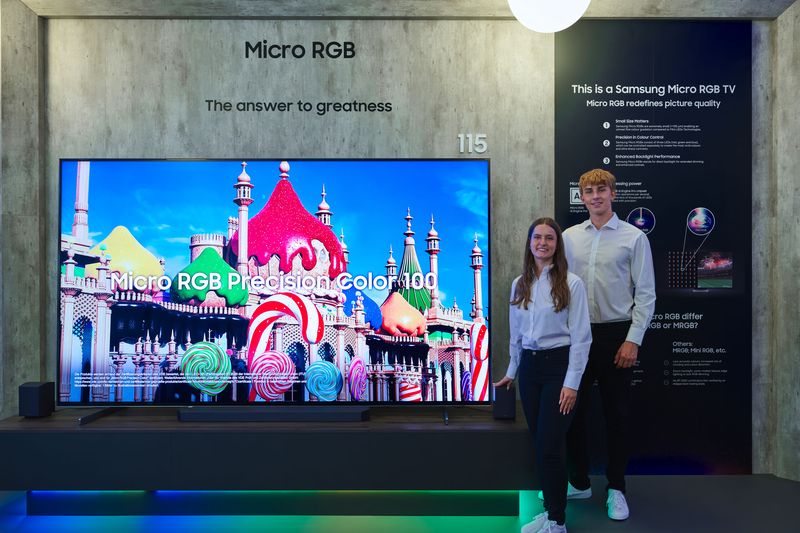
Samsung Electronics Co., Ltd. and LG Electronics are also expanding their premium product lines. Samsung Electronics Co., Ltd. is strengthening its high-end lineup, focusing on OLED and Neo QLED models as well as the Micro RGB TV it first unveiled last year. The Micro RGB TV has received favorable reviews for its precise RGB light control, color reproduction and local dimming technology. The 2026 Neo QLED 4K and OLED models are also highlighting AI-based picture quality enhancements and gaming performance as differentiating features. LG Electronics is likewise stepping up its push into the premium market with OLED evo and LG Micro RGB evo.
An industry official said, “Rising memory prices are a burden for domestic TV makers as well, but Samsung Electronics Co., Ltd. and LG Electronics have relatively more room to absorb cost pressures than Chinese companies focused on entry-level models, given their higher share of premium products. As Chinese companies step up their volume offensive, a market strategy centered on high-value products could become an important competitive advantage in protecting profitability.”
[email protected] Lim Su-bin Reporter