"Doing Something Else After Ukraine Peace Talks?" Trump's Envoy Who Met Putin Held Secret Talks on a 'Tens-of-Trillions-of-Won Oil Mega-Deal'
- Input
- 2026-10-03 23:28:18
- Updated
- 2026-10-03 23:28:18
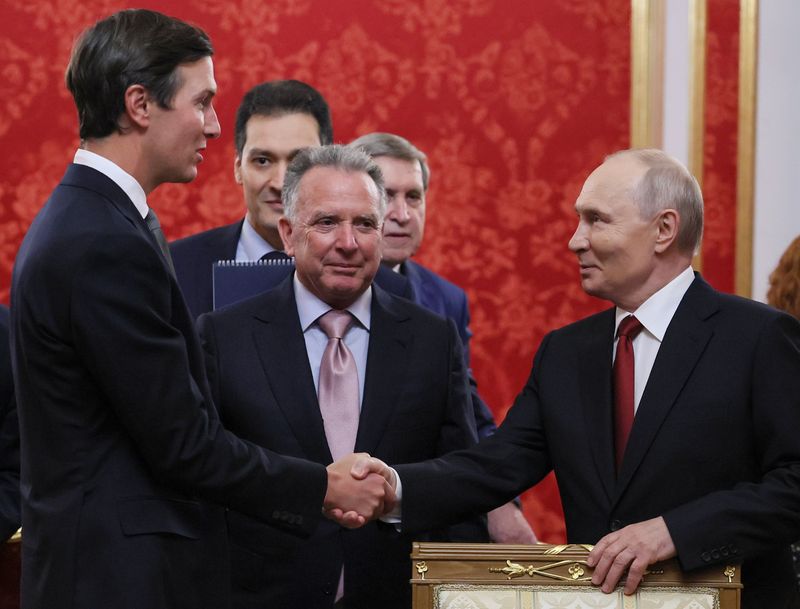
[Financial News] The administration of U.S. President Donald Trump and Russia have been found to have secretly discussed the sale of hundreds of billions of dollars' worth of overseas assets owned by LUKOIL, Russia's largest privately owned oil company, during negotiations to end the war in Ukraine. The leading U.S. acquisition candidates include numerous private business partners of Trump's special envoys, raising serious conflict-of-interest concerns.
■ Russian Oil Assets Emerge at Peace Talks... Putin Proposes, "Let's Do Business with the U.S. Again"
According to The New York Times and other foreign media outlets on the 3rd (local time), Russian President Vladimir Putin met with Steve Witkoff, Trump's Middle East envoy, and his eldest son-in-law, Jared Kushner, at the Kremlin on the 5th of last month and asked them to help complete the sale of LUKOIL's overseas assets.
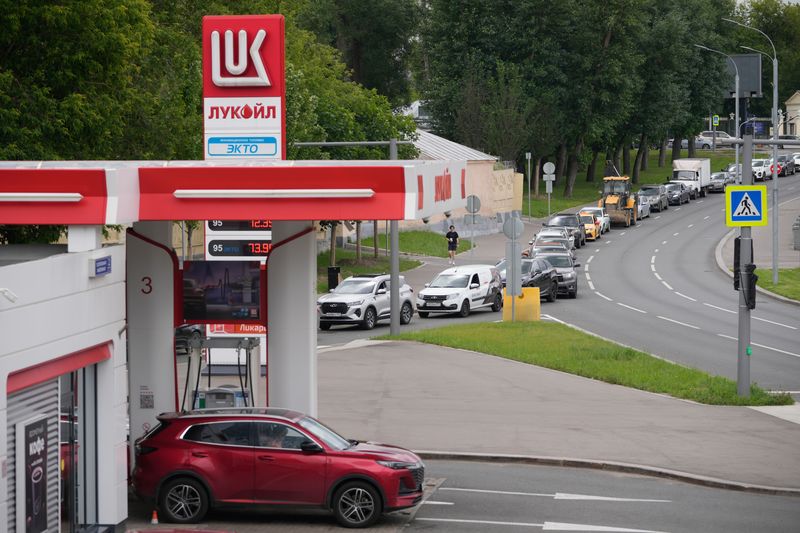
LUKOIL, Russia's largest privately owned oil refiner, put its extensive overseas assets—including refineries, oil fields and gas stations around the world—up for sale after the value of its assets plunged when it was added to the U.S. sanctions list last October. Putin reportedly proposed the deal as "an opportunity to prove that Russia can do business with the United States again." The U.S. envoys also reportedly expressed their willingness to actively pursue it, arguing that the deal could improve relations with the Kremlin and help stabilize global energy prices.
■ From Dodgers Owner to Trump Family Partners... Envoys Mobilize Their 'Personal Connections'
The issue is the makeup of the U.S.-led consortium seeking to acquire assets worth tens of trillions of won. The leading potential buyer is currently an investor group led by U.S. billionaire Todd Boehly, co-owner of Major League Baseball's Los Angeles Dodgers. Boehly is a major donor who has contributed large sums to Trump-aligned political fundraising groups, including MAGA.
A large amount of Middle Eastern capital linked to the envoys has also joined the effort. The wealthy Qatari Alkhayat brothers are key partners in a luxury resort development project in Albania being pursued by Jared Kushner and his wife, Ivanka Trump. Another participant, a fund affiliated with United Arab Emirates national security adviser Sheikh Tahnoun bin Zayed Al Nahyan, owns roughly half of World Liberty Financial, a cryptocurrency company jointly founded by the Trump family and the Witkoff family, and is also the largest investor in Kushner's private equity fund.
■ "Foreign Policy Is Entangled with Private Self-Interest"... Facing Fierce Criticism in the U.S.
For the acquisition of LUKOIL's assets to go through, the lifting of U.S. sanctions against Russia and approval by the U.S. Department of the Treasury are essential. The moment the U.S. government approves the deal and lifts the sanctions, the value of overseas oil fields and refineries being sold at bargain prices will soar.
The New York Times pointed out that, although there is no evidence that the envoys themselves would directly acquire stakes, their privately connected business partners would reap enormous profits if the deal goes through. Hui Chen, an ethics adviser and former prosecutor with the United States Department of Justice (DOJ), harshly criticized the arrangement, saying, "This is a dangerous sign of the kind of collusion that can occur when presidential allies and family members occupy positions responsible for national foreign policy." Chen added, "It shows that government policy decisions could be swayed by private interests."
[email protected] Park Ji-hyun Reporter