Director Kwak Kyung-taek Says, "This Film Is Too Good to Waste" ... Japanese Adaptation of Siblings Jung Yi-rang and Jung Ha-yong's Film 'Anemone: A Fairy Tale for No Kids' in Production
- Input
- 2026-10-05 07:00:00
- Updated
- 2026-10-05 07:00:00
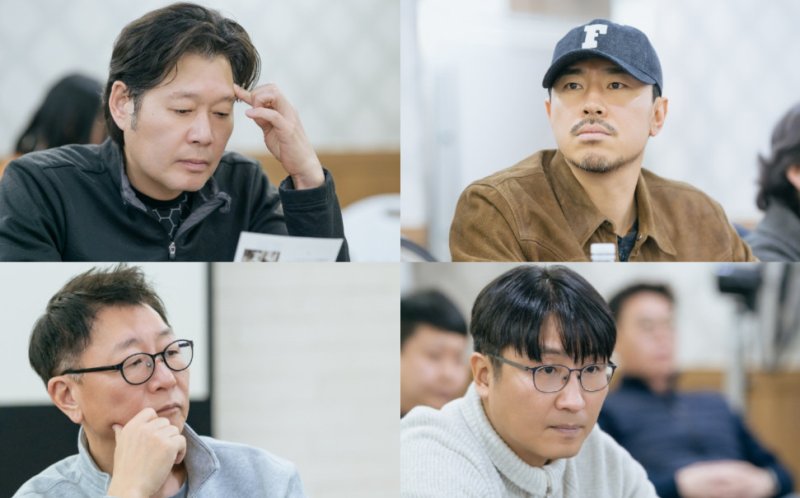
[Financial News] Director Kwak Kyung-taek, who directed 'Friend,' 'The Classified File' and 'Firefighters' and participated in the production and screenplay of 'Dark Figure of Crime,' has expanded his production activities to Japan. He remade the South Korean low-budget film 'Anemone: A Fairy Tale for No Kids' with Japanese actors and a joint South Korean-Japanese crew.
The black comedy 'Anemone: A Fairy Tale for No Kids,' directed by Jung Ha-yong and starring Jung Yi-rang, follows Yong-ja, the owner of a winning lottery ticket, as she searches for the missing first-prize ticket. Fewer than 10,000 people saw it when it was released in theaters in 2024, but after its release on Netflix, it rose to No. 1 in the South Korean film rankings. The film also earned recognition at international genre festivals, winning the Grand Prize and the Cinega Award at the Yubari International Fantastic Film Festival, as well as the Best Director award at the Thai International Film Festival.
Netflix Revival Draws Attention ... "A Film Too Good to Waste"
Kwak did not see the film in theaters either. Although an acquaintance initially urged him to give it a try, he showed little interest at first. His view changed after the film ranked No. 1 for several days following its release on Netflix. In a recent interview with Financial News, he said, "I watched it because I found the situation intriguing, and it was really entertaining. I thought, 'This film is too good to waste.'"
The story clearly had power, but remaking the same film in South Korea would have been difficult. Kwak turned his attention to Japan. He recalled, "Some films cannot move forward even after years of hard work, but with this project, things kept falling into place one by one."
As a co-producer, he entrusted the Japanese version to the original director, Jung Ha-yong. Filming began less than a year after the project started, but there were obstacles. The first hurdle was casting. In Japan, it was difficult for a company without sufficient name recognition or production experience to get a script in front of a well-known actor.
Kwak personally met with representatives for lead actress Noriko Eguchi to secure her casting. He explained, "I directly explained that I was producing the film and what kind of movie we wanted to make."
He also invited Noriko Eguchi's representatives to South Korea and arranged a dinner with Jung Ha-yong. After explaining the production team's intentions and the film's direction, he built trust and secured her participation. Once Eguchi joined the project, casting the other actors proceeded more quickly.
Key personnel in cinematography, lighting and directing came from South Korea, while Japanese crew members handled costumes, makeup, art direction and production operations.
The two countries' production methods differed considerably. In South Korea, even low-budget films often use multiple cameras or edit scenes on set so they can be reviewed immediately. In Japan, productions often rely on a single camera, and the role of an on-set editor was unfamiliar. By introducing South Korea's on-set editing system, the team could immediately review and improve filmed scenes. The South Korean crew's experience helped raise both the film's quality and the shooting speed without increasing the budget.
The workplace culture was also clearly different. Japanese production staff placed great importance on giving each crew member a private room. Kwak recalled, "No matter how much we tried to cut costs, we had to provide Japanese staff members with their own rooms. It was a culture that clearly respected the boundary between work and private life."
The team also had to adjust how instructions were communicated on set. South Korean productions prioritize speed, and people may raise their voices when frustrated. Japanese staff members, however, reacted sensitively when directors or production staff spoke loudly.
"They Regard South Korean Content as a Cut Above" ... Exploring East Asian Co-productions
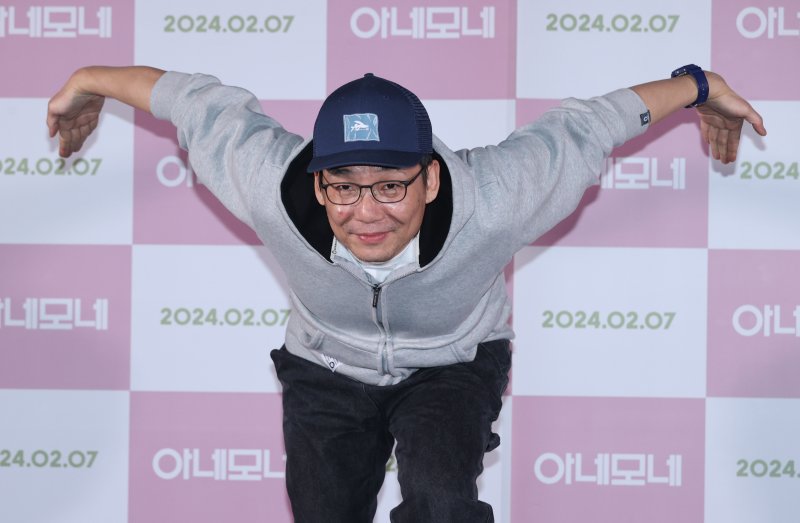
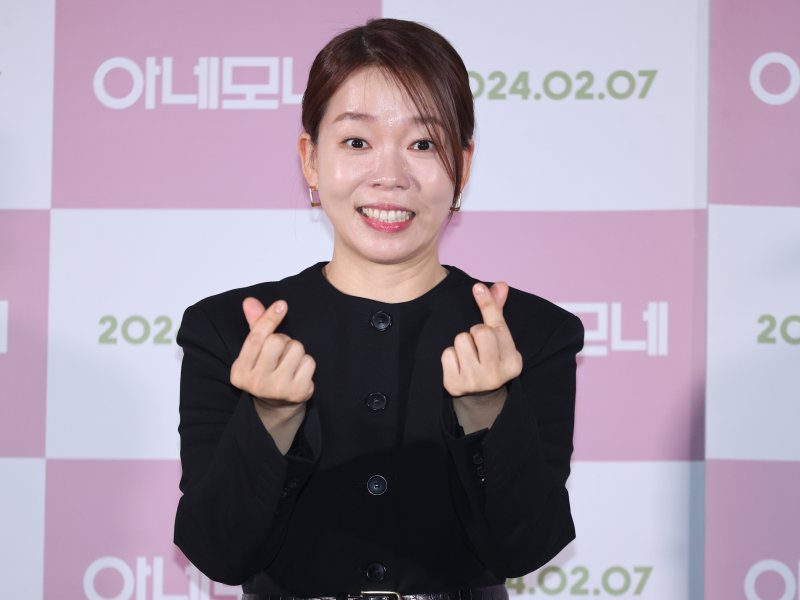
The Japanese version of 'Anemone: A Fairy Tale for No Kids' is targeting a local release next year. Plans are underway to screen it at approximately 150 theaters nationwide, with major Japanese theaters serving as a base.
Kwak explained that in South Korea, it is rare for a small film still in production to secure theaters well ahead of its release. He said, "In Japan, a company specializing in distributing low-budget films reviewed the script and cast before deciding to release it."
Amid the slump in South Korea's film industry, co-productions among Asian countries are drawing growing interest. Kwak believes a new path forward could be found by combining Japanese actors and market access, relatively lower production costs, and South Korea's directing and production experience. He emphasized the need to explore expanding collaboration across the East Asian market.
However, a co-production is not automatically a cheap or easy way to make a film. The team had to cover the high fees and labor costs of South Korean actors and crew members, while coordinating different production practices also required considerable time and effort.
'My Dad Is a Zombie,' co-directed by Kwak Kyung-taek and Kang Min-woo, premiered in the FantasCape section of the 30th Bucheon International Fantastic Film Festival. It is a human comedy about a bit-part actor who cannot stop performing as a zombie even after the camera stops rolling, all to protect his son's innocence.
[email protected] Shin Jin-ah Reporter