Commercial Land Left Unsold for 19 Years... LH's Unsold Land Totals 21.9 Trillion Won
- Input
- 2026-10-03 16:06:55
- Updated
- 2026-10-03 16:06:55
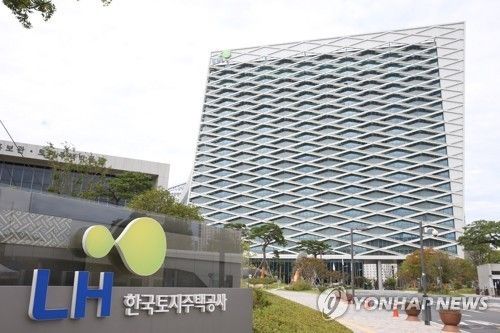
The amount of land held for business purposes by Korea Land and Housing Corporation (LH) that it has been unable to sell to private buyers has more than doubled over the past four years.
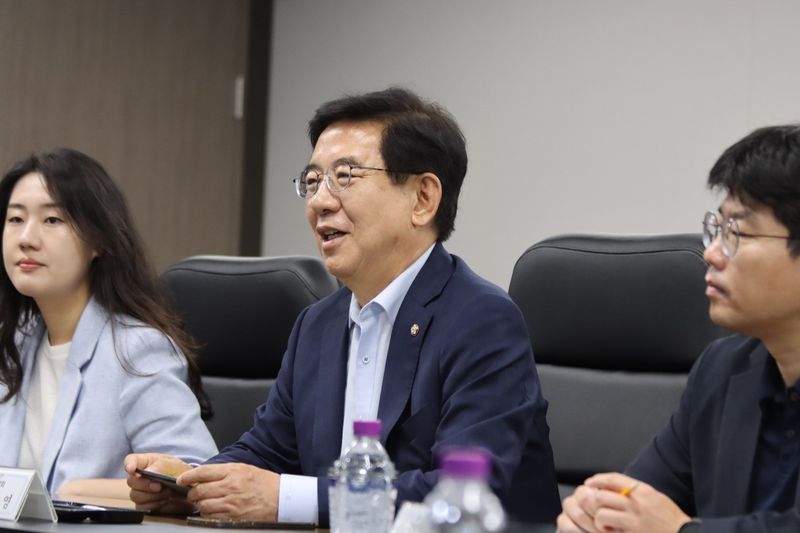
According to data submitted by LH to Jeong Il-young, a lawmaker of the Democratic Party of Korea who serves on the Land, Infrastructure and Transport Committee of the National Assembly, LH's unsold land totaled 21.8892 trillion won at the supply price as of July.
That figure was approximately 2.5 times higher than the 8.7074 trillion won recorded in 2022. The number of unsold lots also rose by about 2.6 times over the same period, from 2,340 to 6,189.
A significant amount of land had also remained without buyers for extended periods. Among the unsold properties, 23 lots had not been sold for 15 years or more, with a combined supply value of 775.2 billion won.
The oldest case is general commercial land in Pyeongtaek Cheongbuk. After supply began in May 2007, LH issued public sale notices 12 times, but the land had still failed to attract a buyer by July this year—19 years later.
Some land remained unsold for an extended period despite substantial reductions in the sale conditions. The Goyang Samsong general hospital site has not been sold to date, even though LH began offering it in 2009 and issued public sale notices 12 times.
The site is currently available for use, and it is being offered with benefits including five-year interest-free installments, deferred payment, and a land-return program. Nevertheless, it has still failed to find a buyer.
Jeong pointed out that, even as such long-term unsold land continues to accumulate, LH is pursuing the new purchase of 500 billion won worth of land in the Seoul metropolitan area, stockpiled to regulate supply and demand and suitable for multi-unit housing construction.
Jeong emphasized, "The fact that land already supplied has remained unsold for 10 years, and in some cases nearly 20 years, means we need to revisit whether our assessments of land demand and potential use were appropriate. We need to review land management across the board, from acquisition to supply, to prevent public funds from repeatedly being tied up in land that cannot be used for long periods."
[email protected] Choi Eun-sol Reporter