The British Museum Abandons Plans to Charge Foreign Visitors... A Question for Korea Ahead of "The First Paid Admission in 19 Years" [Park Ji-hyun's Art World]
- Input
- 2026-10-03 00:41:31
- Updated
- 2026-10-03 00:41:31
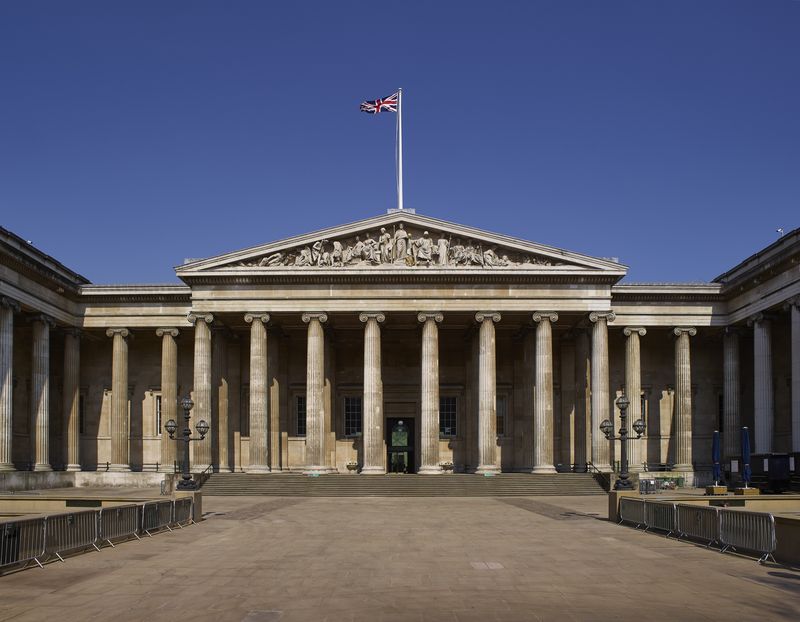
[Financial News] The British Museum, which has upheld a free-admission policy since opening in 1759, recently officially withdrew plans to charge foreign tourists and decided to preserve universal access permanently. The move is a striking departure from the trend of major tourist attractions and cultural facilities worldwide raising fees and introducing dual pricing to boost revenue. At the opposite end of this debate, South Korea is officially considering charging admission at the National Museum of Korea, which has been entirely free since 2008, and is preparing to announce a plan to reform admission fees at its royal palaces, which have remained unchanged for 21 years. The decision highlights the sharp intersection of the global cultural and arts sector's dilemma between "financial sustainability" and "universal public access."
■ "Museums Are Places That Illuminate the World"... Britain Chooses to Scrap Paid Admission
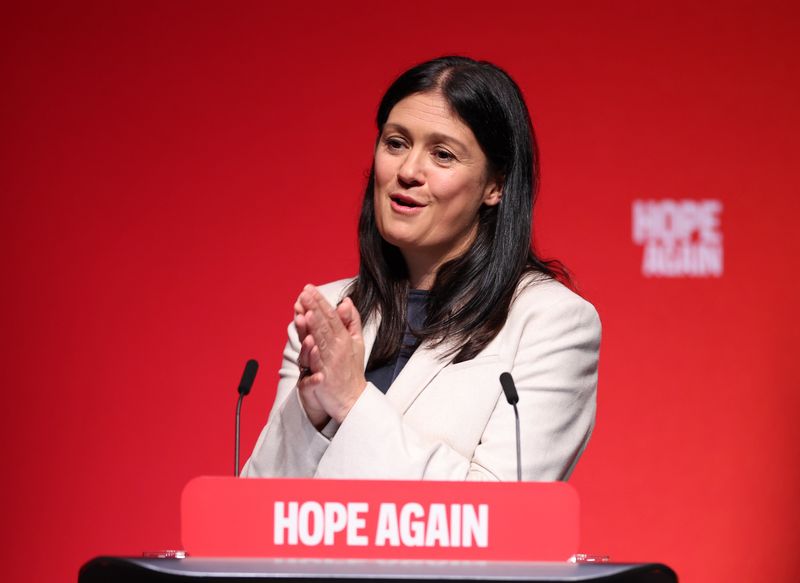
Major foreign media outlets, including the Financial Times (FT), reported on the 3rd that Lisa Nandy, secretary of state for the UK's Department for Culture, Media and Sport (DCMS), scrapped a review of admission fees for foreign tourists at national museums on the 29th of last month (local time), despite inflation and financial difficulties. She declared, "Our museums are places that illuminate the world and must remain open and free to everyone forever."
There had initially been strong calls in the United Kingdom to charge foreign visitors about £20 (approximately 34,000 won) to overcome reduced government support and deteriorating finances. However, the British government made the practical judgment that introducing fees would require checking visitors' identities one by one to keep admission free for residents, creating an administrative burden that could discourage even Britons from visiting and hurt the country's tourism industry as a whole. It placed greater value on the long-term economic and cultural benefits generated by easy access for everyone than on immediate admission revenue.
■ Domestic Visitors Say "Expensive," Foreign Visitors Say "Cheap"... The Paradox of Higher Admission Fees
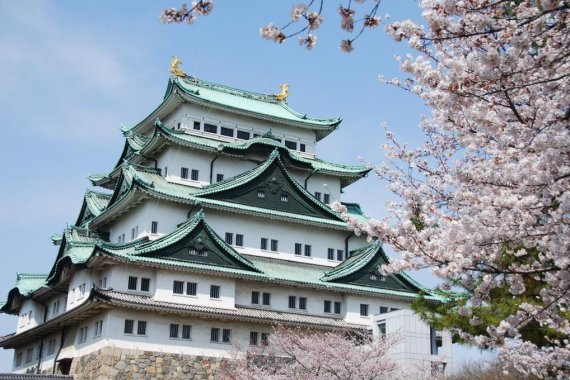
The British government's concerns are becoming a reality amid the global trend of rising admission fees. Japan is a prime example: citing sharply increased maintenance costs, it abruptly doubled the adult admission fee for the popular tourist attraction Nagoya Castle from 500 yen to 1,000 yen effective on the 1st. Local media reported on the 2nd that foreign tourists accepted the increase, saying, "It's worth seeing even if we have to pay 1,000 yen," while Japanese visitors complained, "It's too expensive when we can't even enter the keep." This illustrates the paradox that when facilities try to cover maintenance costs through higher admission fees, citizens' right to enjoy their own culture is threatened first. Himeji Castle, which previously introduced a dual-pricing system charging nonresident foreign visitors 2.5 times the domestic rate, is even pursuing a plan to charge foreign visitors as much as four times more in response to the record weakness of the yen and overtourism. Major European attractions, including the Louvre Museum and the Uffizi Gallery, are also raising admission fees substantially to cope with soaring maintenance costs.
There are clear reasons why cultural facilities in various countries are raising fees despite the backlash from visitors. A paper titled "The Real Cost of Free: Practices and Policies in Finnish Museums," published last year in the international academic journal "Museum Management and Curatorship" by Lara Corona, director of Italy's Rosas Museum and a Ph.D. holder from the International University of Catalonia in Spain, found that free-admission policies increased Finnish museums' reliance on government subsidies and weakened their long-term financial sustainability. Institutions without their own revenue models are inevitably vulnerable to external budget cuts.
■ Korean Palaces Trapped at the Price of "A Cup of Coffee," National Institutions at a Crossroads
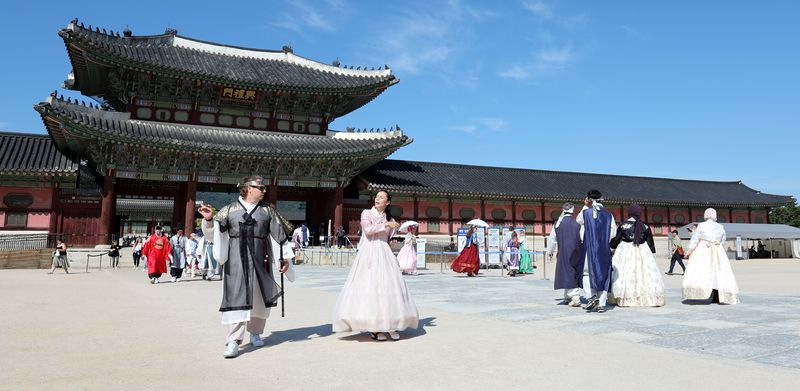
This dilemma directly mirrors South Korea's situation ahead of the announcement of a new admission-fee reform plan in November. More than 14.2 million people visited Seoul's four major palaces last year, an all-time high, yet their finances have worsened because the fee system has been frozen for 21 years. Adult admission to Gyeongbokgung Palace costs 3,000 won, only about half the 5,700-won price of a single Big Mac at McDonald's. Because roughly 70% of all visitors enter free of charge, management costs simply rise as crowds grow. The National Museum of Korea, which attracts 6.5 million visitors annually, has also begun considering paid admission after ending its policy of free permanent exhibitions, maintained for 19 years since free admission was introduced in 2008.
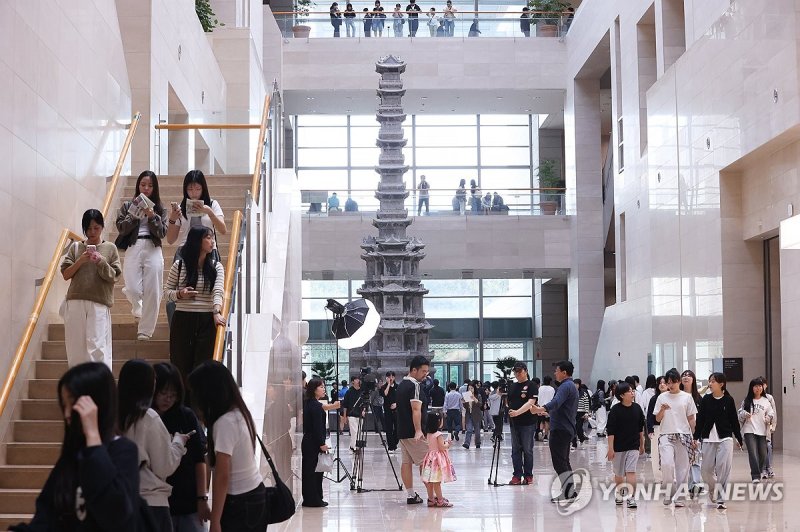
However, sharp disagreements remain over the size of any increase and the complicated exemption system, including whether free admission for visitors wearing hanbok should be maintained, making a difficult implementation process likely. As the contrasting reactions from Nagoya Castle visitors show, hasty fee adjustments could merely raise the barriers to entry for citizens. Britain's determination to choose "universal values" after painstaking deliberation, and South Korea's reality of financial hardship caused by an ultra-low fee structure left untouched for more than 20 years, raise questions about the true value of public cultural assets. The debate over paid admission is not simply about raising fees; it will test the philosophy of how to sustain public cultural assets over the long term.
[email protected] Park Ji-hyun Reporter