Trump's Pressure Pays Off... G7 to Release '100 Million Barrels' of Stockpiled Crude Oil and Diesel to Curb Soaring Fuel Prices
- Input
- 2026-10-03 00:04:12
- Updated
- 2026-10-03 00:04:12
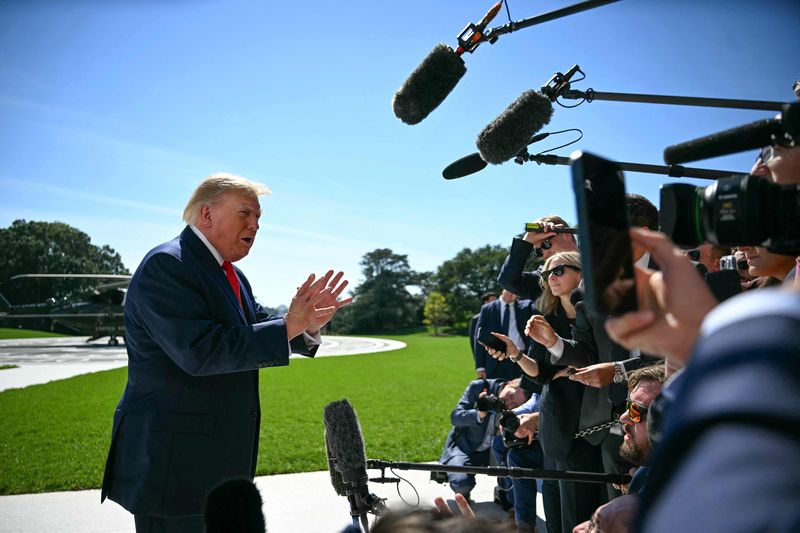
[Financial News] The Group of Seven (G7), including the United States, has agreed to release up to 100 million barrels of emergency stockpiled crude oil and diesel onto the market to stabilize soaring fuel prices. The agreement came after U.S. President Donald Trump strongly pressured Europe over the sharp rise in diesel prices at home ahead of the U.S. midterm elections in November.
According to the Associated Press and other outlets on the 2nd local time, French President Emmanuel Macron said France would release up to 100 million barrels of stockpiled fuel over the next four months under the coordination of the International Energy Agency (IEA). France had earlier proposed that European countries release 50 million barrels of stockpiled diesel, while IEA member states would release an additional 50 million barrels of crude oil, supplying a total of 100 million barrels to the market.
Immediately after the agreement, President Trump welcomed it on his social media platform Truth Social, saying, "Europe has just agreed to release the massive amount of diesel it has stockpiled," and adding, "This process will begin immediately." He continued, "Thank you for paying attention to this issue."
Just one day earlier, during a visit to Texas, he had responded to a reporter's question about whether he would ask Europe to release its reserves, saying, "We could do that. They have a fair amount of diesel." The United States reportedly applied pressure on multiple fronts, including considering restrictions on U.S. diesel exports if Europe refused to release its stockpiled diesel.
The November midterm elections, now just over a month away, are driving the Trump administration's urgent effort to mobilize even Europe's strategic reserves. Amid the fallout from the prolonged wars in Iran and Ukraine, the average diesel price in the United States has surged from $3.70 per gallon (about 3.78 liters) a year ago to roughly $6.37-$6.38 recently, or about 8,568 won.
The sharp rise in diesel prices is doing more than simply reflecting higher oil prices. It is driving up farmers' machinery costs during harvest season, freight transportation costs, and heating bills ahead of winter, intensifying inflationary pressure across the broader real economy. As a result, voter discontent with the governing Republican Party and the Trump administration is mounting.
Apparently mindful of the political crisis, President Trump sought to reassure the public that day, claiming, "All prices are coming down. We inherited the worst numbers from the Democratic Party, but we are bringing them down significantly," and, "Inflation is now barely a problem, and oil prices are much lower than they were under the Biden administration."
[email protected] Park Ji-hyun Reporter