A Solid 40 Hours on a Single Charge: Variable-Aperture iPhone 18 [IT Review]
- Input
- 2026-10-04 10:21:31
- Updated
- 2026-10-04 10:21:31
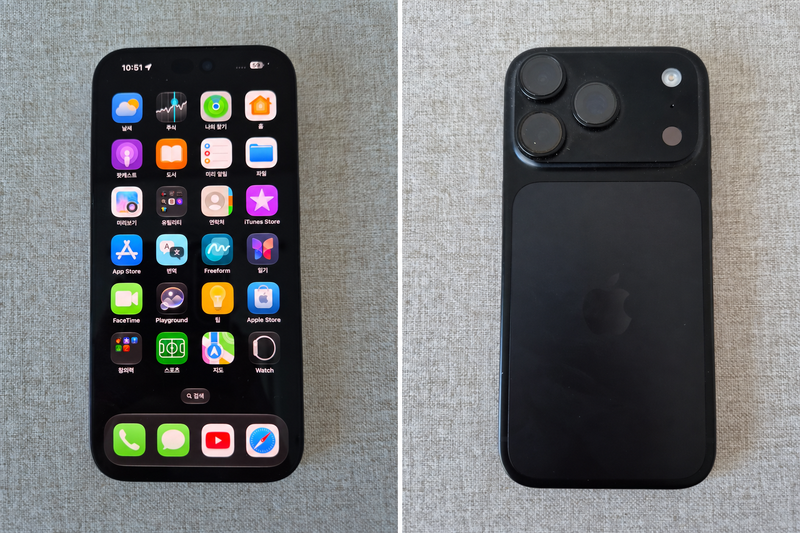

A battery that reduces charging hassles and a variety of photography effects
The iPhone 18 Pro felt quite heavy when I first picked it up on the afternoon of the 21st of last month. It may feel burdensome for those who prefer lightweight smartphones.
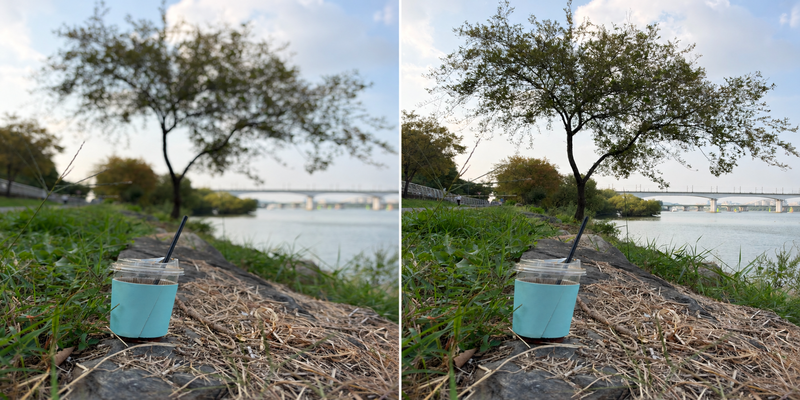
The black finish looks understated and sophisticated. The Dynamic Island at the top of the display is about 25% smaller than on the previous model, making the screen feel more spacious. The most noticeable feature was the camera's variable aperture. The 48-megapixel main camera's aperture can be adjusted across four levels, from f/1.48 to f/4.0, changing the amount of incoming light and the depth of field. When I manually stopped the aperture down to f/4.0, not only the coffee cup photographed at the Hangang River but also the background behind it appeared sharper. However, the difference was not especially dramatic.
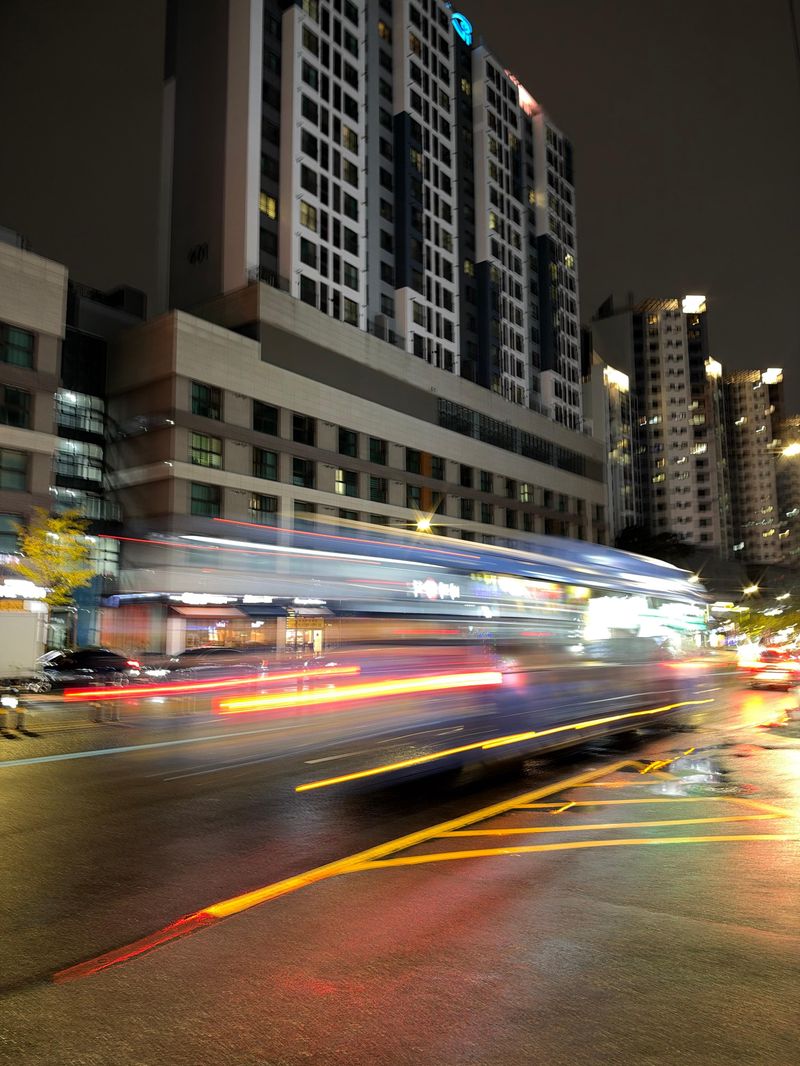
At night, stopping down the aperture created a 'starburst' effect, with light from sources such as streetlamps extending in a star shape. The shutter speed and white balance can also be adjusted manually, making it easier to reflect the photographer's intent. This is a useful change for people who use product photos for work or enjoy taking pictures.
It was also convenient that Siri could be used while taking photos. With the camera open, I could ask about the weather and other matters, reducing the need to stop shooting and open another app.
The battery was the most satisfying aspect. Apple cites improved power efficiency in the A20 Pro chip and changes to the battery's capacity and structure as the reasons for the improved battery performance. In everyday use, I also felt less need to check the remaining battery and charge the phone every time I went out.
Charging was fast as well. When I connected a 65W charger to a depleted iPhone 18 Pro, the battery reached 54% in 30 minutes. It took 46 minutes to reach 80% and 74 minutes to fully charge. In other words, charging for about 30 minutes before going out can fill the battery to more than half. Battery life and charging speed may vary depending on settings, usage and the charging environment.
Heat was not particularly bothersome either, thanks to a vapor chamber that disperses internal heat and is three times larger than the one in the previous model. Even after using FaceTime for more than an hour, the device merely felt warm in my hand.
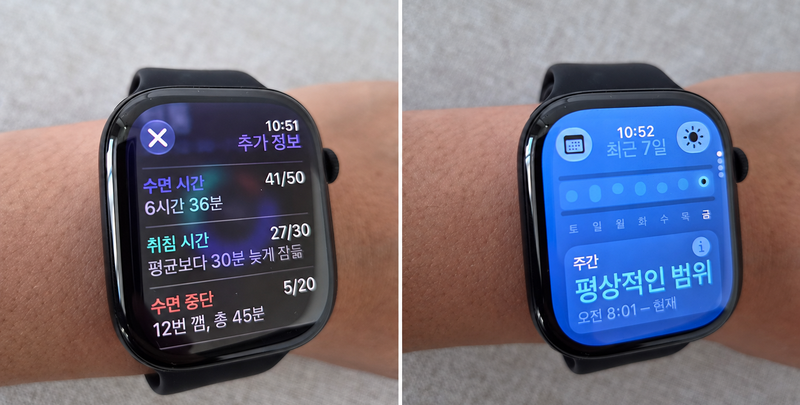
A watch that lasts two days and tracks reliably even when worn loosely
The Apple Watch 12 also delivered satisfying battery life. In my daily environment, it typically lasted more than 48 hours on a single charge, including time spent asleep.
The sensor area that touches the wrist is larger than on the previous model, so there were no recognition errors even when I wore the band slightly loose. For someone not accustomed to smartwatches, it was convenient not to have to tighten the band too much.
The aluminum model uses Ceramic Shield 2 instead of the previous Ion-X glass. Apple says it is 60% more durable than conventional glass. Although I did not conduct impact or scratch tests myself, the improved durability was welcome for a device worn on the wrist every day.
The sleep app, which I tried for the first time, was more useful than expected. Although I usually slept for long periods, I often felt tired, and the app showed me for the first time that I woke up more than 10 times during the night. The vital signs app also helped me monitor my everyday physical condition by showing my heart rate, respiratory rate and wrist temperature together.
AirPods that reduce subway noise, but leave some room for improvement in comfort and volume control
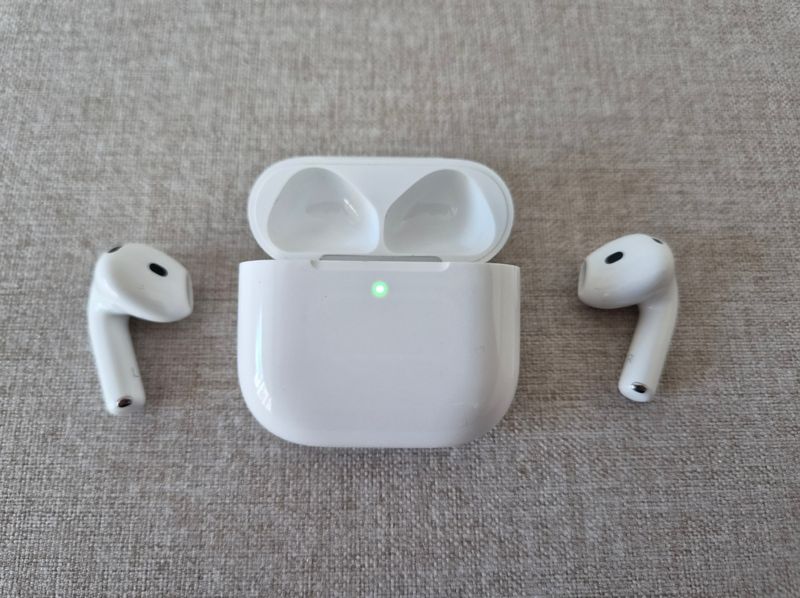
I used the AirPods 5 with a wireless charging case. Priced at 229,000 won, they are 40,000 won cheaper than the launch price of the previous AirPods 4 model with active noise cancellation. Their advantage was that they offered noise cancellation and real-time translation while reducing the price burden.
I noticed the effect of active noise cancellation (ANC) on Seoul Subway Line 5, notorious for its noise. Once the feature was turned on, the loud train noise was significantly reduced. Apple says the earbuds remove up to 50% more noise than the previous model. Despite their open-ear design, which does not seal the ear canal with silicone tips, their noise cancellation performance was impressive. However, because the noise cancellation was so strong, my ears felt somewhat clogged when the earbuds moved or I adjusted their position.
There were also some disappointments in terms of controls and fit. When I swiped up and down on the stem to adjust the volume, it was difficult to figure out where to place my finger, and the controls often did not respond as intended. Because of the open-ear design, the earbuds sometimes sat loosely in my ears or fell out.
Real-time voice translation was another strength. The feature uses an Apple Intelligence model running on the iPhone to translate what the other person says and play the result through the earbuds. When I tested it with an acquaintance proficient in Chinese, I could generally understand the meaning even when the pronunciation was not perfectly accurate. I could understand roughly 70% of the conversation, suggesting that the feature could help with basic communication while traveling abroad.
[email protected] Yoon Hong-jip Reporter