HD Hyundai Heavy Industries' tentative wage-and-collective agreement rejected... Could talks drag on through year-end?
- Input
- 2026-10-02 19:07:18
- Updated
- 2026-10-02 19:07:18
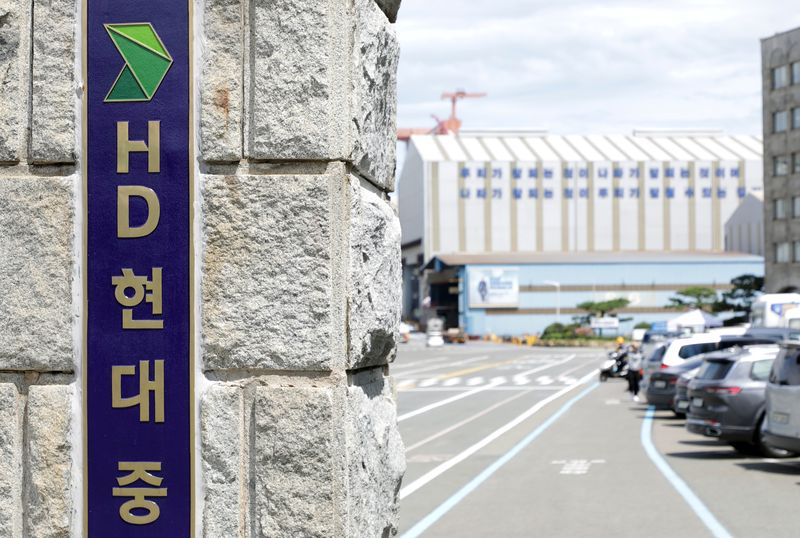
[Financial News] HD Hyundai Heavy Industries' tentative wage-and-collective agreement was rejected in a union vote on the 2nd. The first tentative agreement was also rejected last year, but the second proposal was approved after two months of negotiations. This has raised concerns that talks could drag on through the end of the year.
The Hyundai Heavy Industries branch of the Korean Metal Workers' Union put the tentative wage-and-collective agreement reached on the 30th to a yes-or-no vote that day, but it was rejected. As a result, labor and management will resume negotiations to reach a second tentative agreement.
The first tentative agreement centered on a 120,000-won increase in base pay, including a 50,000-won seniority-based raise. The increase was 10,000 won larger than management's proposal presented just before the union declared the negotiations collapsed. The package included an 11 million-won lump-sum payment, including 1 million won in gift certificates, 200% of agreed wages, and a performance bonus at year-end. The tentative agreement would provide 40.56 million won per union member, more than 10 million won higher than last year. Despite this, it was rejected.
The first tentative agreement was also rejected last year. Negotiations continued for two months, and workers even staged an all-out strike. If the second round of talks also encounters difficulties, it could continue through the end of the year. The planned all-out strike, which was withdrawn after the tentative agreement was reached, could also resurface. Hanwha Ocean is still engaged in labor-management negotiations, raising the possibility that a joint strike organized by the Shipbuilding Industry Union Alliance could reemerge.
There are also predictions that the second round of negotiations will not be as protracted as last year's. Unlike last year, when the rejection rate exceeded 60%, the rate was only in the low 50% range this time. In addition, only intermittent partial strikes took place before the first tentative agreement was reached, leading to an analysis that the intensity of the labor action is not as strong as it was the previous year.
[email protected] Kim Yun-ho Reporter