Trump-Promoted Alaska LNG Project Seeking South Korean Investment Costs Twice as Much as Gulf of Mexico Projects
- Input
- 2026-10-02 11:50:31
- Updated
- 2026-10-02 11:50:31
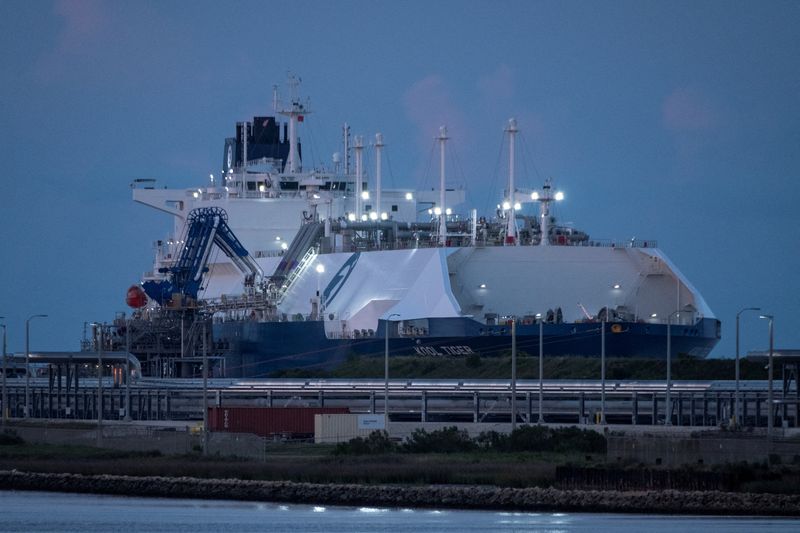
[Financial News] U.S. President Donald Trump is seeking to attract $54 billion (approximately 70 trillion won) in investment from South Korea for the Alaska LNG Project. The export project, which has an annual capacity of 20 million tons, is drawing renewed attention because its construction costs are more than twice those of plants along the U.S. Gulf of Mexico (Gulf of America) coast.
Trump unveiled the plan on the 30th as part of a South Korean investment package worth a total of $200 billion. The South Korean government immediately adopted a cautious stance, saying that no decision had yet been made on investing in the Alaska LNG Project and that it would first assess the project's commercial viability.
Jason Feer, director of corporate information at energy consulting firm Poten & Partners, noted, "The key question is whether Asian buyers are willing to pay a substantial premium in exchange for energy security, but so far, it is difficult to find any signs of that."
According to major developer Glenfarne Group, the total cost of the Alaska LNG Project is estimated at $44.5 billion to $54.5 billion. That translates to approximately $2.2 billion to $2.7 billion per 1 million tons of annual production capacity, by far the highest level among U.S. LNG export projects proposed to date.
By contrast, major LNG projects along the U.S. Gulf of Mexico coast that were approved after Russia's invasion of Ukraine are being built at an average cost of less than $1 billion per mtpa. Cheniere Energy's Corpus Christi Stage 3 expansion project cost approximately $760 million per mtpa, while Venture Global's Plaquemines LNG and NextDecade's Rio Grande LNG are also priced at around $1 billion per mtpa.
Gulf of Mexico terminals can directly use the abundant shale-gas pipeline networks in Texas and Louisiana. By contrast, the Alaska LNG Project would require the construction of a new 800-mile (approximately 1,287-kilometer) gas pipeline from the North Slope in northern Alaska to Nikiski, the export port. The pipeline alone is estimated to cost $13.2 billion to $16.9 billion. Including the North Slope gas processing facilities, estimated at $7.7 billion to $9.2 billion, and the liquefaction terminal, projected to cost $23.6 billion to $28.4 billion, would bring the total budget to a massive level.
Alex Munton, a director at Rapidan Energy Group, analyzed that "the project may have difficulty meeting the commercial standards required to attract investment."
Supporters, however, emphasize Alaska's geographic advantages. Their argument is that vessels departing from Alaska can reach major Asian importers such as South Korea, Japan and Taiwan much faster than those departing from the Gulf of Mexico, thereby reducing shipping costs. Jack Wixel, a researcher at East Daley Analytics, said, "Asian countries may be willing to pay a premium for a stable gas supply," but added, "Canadian projects in the same region may nevertheless have a competitive advantage over Alaska."
[email protected] Yoon Jae-jun Reporter