Ukraine Uses Domestically Developed Ballistic Missile in Combat for First Time
- Input
- 2026-10-02 10:51:54
- Updated
- 2026-10-02 10:51:54
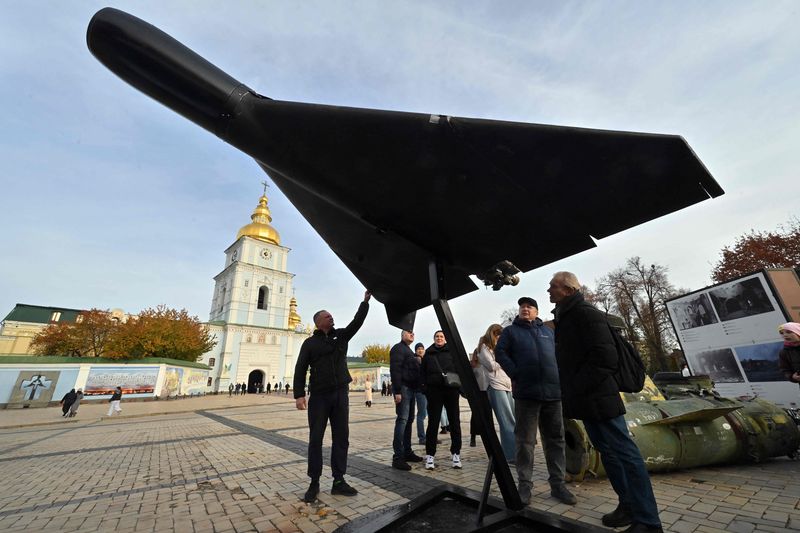
[Financial News] Ukraine has launched a domestically developed ballistic missile in combat for the first time. The move demonstrates a breakthrough in the country's defense industry and places Ukraine among the small number of countries capable of producing ballistic missiles domestically.
According to major foreign and local media outlets on the first (local time), Ukrainian President Volodymyr Zelenskyy announced via social media that the domestically produced ballistic missile had been used in combat for the first time, saying, "The next step is mass production." Iryna Terekh, CEO of Fire Point, which manufactured the missile, also confirmed, "A domestically produced ballistic missile developed in record time amid intense fighting has been deployed on the battlefield."
The ballistic missile deployed this time was the FP-7, developed by Fire Point, and it reportedly struck Russian military targets in occupied Ukrainian territory. According to Fire Point, the FP-7 can reach a maximum altitude of 37 miles (about 60 km) and has a range of about 155 miles (about 250 km). Its warhead weighs more than 440 pounds (about 200 kg), giving it more than three times the explosive power of the company's existing long-range drone, the FP-1.
Ballistic missiles are extremely difficult to intercept because they rise to high altitudes inside and outside the atmosphere after launch before descending at speeds of several miles per second. With far greater destructive power than the long-range drones Ukraine has mainly used, they are expected to become a key capability for destroying fortified Russian positions, bridges and major facilities that have been difficult to hit with existing drones.
Experts described the launch as an encouraging achievement that demonstrates the technological capabilities of Ukraine's defense industry. They also noted that substantial production capacity will be necessary to bring about a meaningful change on the battlefield. Michael Kofman, a senior fellow at the Carnegie Endowment for International Peace in Washington, said, "This is a positive development, but the missile's precision and the pace of mass production will determine its future success or failure."
Only around 10 countries, including the United States, China, France, Russia and Iran, currently produce ballistic missiles themselves, as doing so requires precision-guidance systems and materials capable of withstanding extreme frictional heat.
Ukraine's defense industry has achieved world-class innovation in drones, signal-jamming equipment, self-propelled artillery and cruise missiles such as Neptune and Flamingo. However, shipments remain insufficient because of budget constraints and limited production facilities. Another domestic ballistic missile development program has also faced difficulties due to a lack of funding and other factors.
[email protected] Yoon Jae-jun Reporter