Seong-Ho Jeong Launches Pointed Criticism at Hardliners for Labeling Reform Allies "Anti-Reform"
- Input
- 2026-10-02 10:44:48
- Updated
- 2026-10-02 10:44:48
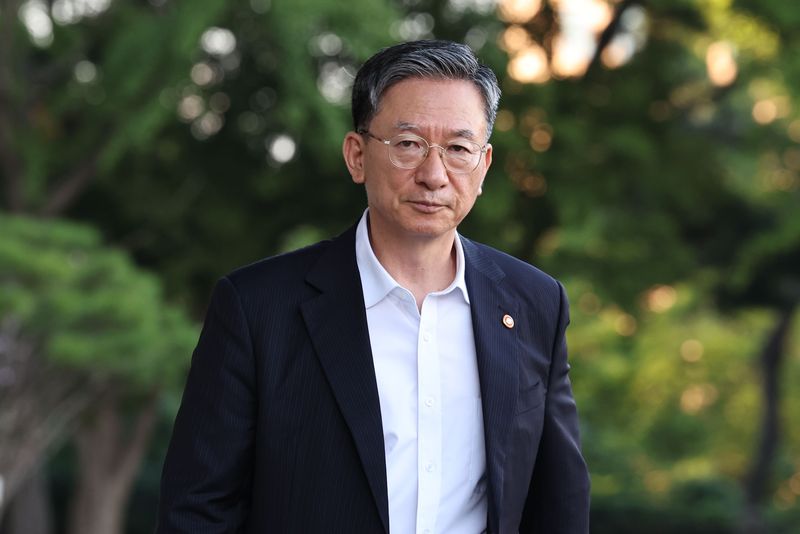
In a post on social media that day, Jeong said, "Reform colleagues who shared the same goal but differed only in their methods, along with reasonable experts and citizens, were indiscriminately branded with the violent labels 'pro-prosecution,' 'prosecutorialist,' and 'anti-reform.'" He added, "Normal debate lost its place, while arguments gained traction that went beyond dismantling politically motivated prosecutors and denied even the original function of the Prosecution Service."
He said, "There is a painful criticism that, under the banner of 'clear-cut and strong reform,' even institutions considered necessary for protecting socially vulnerable people and responding to crime—despite having nothing to do with the wrongful conduct of some political prosecutors—were eliminated." He pointed out, "More regrettably, many of those now taking the lead in questioning and criticizing the president's and the government's commitment to reform are people who previously advanced similar or identical arguments."
Jeong said, "Now, leaving all those concerns and regrets behind, the new system has been placed under the public's sober scrutiny." He added, "It will not take very long for it to become clear which arguments were correct." The remarks were interpreted as pointing out that the new criminal justice system led by prosecution-reform hardliners has many gaps.
Jeong urged, "Rather than blaming anyone, we need an open-minded approach that swiftly corrects and improves the system when side effects and problems arise." He added, "The government and the National Assembly must never forget that the purpose of prosecution reform is ultimately to strengthen the nation's ability to respond to crime and protect the people's basic rights through checks and balances among institutions."
He continued, "Since the government is responsible for implementing and managing the new criminal justice system, if the National Assembly has led the legislative process so far, the government must now take the initiative in making corrections and improvements." He said, "Rather than forcing the people to fit the slogans of reform, the government must provide leadership so that the reform serves the people's safety and convenience."
He also said, "Irreversible prosecution reform cannot be achieved simply by splitting the Prosecution Service into nanoscale pieces through legal technicalities and reducing the number of prosecutors." He added, "Only when a large majority of the public feels the effects of reform in daily life and gives it overwhelming support will it ultimately become a successful and irreversible reform."
[email protected] Kim Hyeong-gu Reporter