Extreme Rainfall Prompts Ulsan to Raise Disaster Prevention Performance Target to 101 mm per Hour
- Input
- 2026-10-05 09:00:00
- Updated
- 2026-10-05 09:00:00
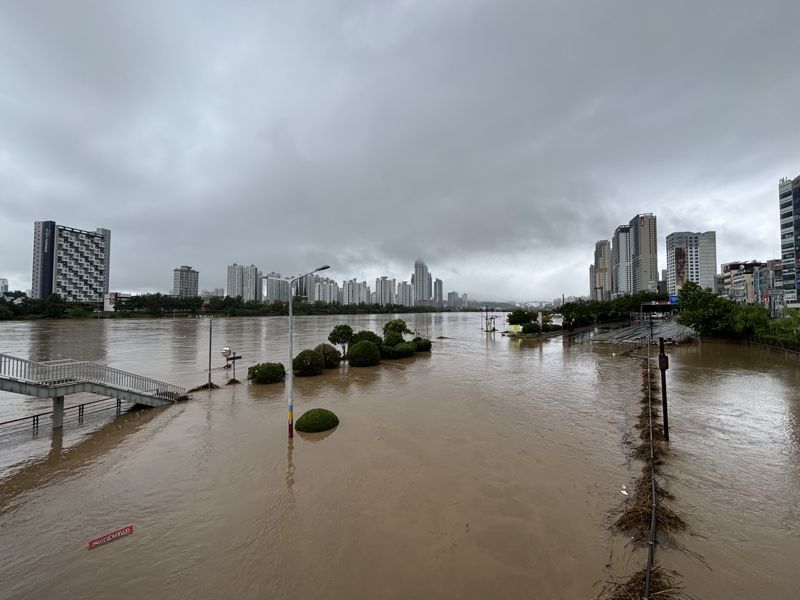
[Financial News, Ulsan—Choi Su-sang] As extreme rainfall becomes more frequent due to climate change, Ulsan Metropolitan City raised its disaster prevention performance targets to prevent urban flooding and officially announced the details on the 2nd.
The newly established disaster prevention performance targets for Ulsan Metropolitan City are 101 mm over one hour, 147 mm over two hours, and 178 mm over three hours. They apply to urban areas in Jung-gu, Nam-gu, Dong-gu, and Buk-gu.
Because Ulju County receives more rainfall than urban areas due to its mountainous terrain and farmland, it plans to establish and announce a separate target.
The revised disaster prevention performance targets will be used in disaster impact assessments for urban planning and development projects, projects in natural disaster risk improvement zones, comprehensive maintenance projects for areas vulnerable to storm and flood damage, and regional flood prevention projects. They will also serve as criteria for structural and nonstructural measures, including the construction, expansion, and enlargement of facilities; improvements to drainage systems; and the installation of stormwater runoff reduction facilities and high-level drainage channels. The facilities covered include sewer pipelines, detention basins, retention basins, small stream embankments, drainage pumping stations, stormwater pumping stations, sewer storage facilities, drainage channels, roadside ditches, stormwater runoff reduction facilities, and high-level drainage channels.
A city official said, "By raising the disaster prevention performance targets, we will strengthen the city's capacity to prevent urban flooding in response to the climate crisis and ensure that administrative resources can be focused on minimizing damage to citizens' property and preventing loss of life."
Meanwhile, the change follows MOIS's notification that the rainfall criteria for setting regional disaster prevention performance targets would be raised from a 30-year to a 50-year return period.
This means that heavier rainfall—of a magnitude expected once every 50 years—is now more likely to occur.
The criteria for Ulsan have risen rapidly amid sharp climate change. Ulsan Metropolitan City first established its own hourly rainfall standard in 2011, setting the one-hour target at 65 mm. In 2018, the targets were raised to 75 mm over one hour, 110 mm over two hours, and 135 mm over three hours. In 2023, they were reset to the previously announced standards of 86 mm over one hour, 123 mm over two hours, and 150 mm over three hours. Although the standard rainfall amounts had changed roughly every five years, they have now been revised after just three years.
Ulsan Metropolitan City explained that stricter standards were needed because extreme rainfall exceeding disaster prevention performance targets previously announced by local governments has occurred frequently amid recent climate change, while future increases in probable rainfall are also expected. It added that the latest revision also reflected the fact that Dong-gu recorded a maximum 60-minute rainfall of 99 mm on August 30, surpassing the previous record of 73.5 mm set on August 25, 2014.
[email protected] Choi Su-sang Reporter