Public Prosecution Office Launches After Eliminating 42 Investigation Departments... With 29 'Prosecution Departments'
- Input
- 2026-10-02 09:45:22
- Updated
- 2026-10-02 09:45:22
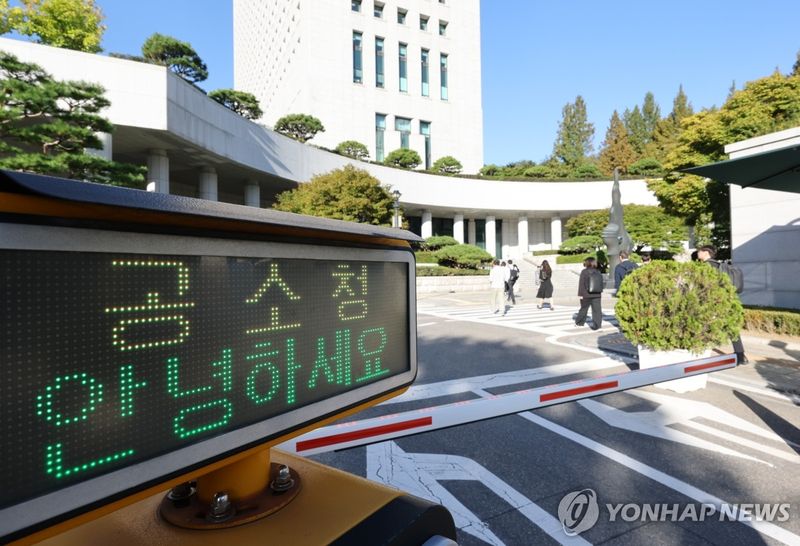
The Public Prosecution Office abolished the 42 cognizance and joint investigation departments at prosecution offices nationwide that had conducted direct investigations and converted their functions into 29 Serious Crime Prosecution Departments. It also consolidated and reorganized the headquarters' departments related to serious crimes. The changes are intended to support investigative agencies so that lawful evidence can be collected promptly in important and serious cases, while allowing the Public Prosecution Office to focus on bringing and maintaining prosecutions and enforcing sentences strictly based on expertise in each field.
The immediate priority is election-related cases. The Public Prosecution Office said it would work with relevant agencies to process cases swiftly and maintain prosecutions involving election offenders in the 9th Nationwide Simultaneous Local Elections, whose statute of limitations expires on December 3 this year, as well as other election cases subject to short statutes of limitations.
The trial function has been expanded. Prosecutors' positions in existing prosecutor offices were reassigned to departments handling trials, and the staffing quota for general personnel was also increased. Trial departments nationwide were converted into Trial and Litigation Departments or Trial and Recovery Departments. In addition to maintaining prosecutions, they will handle public-interest representation, state litigation, and the recovery of criminal proceeds.
The newly established Non-Referral Review Department is exclusively responsible for reviewing requests for reinvestigation of cases that police decided not to refer after conducting unlawful or inadequate investigations. It also reviews response measures for failures to comply with requests for supplementary investigations or inadequate compliance with them. The department establishes a system to assess, according to consistent standards, whether investigative agencies acted unlawfully or inadequately. It is intended to support the balanced exercise of the state's criminal justice authority and protect the rights and interests of victims and other persons involved in cases from undue infringement.
The Criminal Procedure Act of the Republic of Korea introduced a new system under which prosecutors can verify the substantive facts of a case without relying solely on the records. They may interview suspects directly or hear the opinions of persons involved in the case, experts, and judicial police officers. The system enables prosecutors to examine from multiple angles an investigative agency's application for an arrest warrant and the legality and propriety of its investigation. The Public Prosecution Office said it had established practical operating standards for the pre-application interview system for suspects before seeking an arrest warrant and the fact-verification system, and would begin using them immediately after its launch. Prosecutors will decide whether to prosecute and whether to seek an arrest warrant based on facts they have verified directly.
The reorganization also brought a sweeping overhaul of the regulations. The Public Prosecution Office comprehensively revised the 1,022 directives, regulations, instructions, and guidelines under the jurisdiction of the former Supreme Prosecutors' Office of the Republic of Korea (SPO). It abolished provisions related to direct investigations and revised the rules to reflect the changed duties of prosecutors.
The transfer of cases is also underway. Before the launch, the prosecution had worked on resolving unsolved cases and transferring cases in which prosecution had been suspended. After the launch, it plans to handle as many cases as possible within the 90-day grace period when doing so is unavoidable due to the nature of a case. Cases subject to transfer will then be sorted by investigative agency and handed over to the police, the Serious Crime Investigation Agency, and other investigative bodies.
An official with the Public Prosecution Office said, "As a human rights protection institution, we will continue striving to ensure that the human rights and interests of the people are thoroughly protected and that criminal justice is substantively realized by concentrating our accumulated professional capabilities on objective reviews of the legality and propriety of investigations, the fair exercise of prosecutorial authority, strict enforcement of sentences and recovery of criminal proceeds, and active performance of public-interest functions."
[email protected] Kim Dong-gyu Reporter