"I Didn't Know the Enforcement Operation Was Over" ... Migrant Worker Hiding on a Factory's Third Floor Falls to Death; NHRCK Recommends Institutional Improvements
- Input
- 2026-10-02 12:05:00
- Updated
- 2026-10-02 12:05:00
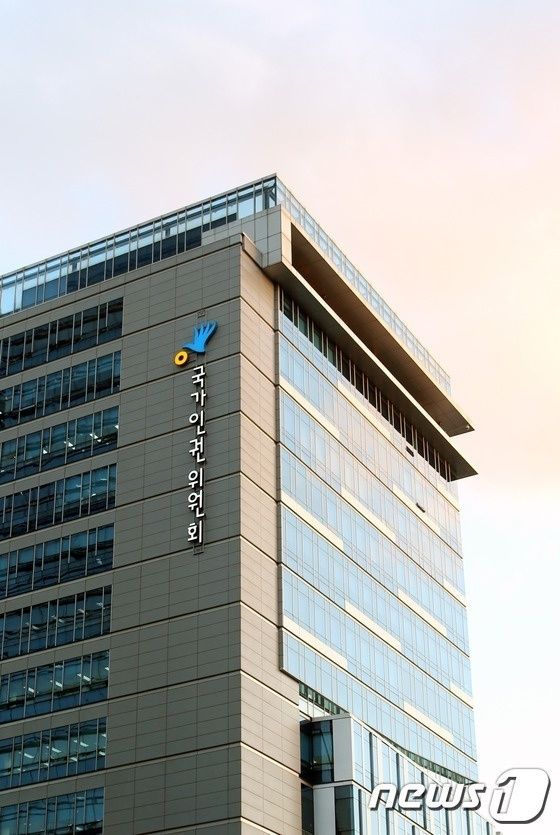
The NHRCK said on the 2nd that it had recommended to the Minister of Justice on September 9 that the system be improved to ensure the life and physical safety of people subject to immigration enforcement, as well as due process, during enforcement operations.
The case arose after a migrant worker identified as A, a Vietnamese national, hid in a storage area on the third floor of a factory to avoid an immigration enforcement operation and fell to his death. A's father filed a complaint with the NHRCK last December, alleging that the enforcement operation had violated his son's right to life.
The NHRCK's investigation found that A hid on the factory's third floor after the enforcement operation began and fell through a window between 6:27 p.m. and 6:30 p.m., after all enforcement officers had withdrawn. No evidence was found that the officers directly pursued A or used physical force against him.
Accordingly, the NHRCK dismissed the complaint alleging a violation of the right to life, saying it was difficult to recognize a direct causal relationship between the enforcement operation and A's death.
However, the commission found that the seven safety officers assigned to the site had been deployed to other duties before the search was completed. It recommended establishing roles and deployment criteria so that safety officers would remain separate from other duties and focus exclusively on safety management until the enforcement operation ended. It also called for procedures to notify not only the employer but also workers hiding at the workplace that the operation had ended.
The NHRCK also recommended considering the introduction of warrants for searches inside workplaces. It determined that entering a workplace to search for and verify the identities of foreign nationals and take them into custody has the nature of a compulsory measure that restricts the right to manage a facility and personal liberty. It therefore called for relevant laws and guidelines to be revised so that such actions could, in principle, be carried out under a warrant issued by a judge.
In addition, the commission recommended establishing procedures to inform people subject to enforcement of their right to remain silent and their right to assistance of counsel in a language they understand, and to confirm and record that the information had been provided. It also called for an equipment management system, including the replacement of outdated body cameras.
[email protected] Seo Ji-yoon Reporter