[Exclusive] Construction Costs Paid in Full, “Verification” Two Years Later? Another Loophole in the System
- Input
- 2026-10-04 15:12:24
- Updated
- 2026-10-04 15:12:24
Even that verification was ultimately conducted only after a recommendation from the autonomous district where the project is located. Experts say institutional measures are needed not only for post-project oversight but also to identify projects that have failed to apply for verification in advance.
■ Two Years Without Verification—and Occupancy Completed
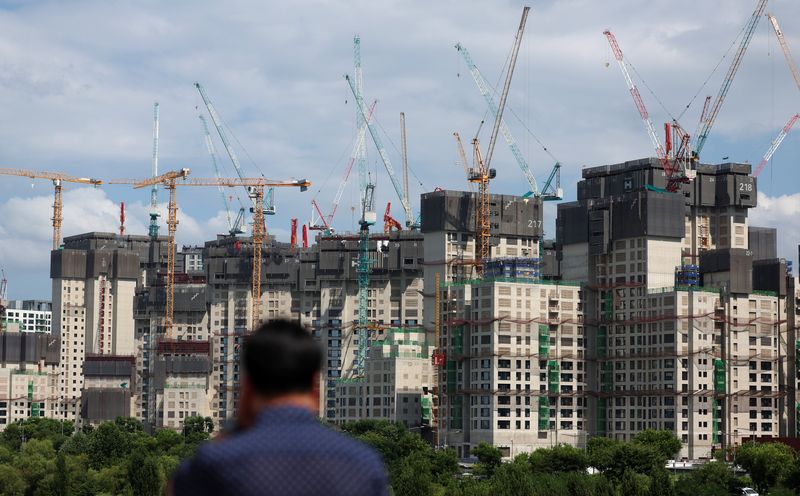
According to Financial News reporting on the 4th, the Bongcheon 4-1-2 Housing Redevelopment Maintenance Project Association increased its construction costs in 2024 without undergoing verification. It subsequently completed the amended contract, construction cost payments and collection of members’ contributions, and has only recently begun pursuing construction cost verification.
The construction costs rose from KRW 228.8 billion to KRW 280.8 billion, an increase of KRW 52 billion, or 22.7%. This met the verification requirement based on the rate of increase. Under current law, construction cost verification by KREB is mandatory if any one of the following conditions applies: a request is made by at least 20% of landowners or association members; construction costs rise by at least 10% or 5%, depending on when the contractor was selected; or construction costs increase by at least 3% after verification has been completed. In this case, no mechanism operated to correct the issue while the project proceeded through occupancy without verification.
The fact that verification had not been conducted was discovered when Gwanak District, the competent autonomous district, checked the matter before approving an amendment to the management and disposal plan. The check at the approval stage was effectively the only oversight mechanism.
The problem is that there is currently no institutional mechanism to identify and manage project sites subject to verification when they do not apply for it themselves. Analysts say measures are needed to manage such cases, especially after a project was found to have proceeded for a considerable period without construction cost verification.
KREB said, "A bill containing provisions for post-project oversight has currently been introduced." However, the bill remains under review by the relevant committee, and many procedures remain before it can actually be passed.
■ Late Verification: “What Meaning Does It Have?”
An even bigger problem is that it remains unclear whether verification conducted late, as in this case, can actually lead to an adjustment of construction costs. According to KREB, the construction cost verification system is designed to prevent excessive cost increases caused by rising material and labor costs and to provide a basis for rationally resolving disputes between associations and contractors.
An association official said, "Even if we undergo verification now, the construction costs have already been paid in full, so I don't know what meaning it would have." The official added, "At the association's general meeting in June this year, a motion was already passed to finalize the construction costs at the final agreed amount regardless of the verification result." The procedure should have proceeded in the order of cost increases, verification, and contracting and payment. Instead, it was reversed to cost increases, contracting and payment, collection of members’ contributions, and post-project verification.
Experts agreed that the system needs to be overhauled overall. Kim Deok-rye, director of the Housing Research Division at the Housing Industry Research Institute, said, "The construction cost verification system was introduced in 2021, when construction costs were rising sharply." She proposed, "Construction costs are not rising as much now as they were then, so the system needs to be eased flexibly." She added, "Although this is called a verification obligation, the parties have already made all the necessary adjustments internally and are living there without problems. Raising the issue now could create another conflict."
[email protected] Kwon Jun-ho Reporter