Outstanding Derivative-Linked Securities and Bonds Reach 96.7 Trillion Won, Highest Since June 2023
- Input
- 2026-10-02 08:57:46
- Updated
- 2026-10-02 08:57:46
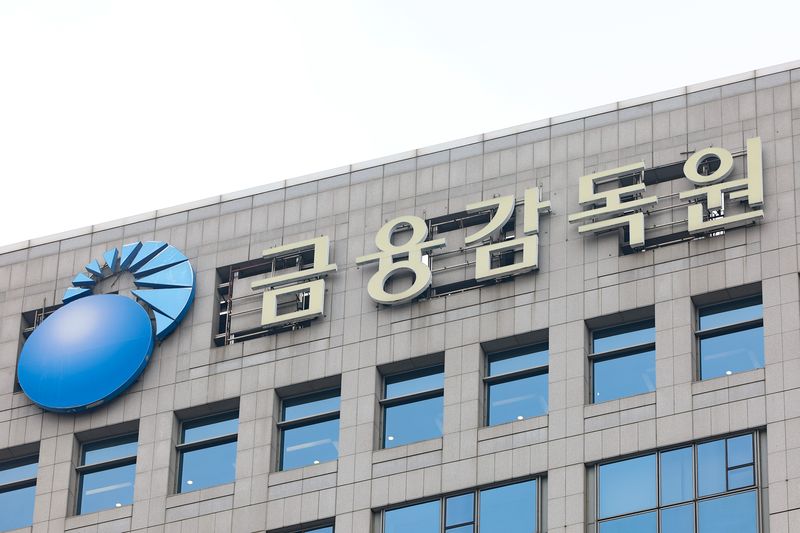
[Financial News] As investment demand increased, the outstanding balance of derivative-linked securities and derivative-linked bonds rose to 96.7 trillion won. This was the largest amount since June 2023.
According to the 'First-Half 2026 Issuance and Management Status of Derivative-Linked Securities and Bonds' released by the Financial Supervisory Service on the 2nd, the outstanding balance of derivative-linked securities and bonds stood at 96.7 trillion won at the end of June. That was an increase of 9.5 trillion won, or 10.9%, from the end of June last year, marking the highest level since the 96.3 trillion won recorded at the end of June 2023.
The outstanding balance of derivative-linked securities was 17.6 trillion won, comprising 11.8 trillion won in ELS and 5.8 trillion won in DLS. The outstanding balance of derivative-linked bonds, including ELB and DLB, was 79.1 trillion won.
Total issuance in the first half of this year amounted to 42.9 trillion won, up 8.9 trillion won, or 26.2%, from the same period last year. Issuance of derivative-linked securities rose 21.2% to 14.3 trillion won, led by single-stock ELS. Issuance of derivative-linked bonds increased 28.8% to 28.6 trillion won, fueled by growing demand for ELB.
Redemptions reached 41.7 trillion won, up 13.4 trillion won, or 47.3%, from the first half of last year, as early redemptions and redemptions at maturity increased amid gains in domestic and overseas stock markets. Redemptions of derivative-linked securities totaled 14.5 trillion won, while those of derivative-linked bonds came to 27.2 trillion won.
Among ELS issuance, index-linked products accounted for the largest share at 8.1 trillion won, followed by single-stock products at 3 trillion won and mixed-type products at 1 trillion won. The share of index-linked ELS products using the KOSPI 200 Index as an underlying asset rose to 84.6% in the first half of this year from 70.9% in the first half of last year.
Among single-stock ELS, products linked to Samsung Electronics accounted for 1.3 trillion won in issuance, followed by Tesla at 1.2 trillion won, SK hynix at 1.1 trillion won and Palantir Technologies at 900 billion won. The increase reflected continued popularity of products that use highly volatile stocks as underlying assets and offer relatively high returns.
Knock-in products accounted for 7.6 trillion won, or 53.1% of all derivative-linked securities. No-knock-in products accounted for 6.7 trillion won, or 46.9%. Among knock-in products, low-knock-in products with knock-in barriers of 50% or less accounted for 98.7%.
The annualized investment return on derivative-linked securities redeemed early or at maturity during the first half was 6.8%, up from 6.3% in the same period last year. The return on derivative-linked bonds was 3.6%, similar to the previous year. Returns by product were 7.8% for ELS, 2.0% for DLS, and 3.6% each for ELB and DLB.
The Financial Supervisory Service warned that derivative-linked securities may carry greater risks when they have more underlying assets and higher indicated returns. It also cautioned that investors in knock-in products could lose their entire principal if the price of an underlying asset falls below the knock-in barrier.
Derivative-linked bonds are products for which securities firms promise to repay the principal, but they are not covered by deposit insurance. If the issuing securities firm goes bankrupt, investors may not recover their principal or interest, and they may also incur principal losses when redeeming the products before maturity.
An official from the Financial Supervisory Service said, "We plan to monitor issuance trends and risk factors related to derivative-linked securities and bonds and guide financial companies to ensure that product risks are sufficiently disclosed to investors."
[email protected] Lee Jung-hwa Reporter