[Editorial] South Korea must not be dragged along by Washington's unilateral announcement of investments in the United States
- Input
- 2026-10-01 18:48:28
- Updated
- 2026-10-01 18:48:28
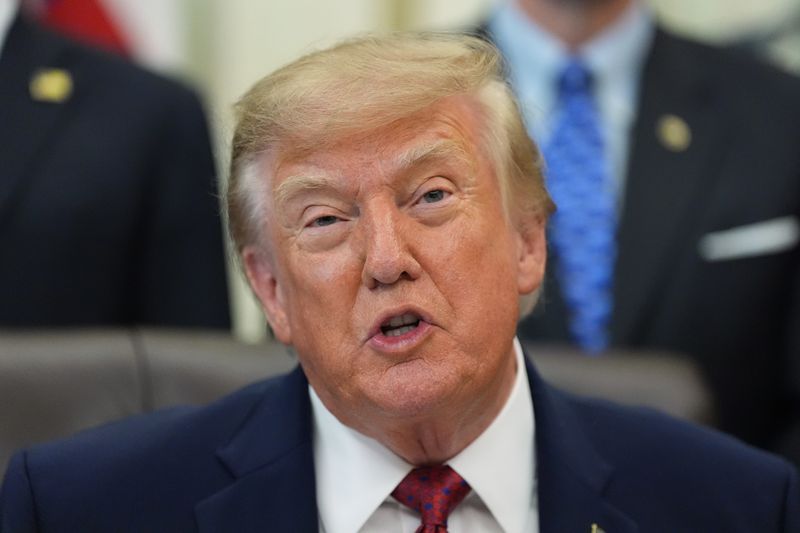
However, the U.S. side announced the plan as if South Korea had finalized an investment of more than $50 billion in the Alaska LNG project, whose economic viability the South Korean government is still reviewing. That is not the South Korean government's official position. The Alaska LNG project is only at the initial review stage, and South Korea will decide whether to proceed only if its commercial viability and the requirements under domestic law are satisfied. The two countries have not reached an agreement on the project.
The gains secured through negotiations on the other projects should also be preserved as much as possible, but they require two or three rounds of review. The first project, the Encinal gas-fired combined-cycle power plant in Texas, is valued at $22.3 billion and targets the rapidly growing electricity demand of artificial intelligence (AI) data centers. Establishing a foothold in the United States' energy infrastructure market is a positive development, but significant issues remain to be examined through the final stages, including securing stable long-term demand.
In the nuclear sector, the plan calls for building eight large reactors at a cost of up to $120 billion, with South Korea's APR-1400 technology to be used in two of them. Lowering the barrier to the United States market, which had been blocked by an existing agreement with Westinghouse, is a positive step. However, the sites and business structure for the eight reactors have not yet been determined. South Korea must protect its national interest through individual contracts, including the actual start of construction on the two APR-1400 reactors, the level of participation by South Korean companies, and the substantive rights associated with Westinghouse's stake.
The decision to establish specific safeguards for recovering the investment is an achievement worth recognizing. All the projects will be placed under an umbrella special purpose vehicle (SPV) to manage their revenues and risks in an integrated manner, while an annual investment cap of $20 billion will be included in a legally binding operating agreement. This structure would allow the profits from one project to offset losses from another if the profitability of a particular project declines, providing a measure of protection against losses.
The problem is the Alaska LNG project. President Trump announced it as if South Korea were investing $54 billion, but the South Korean government made clear that a decision on the investment has not yet been made. This massive project would transport natural gas from Alaska's Arctic North Slope through a pipeline stretching about 1,300 kilometers to Nikiski in southern Alaska, where it would be liquefied and exported to Asia. The estimated project cost alone ranges from $44.5 billion to $54.5 billion.
The enormous cost of building the pipeline has held the project back for nearly half a century. More than a decade ago, ExxonMobil, BP, and others joined Alaska in pursuing its development, but they halted additional investment as doubts about its economic viability grew. The state government eventually took over the project. Even now, its massive upfront investment, the possibility of rising construction costs, and its price competitiveness against LNG from the United States Gulf Coast and Canada remain major challenges. Since the project has been unable to overcome the profitability hurdle for decades, the South Korean government must assess its costs and returns with even greater objectivity.
$200 billion is not money intended to create a political achievement for the United States. It is South Korean investment capital that will ultimately place a burden on the public. South Korea should preserve the gains made by opening the door to the nuclear market and expanding opportunities for its companies to enter the United States, but it must also uphold the investment principles set by the government. Even if President Trump's announcement gets ahead of the negotiations, South Korea must remain calm and pursue further talks. It must not take on commitments simply because it has been pushed into doing so.