Bill Gates: "AI self-regulation is insane—it is like having no seat-belt or drug regulations"
- Input
- 2026-10-01 16:07:38
- Updated
- 2026-10-01 16:07:38
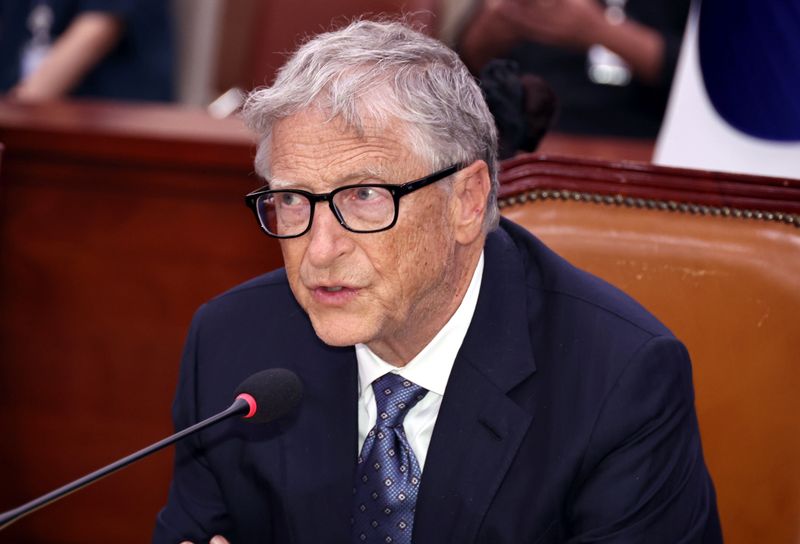
In a podcast interview with The New York Times (NYT) on the 30th (local time), Gates said, "I don't think you can trust the industry's self-regulation on this issue," calling it "really insane." He explained, "It would be like having no Food and Drug Administration (FDA), no aviation safety board, and no requirement to install seat belts in cars."
Asked what he thought of the argument that regulation is unnecessary because companies would be sued if they released unsafe AI, he said, "I can't believe you're asking that," and pointed out, "AI is the most dangerous thing humanity has ever encountered." He added, "Are you saying we should file a lawsuit only after someone creates a biological weapon and kills 100 million people?"
He also warned, "AI's advances have already created a situation in which malicious actors can carry out cyberattacks or biological terrorism." He stressed, "Safeguards and monitoring systems must be made mandatory before a catastrophe occurs."
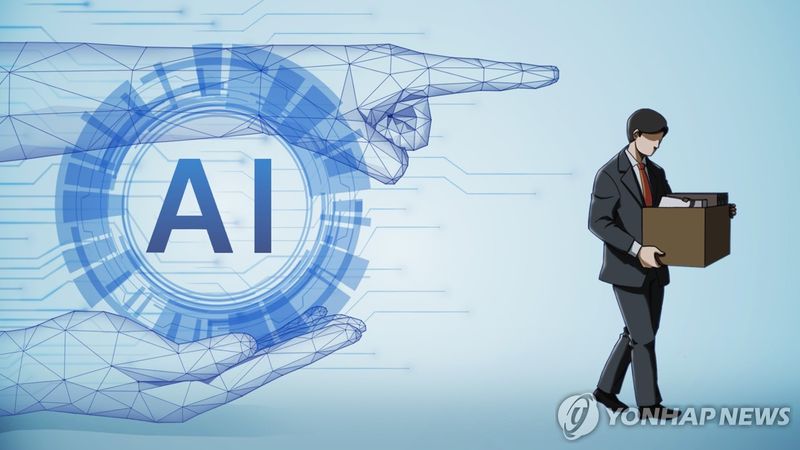
He also proposed designating "human-protected jobs" where AI access would be deliberately restricted, much like nature reserves. His argument was that sectors requiring empathy and emotional connection—including childcare, eldercare, health care and education—should guarantee employment for human workers.
However, Gates emphasized, "Unlike in developed countries, AI can help fill infrastructure gaps in health care and agriculture in low-income countries," adding, "We need to accelerate technological support."
Addressing concerns that AI could lead to humanity's extinction, Gates argued, "If we retain control, we will ultimately enter an era of 'extreme abundance,'" adding, "We must navigate the transition brought about by AI wisely."
[email protected] Hong Chae-wan Reporter