A Chicken Instead of a Pheasant? Now, Native Chicken Eggs Instead of Regular Eggs!
- Input
- 2026-10-01 14:00:00
- Updated
- 2026-10-01 14:00:00
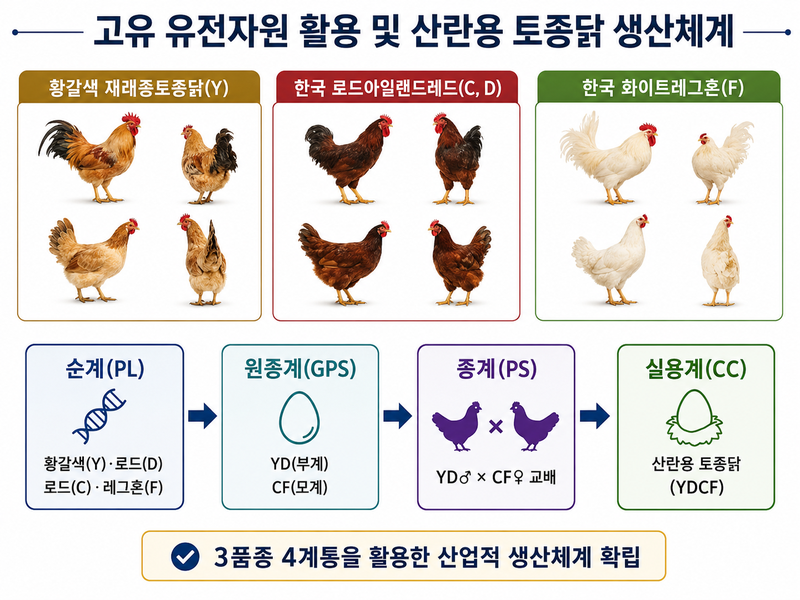
[Financial News] Native chicken eggs, known for their high yolk ratio and superior taste and nutritional value, are set to become widely available on the market. The Rural Development Administration (RDA) said it would establish a production and distribution system for premium eggs with the Korean Native Chicken Association and expand consumer access. As demand grows for premium fresh eggs, including animal-welfare and eco-friendly eggs, the plan calls for fostering about 30 farms in cooperation with North Gyeongsang Province.
Cho Yong-min, head of the RDA's National Institute of Animal Science, outlined a plan on the first to establish a production and distribution system for premium eggs using native chickens bred for egg production. He made the announcement at a government briefing in Sejong titled "Establishing a Farm Distribution System for Native Chickens Raised for Egg Production." The RDA plans to establish a breeder-chicken supply chain with the Korean Native Chicken Association and connect farmers in Yeongyang County with the entire process, from raising the chickens to distributing the eggs, thereby expanding consumer choice. The initiative could also provide farmers with a new source of income.
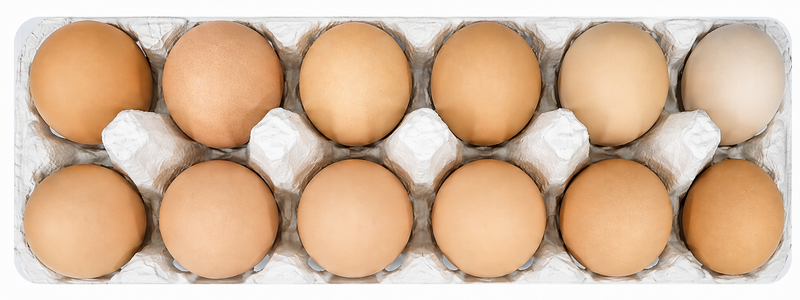
The yolk accounts for a higher proportion of the total weight of native chicken eggs. The yolk in an egg from a regular laying hen weighs 15.69 grams, compared with 16.27 grams in a native chicken egg. Their higher yolk content gives them an edge in both nutrition and taste. RDA testing found differences in fatty acid composition, including a higher proportion of monounsaturated fatty acids in the yolks of native chicken eggs. Differences were also found in the levels of amino acids associated with umami.
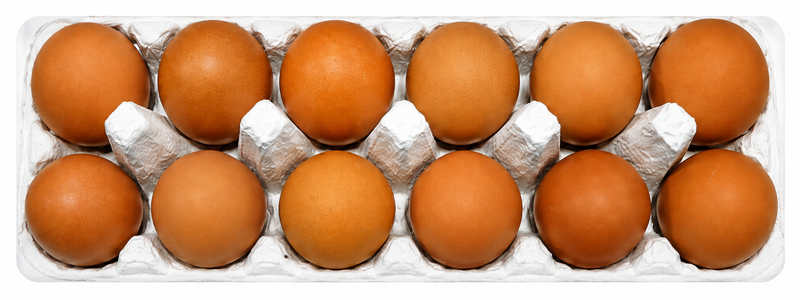
Cho said, "The yolk contains vitamins, minerals, iron, calcium and zinc. Eggs with a higher proportion of yolk are more nutritious." He added, "Native chickens bred for egg production have higher amino acid content than regular laying hens, giving their eggs a richer flavor and nuttier taste." The eggs also differ in shell color. Moon Jeong-jin, president of the Korean Native Chicken Association, said, "Native chicken eggs have an ivory color. Most eggs from regular laying hens are dark brown."
The RDA and the association signed a memorandum of understanding in April and are discussing the selection and operation of hub farms for producing and supplying breeder chickens. The RDA will provide native chicken breeds for egg production and husbandry technology. The association will select hub breeder-chicken farms, organize production farms, secure an egg distribution network and develop a joint brand. In cooperation with Yeongyang County, it plans to foster 50 small-scale laying-hen farms by 2030 and build a public-sector distribution facility to sort, package and ship eggs produced in the region.
The RDA and the association are targeting the premium market. Native chicken eggs have recently been supplied to distributors at about 800 won per egg. The share of special fresh eggs—including fertilized eggs, animal-welfare eggs, free-range eggs and antibiotic-free eggs—in South Korea's overall fresh-egg market rose from 27.5% in 2022 to 39.1% in 2024 by purchase value. Consumers are increasingly willing to pay more for eggs with animal-welfare and eco-friendly certifications. Because native chickens bred for egg production are raised in free-range or floor-raised systems, their eggs may qualify as animal-welfare eggs.
Cho said, "Native chickens have traditionally been used mainly for meat dishes such as baeksuk and samgyetang because of their superior meat quality and flavor." He added, "This commercialization effort is the next step in connecting the native chickens already developed for egg production with actual farm production and the consumer market." He continued, "We will establish a reliable distribution system linking breeder-chicken production, farm rearing and egg distribution, and thoroughly verify productivity and economic viability at farms."
[email protected] Choi Yong-jun, agriculture correspondent Reporter