SK Innovation E&S Combines Gas Fields, Ships and Power Plants to Tackle LNG Volatility
- Input
- 2026-10-01 10:32:53
- Updated
- 2026-10-01 10:32:53
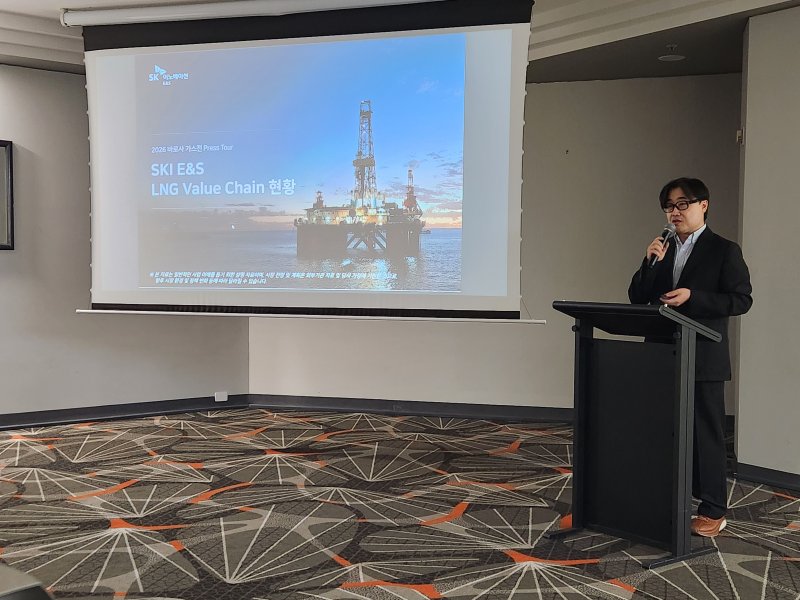
Supply-and-demand volatility may also increase as global LNG demand grows. According to a forecast by McKinsey & Company cited by SK Innovation E&S, global LNG demand is expected to reach approximately 800 million tons by 2040. Emerging Asia, China, Europe and artificial intelligence data centers (AIDCs) are expected to drive demand, while expiring long-term contracts and geopolitical risks such as conflicts in the Middle East could increase LNG supply-and-demand volatility.
Kang explained that securing its own gas fields can partially reduce cost fluctuations compared with external purchases. He added that having multiple procurement sources allows the company to switch to another source if a problem arises at one location.
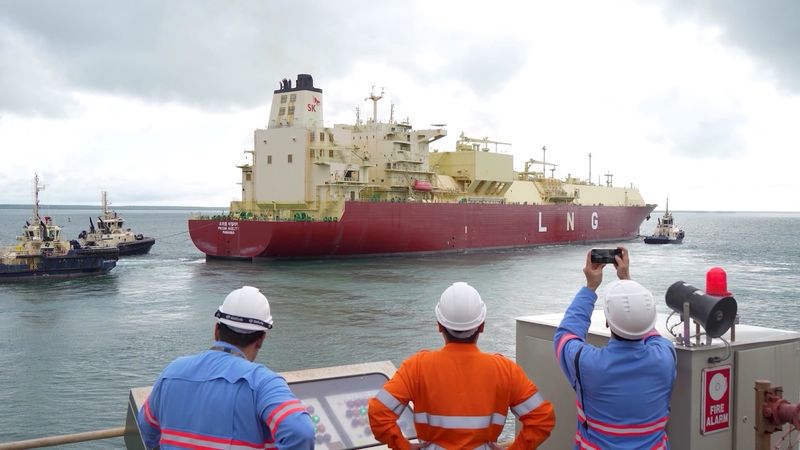
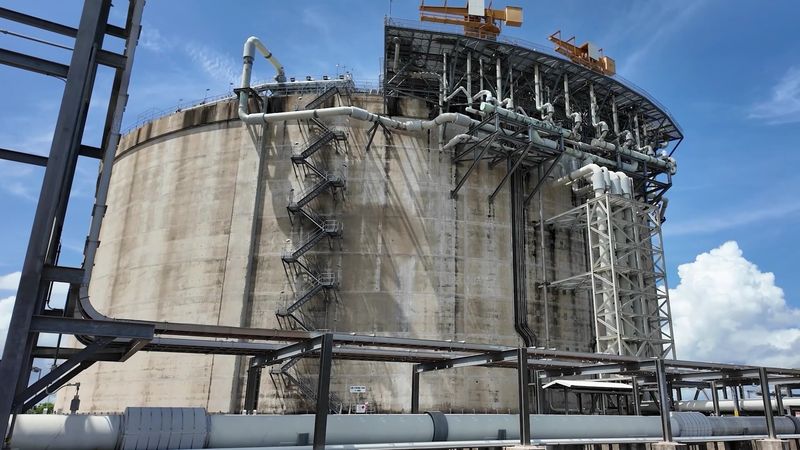
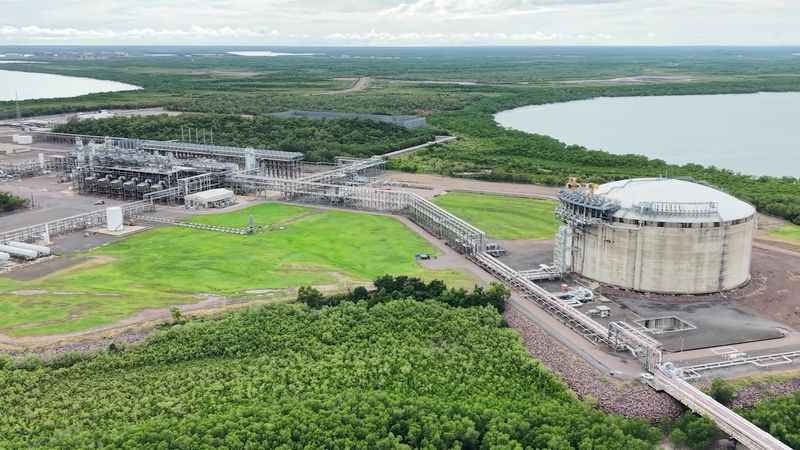
SK Innovation E&S is diversifying its procurement sources and contract structures by combining stakes in U.S. and Australian gas fields, a long-term contract in Indonesia, access to North American liquefaction facilities and a stake in an Australian liquefaction plant. It has secured rights to use liquefaction capacity at Freeport LNG in the United States and holds a 25% stake in the Darwin LNG plant in Australia. The company has also imported LNG under a 20-year long-term contract with the Tangguh project in Indonesia.
In power generation, the company operates domestic generation assets with a combined capacity of approximately 5 gigawatts (GW). Kang assessed that falling spot prices caused by weaker LNG demand would not necessarily be disadvantageous for LNG operators. For power plants, lower LNG prices can reduce fuel costs, creating a trade-off between upstream and downstream businesses.
The domestic LNG power-generation market also faces uncertainty. SK Innovation E&S pointed to the possibility of increased electricity demand resulting from expanded investments in semiconductors and AIDCs, but said the share of LNG power generation remains uncertain because of the expansion of renewable energy and nuclear power, as well as tighter regulations on aging LNG plants. AIDCs are being expanded in stages and have highly variable loads, while semiconductor factories require continuous power and high supply reliability. These characteristics differ from those of existing power demand.
Kang said, "People often talk about economies of scale and economies of scope, but personally, I think the concept that applies to the LNG business is the economics of options. Rather than owning assets one by one in a point-to-point structure, holding multiple options in sourcing, transportation and downstream operations increases the number of possible combinations for linking them exponentially and improves our ability to respond to market changes."
[email protected] Kim Mi-hee Reporter