Trump administration begins $500 payments to 1 million people, saying, "We cut health care costs"
- Input
- 2026-10-01 09:34:55
- Updated
- 2026-10-01 09:34:55
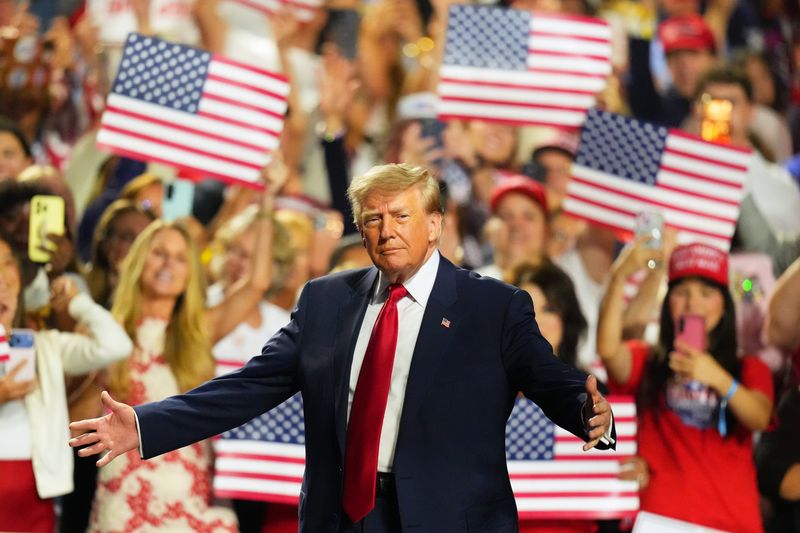
[Financial News] The administration of U.S. President Donald Trump has begun sending checks worth $500 (680,000 won) each to approximately 1 million people, saying it had reduced health care costs.
According to The Wall Street Journal (WSJ) on Sept. 30 (local time), the checks bear a printed copy of President Trump's signature and include a letter promoting his record of reducing health care costs.
In a video filmed in his office that day, President Trump said, "Our administration is doing the right thing by returning money to people who were unfairly overcharged."
In the promotional letter, he wrote, "Since returning to office, I have fought to lower health care costs, strengthen accountability, and put patients first."
He also touted the "TrumpRx" program as an achievement, saying the administration had negotiated with drugmakers to make some medicines available at lower prices.
Earlier, on Sept. 10, President Trump said he would "return money to people who were unfairly overcharged," claiming that enrollees had been charged excessive health insurance premiums under the Affordable Care Act (ACA), commonly known as Obamacare.
At the time, President Trump claimed that more than $500 million (about 680 billion won) had been overcharged to people in 30 states who had enrolled in health insurance through ACA marketplaces during the administration of former President Joseph Robinette Biden Jr.
An administration official explained that the people receiving the checks were mostly those who had not enrolled in subsidized health insurance.
President Trump also sparked controversy when he announced at a Republican Party convention in Dallas, Texas, on Sept. 9 that he would pledge to pay $5,000 (about 6.8 million won) to each adult if the Republican Party retained its majorities in both chambers of Congress in the November midterm elections.
Early in his second term, he also said he wanted to launch the Department of Government Efficiency (DOGE), an organization led by Elon Musk and others, to find ways to cut the federal budget and distribute 20% of the savings to U.S. citizens. However, those payments never materialized.
[email protected] Lee Seok-woo, international affairs specialist Reporter