College Students Taking Out Loans to Pay for Meals Surge 33% in Two Years; Overdue Balance Tops 38 Billion Won
- Input
- 2026-10-01 10:14:14
- Updated
- 2026-10-01 10:14:14
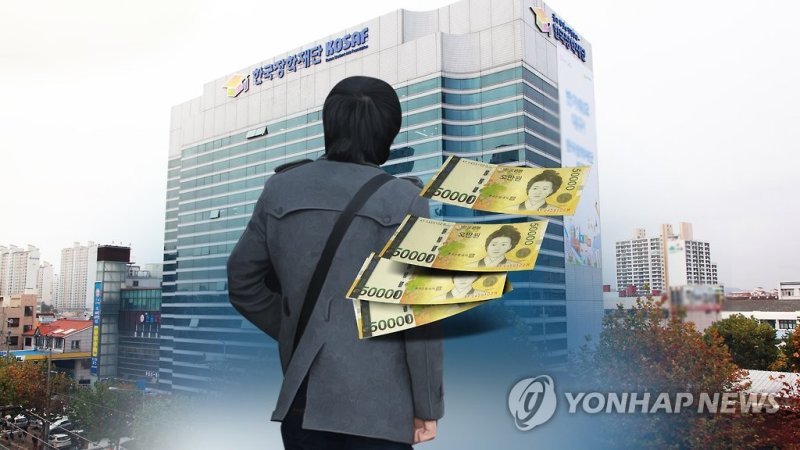
[Financial News] The amount of living-expense loans taken out by college students from the Korea Student Aid Foundation (KOSAF) increased by more than 30% in two years, data showed. Loans rose not only among low-income students but also in relatively higher-income brackets. Overdue balances also increased by more than 30% during the same period, prompting calls for urgent measures to ease the debt burden on young people.
According to Yonhap News Agency on the 1st, data submitted by KOSAF to the office of Rep. Kang Kyung-sook showed that college students' living-expense loans rose from 640.67 billion won in 2023 to 819.36 billion won in 2024 and 850.6 billion won in 2025. This represented an increase of approximately 209.92 billion won, or 32.8%, in two years.
The number of living-expense loans also increased by 24,958 during the same period, from 432,171 to 457,129.
By income level, living-expense loans among low-income groups—including recipients of basic livelihood security, near-poor households and students in student aid brackets 1–3—increased by 91.974 billion won, or 33.9%, from 271.5 billion won in 2023 to 363.474 billion won in 2025.
Bracket 3 posted the largest increase, with loans jumping 39.2% from 52.62 billion won to 73.25 billion won. Loans in bracket 2 rose 35.5%, from 55.84 billion won to 75.67 billion won; those taken out by basic livelihood security recipients increased 32.4%, from 38.08 billion won to 50.4 billion won; bracket 1 loans grew 31.6%, from 79.71 billion won to 104.89 billion won; and loans among near-poor households rose 31.0%, from 45.25 billion won to 59.26 billion won.
Loans in student aid brackets 9–10 also increased, rising from 89.15 billion won in 2023 to 103.79 billion won in 2025. Loans for borrowers whose income bracket had not been determined likewise grew from 75.88 billion won to 109.26 billion won during the same period. In other words, borrowing increased across all brackets regardless of income level.
As the size of the loans grew, so did the amount of overdue debt.
The number of people delinquent on general living-expense loans rose from 6,241 in 2023 to 7,189 in 2024 and 8,101 in 2025, an increase of 29.8% over two years. The overdue balance climbed from 29.52 billion won to 34.12 billion won and then to 38.69 billion won, up 31.1% over the same period.
The allowance for bad debts on all student loans, including tuition and living-expense loans, also increased by 11.0%, from 711.76 billion won in 2023 to 749.3 billion won in 2024 and 790.21 billion won in 2025.
A survey conducted by KOSAF last year of 44,818 living-expense loan users found that most had used the money for its intended purposes, such as food and transportation costs.
Rep. Kang emphasized, "We must pursue substantive, in-depth research into the structure of youth debt by income bracket and the channels through which subsistence loans enter the system, while establishing a debt-adjustment and one-stop psychological and financial support system for young people with overdue debt."
[email protected] Kim Su-yeon Reporter