"KWVA Must Remain Even After the Last Veteran Is Gone"
- Input
- 2026-10-04 07:00:00
- Updated
- 2026-10-04 07:00:00
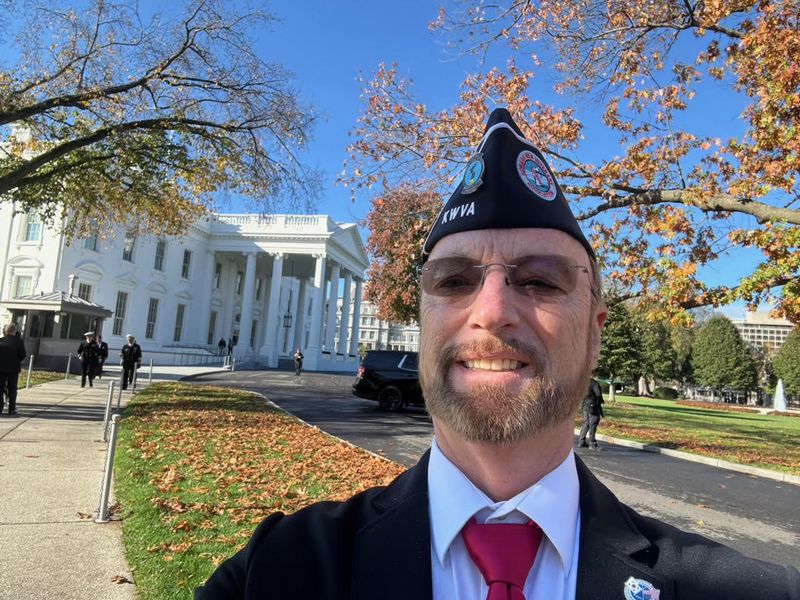
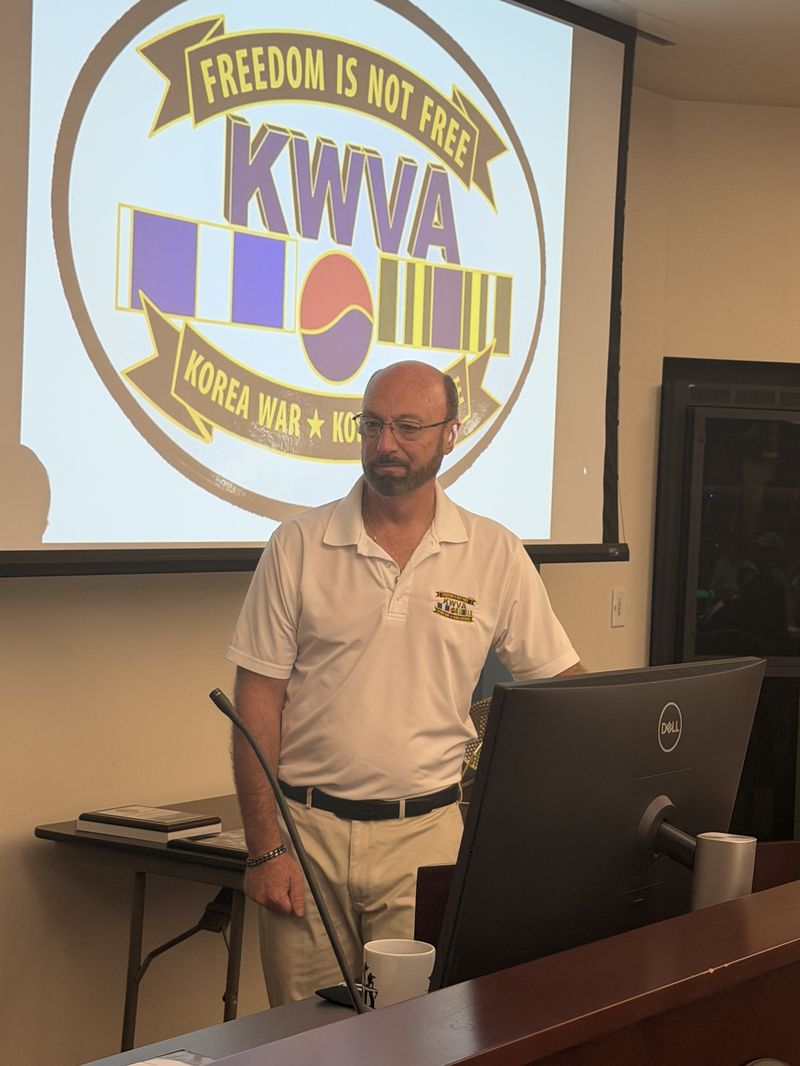
【Financial News, New York—Correspondent Lee Byung-chul】 "Even after the last Korean War veteran passes away, the Korean War Veterans Association (KWVA) must continue to exist."
David Pickett, national president of the KWVA, emphasized that the association's most important role is to pass the memories and legacy of Korean War veterans on to the next generation as those veterans gradually pass away. Of the association's more than 5,000 members, only about 1,000 actually served in the Korean War. As membership and the number of chapters decline with the aging of its members, the KWVA is reorganizing so that U.S. service members who served in Korea after the war, known as Korean Defense Veterans, can carry on its work.
The KWVA's biggest challenge is the aging of its veterans.
Pickett said, "We currently have slightly more than 5,000 members, about 1,000 of whom are actual Korean War veterans. The number of Korean War veterans is declining every day as they grow older." The number of chapters is also falling as members become ill or pass away.
Recruiting new members is also difficult. He explained, "Like other veterans' organizations, we are struggling to recruit members. Younger veterans do not join veterans' organizations as actively as previous generations did."
Several years ago, the KWVA therefore expanded membership eligibility beyond Korean War veterans to include Korean Defense Veterans who served in Korea after the armistice. The decision reflected the assessment that it was no longer possible to sustain the organization with only the Korean War generation.
Pickett said, "The number of Korean War veterans is finite, and the organization could disappear after they are gone. Korean Defense Veterans will continue the legacy begun by Korean War veterans."
Pickett himself is a Korean Defense Veteran. He served in the U.S. Army for 32 years and was stationed in Korea from 1989 to 1990. At the time, he was assigned to a helicopter company at Camp Humphreys, where he was responsible for maintaining and conducting preventive inspections of various types of ground equipment.
The most important lesson he learned while serving in Korea was readiness. He recalled, "While serving in a country that was still at war, I learned that I always had to be prepared to put all equipment and personal gear into combat within minutes. I carried that lesson from Korea with me throughout the rest of my military career."
Pickett stressed that there are clear reasons the KWVA must continue to exist even after all Korean War veterans have passed away.
He said, "There are two reasons. First, we must carry on the legacy begun by Korean War veterans. Second, we must teach younger generations the history of both countries and the sacrifices they made to fight communism on the Korean Peninsula."
He was particularly concerned that memories of the Korean War itself are fading as generations change.
Pickett said, "Young people today do not learn about military history in school. The KWVA must continue to teach younger generations about the history of both countries and the sacrifices made on the Korean Peninsula."
For this reason, the KWVA is working not only to preserve the organization but also to document veterans' experiences. Its magazine features stories about the Korean War and records the activities of members in different regions. Pickett explained that the association also published links in the magazine to help veterans leave accounts of their experiences with the Library of Congress.
He emphasizes documentation because there are stories that only people who directly experienced the war can tell.
Pickett said, "There is no more powerful story than a firsthand account told through the eyes of someone who actually experienced those events during the Korean War." He added, "Historians can present the big picture as if looking down from 30,000 feet, but soldiers and airmen who were actually there can portray the war much more vividly."
He repeatedly emphasized that the Korean War generation has little time left. "When they pass away, their stories will disappear with them."
[email protected] Correspondent Lee Byung-chul Reporter