U.S. Oil Industry: "Diesel Prices Will Remain High for at Least Another Year"
- Input
- 2026-10-01 03:07:24
- Updated
- 2026-10-01 03:07:24
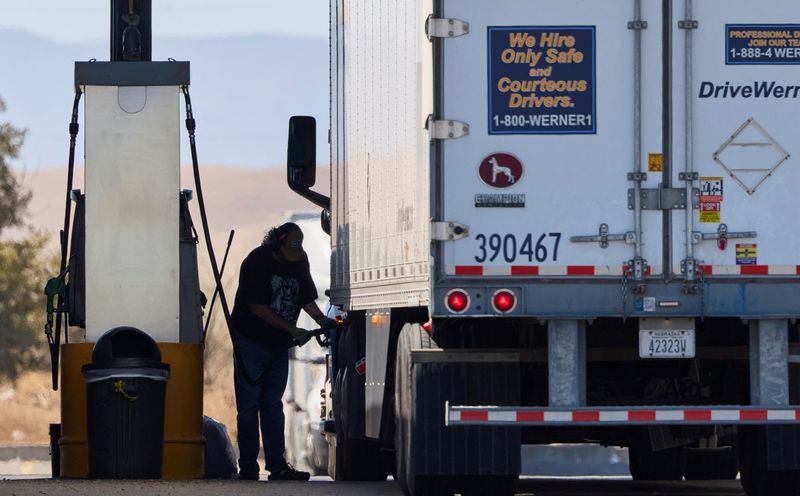
The U.S. oil industry expects diesel prices in the United States to remain above normal levels for more than another year.
The forecast came from a survey conducted by the Federal Reserve Bank of Dallas, which oversees Texas, the heart of the U.S. oil and gas industry.
The Financial Times (FT) reported on the 30th of last month (local time) that about half of the respondents said it would take four or more quarters for diesel prices to return to the normal levels seen last year. Executives from 100 oil and gas companies participated anonymously in the survey.
The Dallas Fed's quarterly survey is an index that tracks sentiment in the oil industry. Thanks to its anonymity, the survey is known for revealing the industry's candid views on U.S. energy policy and politics.
U.S. diesel prices have been surging since President Donald Trump launched a war against Iran on February 28. International diesel supplies were already being disrupted as Ukraine attacked Russian refinery facilities, while diesel exports from Gulf oil-producing countries also ran into difficulties. As a result, overseas exports of U.S. production have surged. The national average price of diesel in the United States reached an all-time high of $6.50 per gallon in early September.
As rising diesel prices cast a shadow over the November 3 midterm elections, Republicans called for an export halt. President Trump also discussed with his aides whether diesel exports should be banned to bring down domestic prices.
One respondent who provides services to oil and gas companies said, "Diesel is like mother's milk to the economy," adding, "The impact of rising diesel prices on the broader economy is only just beginning."
The survey also found that Russia's suspension of diesel exports, one of the two main factors behind rising diesel prices, is likely to continue for the time being. One respondent said, "I don't think Russia will resume diesel exports anytime soon." However, the respondent forecast that China could expand refinery operations and increase supplies to global markets.
Meanwhile, market participants are warning that while a ban on diesel exports by the Trump administration could lower U.S. diesel prices in the short term, it could soon lead to even higher prices.
Diesel prices would initially fall as domestic supplies increased, but refiners would be forced to reduce operating rates because of the resulting surplus of refined products. That could also reduce supplies of other fuels, such as jet fuel and gasoline, triggering a broad surge in fuel costs.
Experts say refined-product prices in Europe and Latin America, which rely on U.S. exports amid declining supplies from the Middle East, would soar. The resulting turmoil in global markets would inevitably affect the United States as well.
[email protected] Song Kyung-jae Reporter