Beyond Weapons, Sharing Training Software... Army’s Scientific Combat Training (K-ICTC) Aims to Become a “Global Standard”
- Input
- 2026-10-01 11:13:18
- Updated
- 2026-10-01 11:13:18
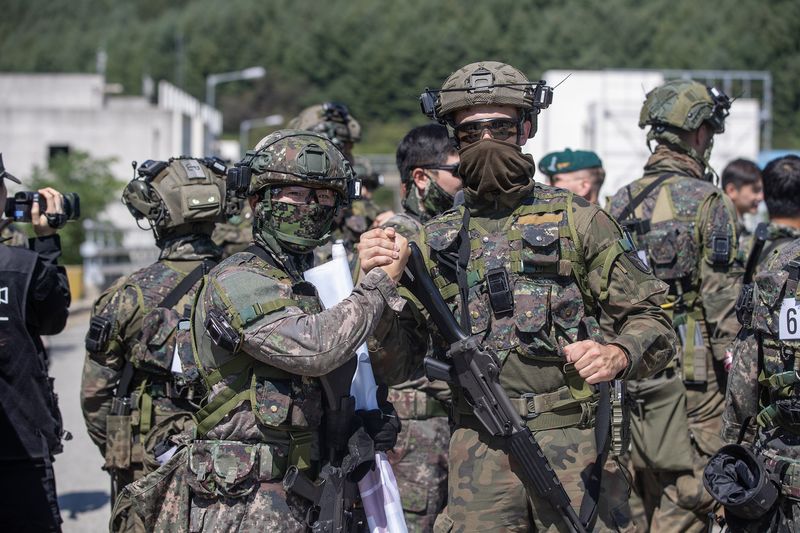
According to military authorities and the Army Combat Training Center (KCTC) on the 1st, the fourth K-International Scientific Combat Training Competition (K-ICTC), held from the 14th to the 20th of last month at the training grounds in Inje County, Gangwon State, concluded successfully amid high praise from participating countries. The competition featured elite troops from seven countries—including South Korea, the United States, Poland, Australia, Uzbekistan, Azerbaijan and Cambodia—and was the largest ever, with troops from eight countries, including Greece and Mexico, attending as observers.
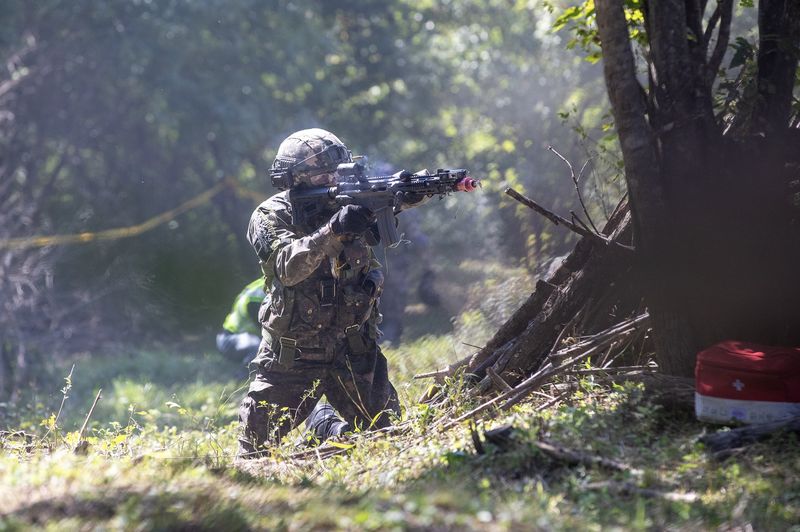
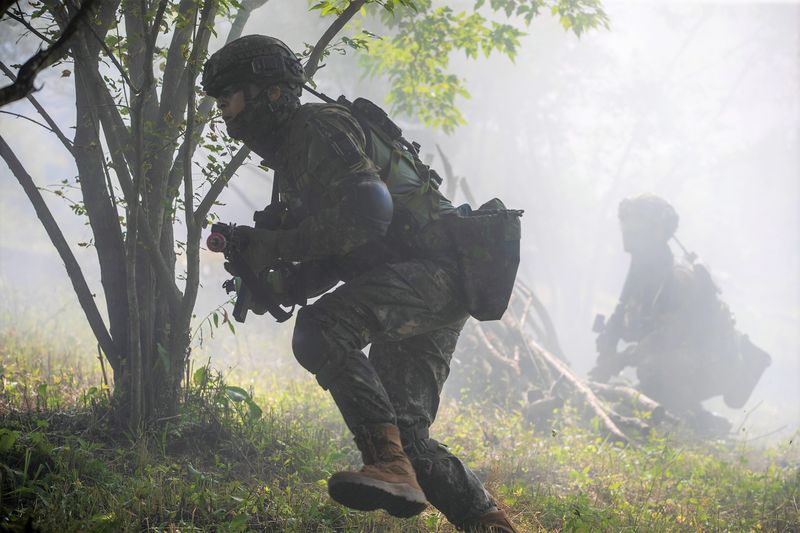
The successful completion of the competition is significant because it demonstrated that, despite being only the fourth event, the Republic of Korea Army can independently operate scientific training infrastructure of the world’s highest standard. Wearing domestically developed advanced Multiple Integrated Laser Engagement System (MILES) equipment, which uses lasers instead of live ammunition and determines casualties during engagements through data, soldiers from participating countries maneuvered through rugged mountainous terrain for more than three days. Going beyond competition, the joint training enabled the troops to share their small-unit combat skills and tactical perspectives in real time. It has been assessed as a defense-software achievement that strengthened military solidarity with friendly countries that have recently adopted Korean weapons on a large scale.
Security experts expect the achievements and evaluation data accumulated by the military through successive competitions to serve as a foundation for designing a larger and more ambitious future for national defense. They also urged the military to study closely the United States Army (U.S. Army) National Training Center (NTC) program, the origin of scientific combat training worldwide and an important milestone in establishing South Korea’s scientific combat-training system. Built by the U.S. Army in California’s Mojave Desert in the 1980s, the NTC is still regarded as the most advanced scientific training standard on Earth. The South Korean military is also known to have established its current scientific combat-training system after studying and incorporating the U.S. Army NTC’s practical data-based doctrine from various angles.
The U.S. Army NTC has moved beyond laser-engagement testing and now combines the Real-Time Battlefield Tracking System (PITI) with an advanced artificial intelligence (AI)-based after-action review (AAR) system. It visualizes all weapon-fire data generated during training, along with commanders’ decision-making paths, in minute-by-minute data and scientifically extracts areas for tactical improvement. In multinational joint training, it places the interoperability of command, control, communications, computers and intelligence (C4I) data among different military forces at the center of its validation criteria.
An official from a domestic security think tank said, "Through this competition, we demonstrated the operational capabilities, achievements and value of our scientific combat-training unit," and assessed, "Only by making substantive investments to advance our KCTC system into an AI battlefield-analysis and joint data-synchronization system, while preparing for a more proactive 'software-centered shift to an advanced framework,' will we be able to neutralize North Korea’s deception tactics and maintain our competitiveness in the global defense market."
Kang Bubong, commander of KCTC and a major general in the Army, emphasized, "Building on the combat data and training lessons accumulated through this competition, we will enhance the expertise of scientific combat training and continue expanding education, training and military exchanges with participating countries, turning it into a world-class scientific combat-training event."
[email protected] Lee Jong-yoon Reporter