U.S. Trade Chief: "Overcapacity Tariffs Will Take Country-Specific Ceilings into Account"... South Korea Unlikely to Exceed 15%
- Input
- 2026-09-30 18:36:20
- Updated
- 2026-09-30 18:36:20
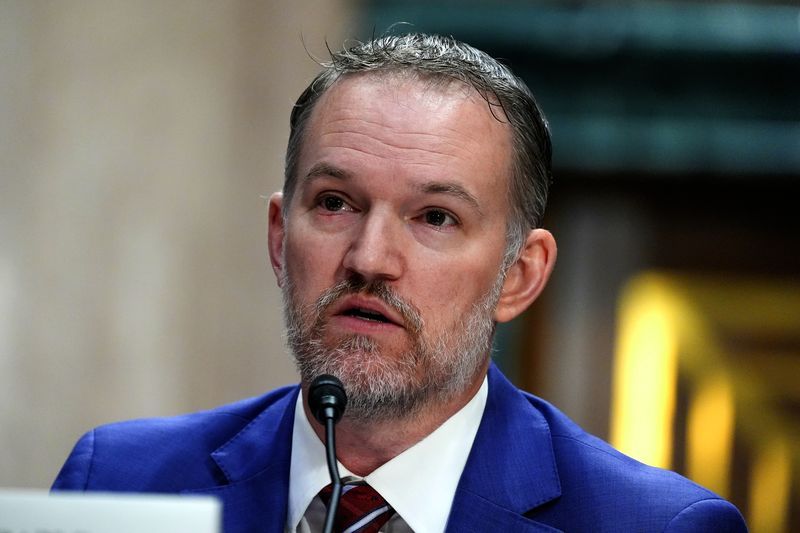
[Financial News] The Donald Trump administration has stated that, when imposing new tariffs based on the results of an overcapacity investigation under Section 301 of the Trade Act, it will comply with the tariff ceilings stipulated in trade agreements with individual countries. The total tariff rate applied to South Korea is also unlikely to exceed the 15% ceiling under the Korea-U.S. trade agreement.
According to foreign media outlets, including DD India, U.S. Trade Representative Jamieson Greer said on the 29th local time, while attending a meeting of trade ministers from the Group of Twenty (G20) in Milwaukee, Wisconsin, "We value deals, and we will clearly take them into account when reviewing the results based on the report."
The remarks were interpreted as meaning that the final tariff rate, including overcapacity tariffs, would not exceed the ceilings individually agreed upon with each country. Greer also said in June, "I know very well that a deal is a deal."
The Donald Trump administration launched investigations in March into forced labor and overcapacity in countries around the world under Section 301. It was an alternative measure adopted after the across-the-board reciprocal tariffs announced in April last year were invalidated by a U.S. Supreme Court ruling that found them unlawful.
Section 301 allows the United States to respond with tariffs or other import restrictions to unfair, unreasonable, or discriminatory measures by foreign governments that burden or restrict U.S. trade.
After completing its forced-labor investigations into 60 economies, USTR recommended a 12.5% tariff on 46 economies, including South Korea, and a 10% tariff on 14 economies, including the European Union (EU). South Korea has been subject to a 12.5% tariff since July 24.
However, the results of a separate overcapacity investigation covering 16 economies—including China, South Korea, Japan, and the EU—have not yet been released. According to a compilation of foreign media reports, a 7.5% tariff on China is reportedly the leading option under consideration.
As a result, countries have expressed concern that the tariff ceilings they secured through individual trade agreements with the United States could be rendered ineffective.
Under a Korea-U.S. trade agreement reached last November, South Korea agreed to invest $350 billion in the United States in exchange for Washington setting a 15% ceiling on tariffs on South Korean goods. If the overcapacity tariff is set at 2.5% or higher, adding it to the current 12.5% tariff would push the total above the ceiling.
[email protected] Lee Seok-woo, international affairs specialist Reporter