Barclays: "U.S. 30-Year Treasury Yield Could Reach 6%"
- Input
- 2026-09-30 16:23:56
- Updated
- 2026-09-30 16:23:56
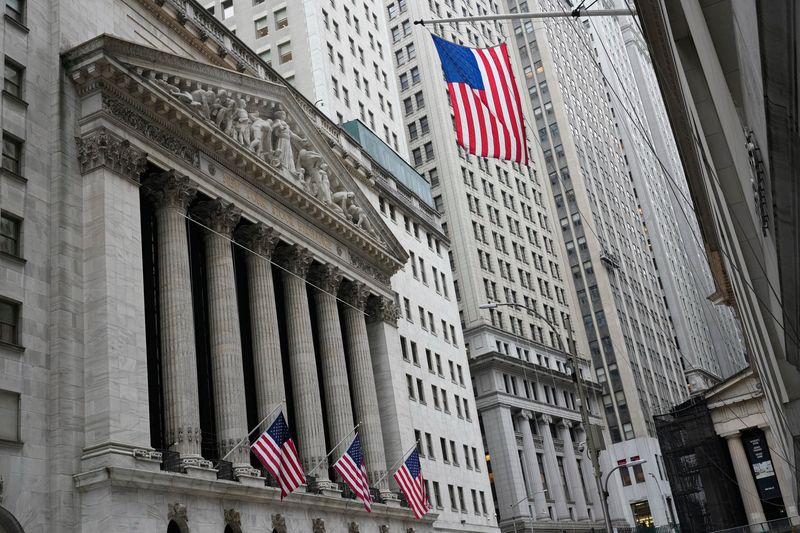
[Financial News] Barclays Capital analyzed that the U.S. 30-year Treasury yield could rise to 6%.
Anshul Pradhan, head of U.S. rates research, said in a report on the 30th that, despite this month's sell-off in U.S. Treasuries, the market "continues to assume that the currently elevated neutral rate will ultimately prove to be cyclical rather than structural."
From a cyclical perspective, investors expect the U.S. Federal Reserve (Fed) to raise interest rates to curb inflation, but he added that "they do not expect those rate hikes to persist permanently."
Pradhan presented "an economy with higher productivity" as a pessimistic scenario.
This year's capital expenditures by U.S. Big Tech companies are expected to be comparable to their combined capital expenditures over the past three years.
The report explained that if productivity growth continues to accelerate, "there will be less reason for the Fed to return its policy rate to the level currently priced into the futures curve."
It added that investors "will have to raise their expectations for the level at which the policy rate will ultimately settle, and long-term yields will consequently move higher."
Pradhan said, "All else being equal, the fair value of the 30-year yield will rise to 6% as the process of reassessing long-term forecasts above short-term forecasts unfolds." This would be the highest level since June 2000.
The 30-year yield rose above 5.61% on the 29th, marking the first time since 2002.
Conversely, he predicted that U.S. Treasury yields could decline if the capital-spending boom eases, economic growth slows, and the Fed has "less reason to keep rates at elevated levels." He added that intermediate-term maturities would benefit most in this case.
As a third possible scenario, Pradhan cited a situation in which "rising interest rates increase interest costs and worsen the fiscal outlook, prompting investors to demand higher compensation for holding Treasuries."
As with the pessimistic scenario, he likewise expected that it "would put the greatest upward pressure on yields from the 10-year to the 30-year maturities."
[email protected] Lee Seok-woo, international affairs specialist Reporter