U.S. and China Announce Agreement to Cut Tariffs on $60 Billion in Goods—Agricultural Products and Consumer Goods Included, Semiconductors Excluded
- Input
- 2026-09-30 11:40:55
- Updated
- 2026-09-30 11:40:55
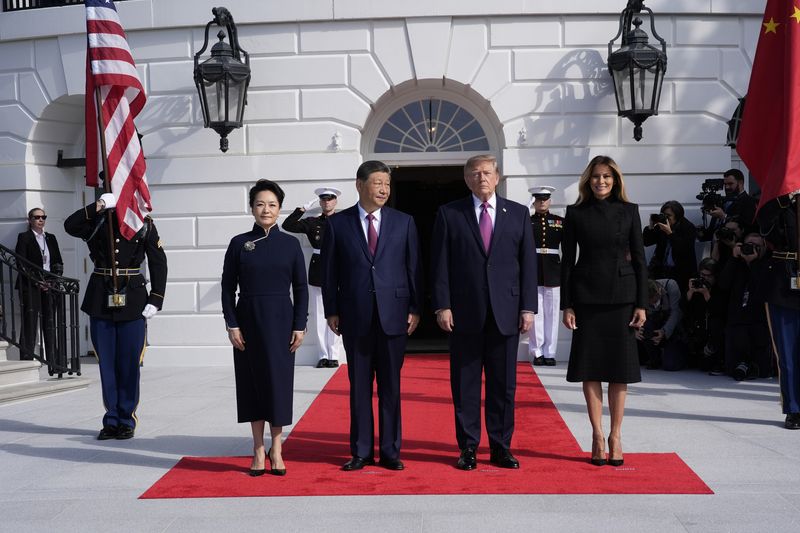
[Financial News] The U.S. and Chinese governments announced an agreement to cut tariffs on bilateral trade goods worth a total of $60 billion (about 80 trillion won).
The Hill reported on the 29th, local time, that the tariff-cut list released by the White House showed the United States would reduce tariffs on Chinese consumer goods in 77 categories, including Christmas decorations, fireworks, and toys. China, meanwhile, would cut tariffs on a total of 1,619 categories, primarily various U.S. agricultural products.
The so-called "30-30 framework," under which both countries will adjust tariffs on $30 billion worth of goods each, is being interpreted as an additional measure aimed at reducing the U.S. tariff deficit with China.
Concerns about inflation and rising gasoline prices lie behind the U.S. government's focus on cutting tariffs on Chinese consumer goods. The Conference Board's U.S. Consumer Confidence Index, released that day for September, fell 6.7 points from the previous month to 81.9, its lowest level since 2014.
Soybeans and related products are considered key among the items on which China lowered tariffs. The American Soybean Association said in a statement that soybeans were central to the tariff negotiations, citing China's pledge to continue purchasing at least 25 million tons of U.S. soybeans annually from 2026 through 2028. Scott Metzger, an Ohio soybean farmer and president of the ASA, emphasized, "China is a major market for U.S. soybeans, and we hope a robust trading relationship will be maintained so that Chinese consumers can purchase more U.S. soybeans."
Meanwhile, advanced technology sectors, including microchips, electronics, and semiconductors, were completely excluded from the tariff cuts.
In connection with the issue, a group of Senate Democrats urged President Trump to close loopholes to prevent China from circumventing the U.S. ban on semiconductor exports. In a letter, the senators said, "China is exploiting loopholes in U.S. export controls to gain access to advanced chips and manufacturing equipment, build dangerous artificial intelligence (AI) systems, and accelerate its efforts to secure dominance in AI."
[email protected] Yoon Jae-jun Reporter