Abu Dhabi Crown Prince Leads 'Zero Hormuz' Push as $300 Billion Sovereign Wealth Fund Makes Major Infrastructure Investments
- Input
- 2026-09-30 11:12:52
- Updated
- 2026-09-30 11:12:52
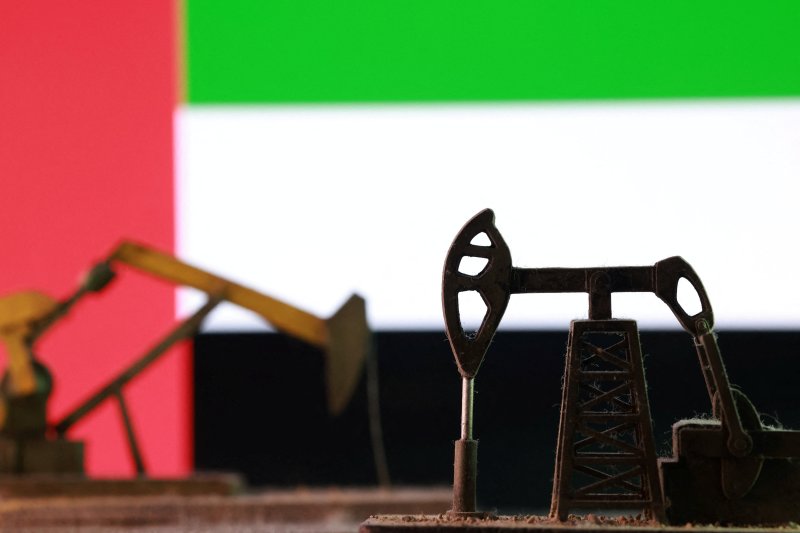
[Financial News] As the war with Iran shakes up the situation in the Middle East, Khaled bin Mohamed bin Zayed Al Nahyan, Abu Dhabi's crown prince, is emerging as a key figure behind a mega-infrastructure project aimed at countering Iran's threat to block the Strait of Hormuz.
Khaled, who took over as head of the $300 billion sovereign wealth fund Rimad Holding several weeks before the war broke out, recently decided to take Abu Dhabi Port, a strategic asset valued at about $9 billion, private. According to sources, Rimad plans to invest tens of billions of dollars more in expanding new port infrastructure in areas outside the Strait of Hormuz, a conflict zone. The move is part of Abu Dhabi's so-called "Zero Hormuz" strategy.
The United Arab Emirates (UAE) is pulling out all the stops to reduce its dependence on the Strait of Hormuz, which Iran has effectively controlled. Khaled has signed an agreement to attract up to $30 billion in joint investments with BlackRock, Temasek Holdings, and Abu Dhabi National Oil Company (ADNOC) to build energy transportation, logistics, and water infrastructure. The plan is to secure export routes for key commodities, including oil, petrochemicals, and aluminum, despite threats from Iran.
Abu Dhabi is particularly focused on expanding the port of Fujairah, which lies outside the Strait of Hormuz on the Gulf of Oman. ADNOC is also accelerating construction of a second oil pipeline to double its crude oil export capacity through Fujairah. Thani Al Zeyoudi, the UAE's minister of foreign trade, has said, "Our goal is to reduce dependence on the Strait of Hormuz to zero, regardless of whether the strait remains open."
However, these major infrastructure projects face serious security risks. The Fujairah port area has previously been targeted by Iranian drone and missile attacks, and a large fire broke out in March after debris from an intercepted drone fell in the area. Tensions between the two countries have reached their worst level, with the UAE declaring in August that it would sever economic ties with Iran in response to an attempted Iranian ballistic missile launch.
Sanam Vakil, director of the Middle East and North Africa program at Chatham House, the Royal Institute of International Affairs, noted, "The policy of moving away from Hormuz is very important to protect the UAE from uncertainty surrounding the strait." She added, "Given the changing nature of the war and the expanded strike range of Iran and its proxy forces, the UAE must be prepared for infrastructure outside Hormuz to also become a target."
Meanwhile, Khaled, the eldest son of UAE President Mohamed bin Zayed, is also expanding his presence on the diplomatic stage. He has led diplomacy with China, including talks with Iranian President Masoud Pezeshkian, while strengthening cooperation with the U.S. government and Wall Street heavyweights. He is establishing himself as a key power broker in Middle Eastern business and politics.
[email protected] Yoon Jae-jun Reporter