"Frequent Trips to the Bathroom, Lower Abdominal Pain That Worsens as You Hold It" ... A Sign of Interstitial Cystitis [Health Talk]
- Input
- 2026-09-30 08:49:26
- Updated
- 2026-09-30 08:49:26
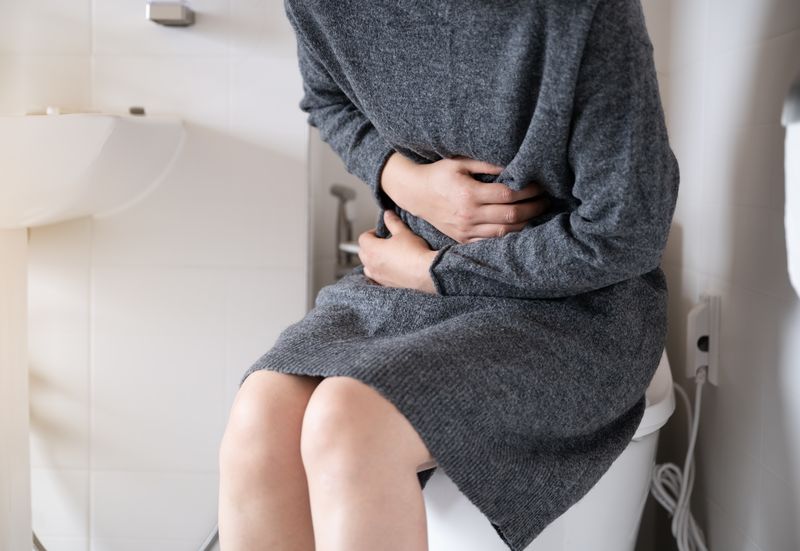
[Financial News] As the bladder fills, the lower abdomen becomes painful, with temporary relief after urination. If these symptoms recur, interstitial cystitis should be suspected rather than common cystitis.
Interstitial cystitis is a condition in which pain or pressure develops in the bladder or pelvic area, accompanied by frequent urination or a sudden urge to urinate. A key characteristic is that pain or discomfort worsens as the bladder fills with urine. Symptoms may improve and then worsen again, and their severity and pattern vary from person to person.
The problem is that many people mistake it for recurrent cystitis. When they experience painful urination or frequent urination, they commonly think of cystitis first. If the same symptoms recur after treatment, they may easily assume that the cystitis has returned. However, not all recurring symptoms are caused by cystitis.
The two conditions have different causes. Common cystitis is usually caused by a urinary tract infection and improves with antibiotic treatment. Interstitial cystitis, by contrast, may cause painful urination, frequent urination, and bladder or pelvic pain to persist or recur even after treatment. If symptoms continue after cystitis treatment but no bacterial infection is found in a urine test, other causes, including interstitial cystitis, should be considered.
Diagnosis begins by assessing how long the symptoms have persisted, how often the person urinates, and the nature of the pain. Urinalysis and urine culture are then used to determine whether a urinary tract infection is present. If necessary, additional tests may include cystoscopy, which allows doctors to examine the inside of the bladder, and urodynamic testing to evaluate bladder function.
Treatment varies depending on the symptoms and the patient's condition and may include lifestyle changes, medication, and intravesical therapy, in which medication is administered directly into the bladder.
Kim Kyung-jong, chief of the Department of Urology at Seran General Hospital, said, "Even after cystitis treatment, it is easy to assume that the same condition has returned when painful urination or frequent urination recurs. However, rather than attributing recurring symptoms solely to cystitis, it is important to identify the exact cause," adding, "In particular, if bladder or pelvic pain keeps recurring or discomfort worsens as the bladder fills, it is advisable to consult a specialist."
[email protected] Jeong Myeong-jin, medical correspondent Reporter