"The Heart Can Gain Fat, Too" ... Why a Cardiologist Lost 41 Kilograms
- Input
- 2026-09-30 08:26:25
- Updated
- 2026-09-30 08:26:25
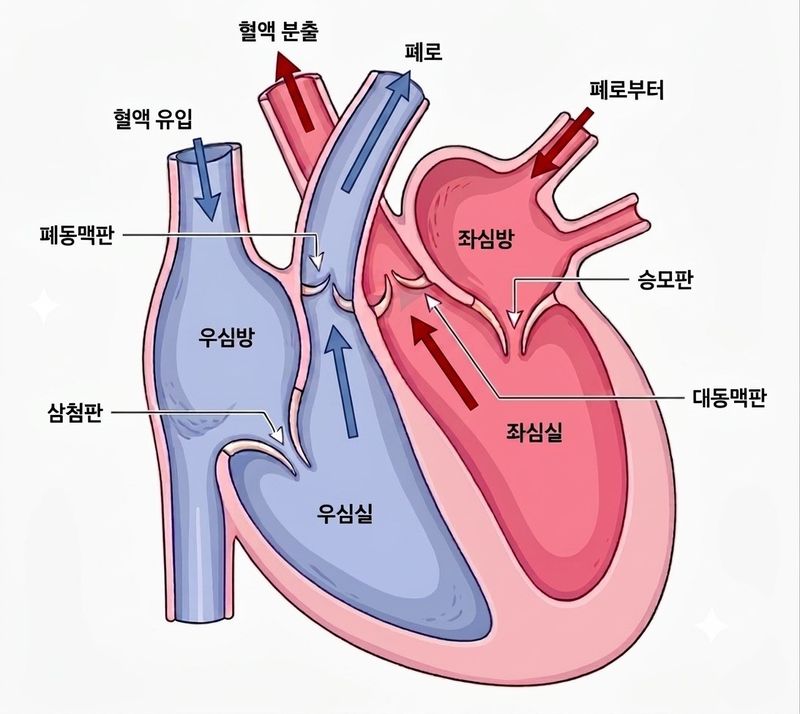
[Financial News] Fat does not accumulate only around the abdomen. It can also build up in the membrane surrounding the heart, preventing the heart from expanding properly and potentially causing arrhythmias. As people gain weight, the heart becomes strained, and when the heart is strained, a vicious cycle of further weight gain begins.
Bae Dae-hwan, chief of cardiology at Bucheon Sejong Hospital, warned of the close link between heart failure and obesity on World Heart Day. He emphasized that weight management should be the first step in breaking this vicious cycle.
Fat Surrounding the Heart Impairs Cardiac Function
When body weight increases, fat accumulates not only in visceral and subcutaneous tissues but also in the membrane surrounding the heart, known as the epicardium. This fat prevents the heart from expanding sufficiently, and the fat itself can cause inflammation, potentially leading to electrocardiographic changes such as arrhythmias.
Once heart failure develops, the vicious cycle deepens. When reduced cardiac function prevents enough blood from reaching the rest of the body, even slight physical activity can cause shortness of breath. As activity declines, energy expenditure decreases, allowing body fat to accumulate and further increasing the strain on the heart.
Bae explained, "Obesity overloads the heart, raising the risk of heart failure and increasing the prevalence of various conditions, including hypertension and diabetes. It also creates a vicious cycle in which fat accumulates in the epicardium and impairs cardiac function."
Heart failure is a condition in which functional or structural abnormalities prevent the ventricles from properly pumping out or filling with blood. Its main symptoms include shortness of breath, leg swelling and fatigue. According to the Korean Society of Heart Failure's 2025 Heart Failure Fact Sheet, heart failure patients commonly have hypertension (77.9%), diabetes (65.5%), ischemic heart disease (50.9%) and atrial fibrillation (20.6%).
The World Health Organization (WHO) defines obesity as a body mass index (BMI) of 30 or higher. However, because body types and patterns of complications differ in the Asia-Pacific region, including South Korea, a BMI of 23 to 24.9 is classified as overweight and a BMI of 25 or higher as obese. According to the Korean Society for the Study of Obesity's 2024 Obesity Clinical Practice Guidelines, the rates of diabetes, hypertension and dyslipidemia increase as BMI rises. Even people with a low BMI face a higher risk of comorbidities if they have abdominal obesity. The society recommends checking for cardiovascular comorbidities, including coronary artery disease, congestive heart failure and atherosclerosis, before treating adults with obesity.
Cardiologist Who Weighed 128.7 Kilograms Lost 41 Kilograms and Stopped Taking Blood Pressure Medication
Bae's warning came from personal experience. At 39, he was an obesity patient who weighed 128.7 kilograms, had a BMI of 41.5 and a body fat percentage of 40.1%. He was receiving medication after undergoing total thyroidectomy and also had hypertension and hyperlipidemia.
Starting in January last year, he combined anti-obesity injections with exercise therapy and lost 41 kilograms by last month, one year and six months later. His BMI fell to 28.2 and his body fat percentage to 24.8%, allowing him to stop taking medication for hypertension and hyperlipidemia.
Bae said, "Obesity management is extremely important for patients with heart failure, and combining lifestyle improvements with medication is effective. There are various ways to lose weight, ranging from lifestyle modifications such as diet and exercise to anti-obesity medication and metabolic and bariatric surgery." He added, "Losing weight reduces comorbidities and lowers the mortality rate associated with heart failure. Patients with heart failure should work closely with their primary physicians to consider weight loss as well."
[email protected] Jung Myung-jin, medical correspondent Reporter