The 1960s and Present-Day Ikaino in Osaka Side by Side: Photo Exhibition on Jeju Koreans in Japan Extended by Two Weeks
- Input
- 2026-09-30 06:34:54
- Updated
- 2026-09-30 06:34:54
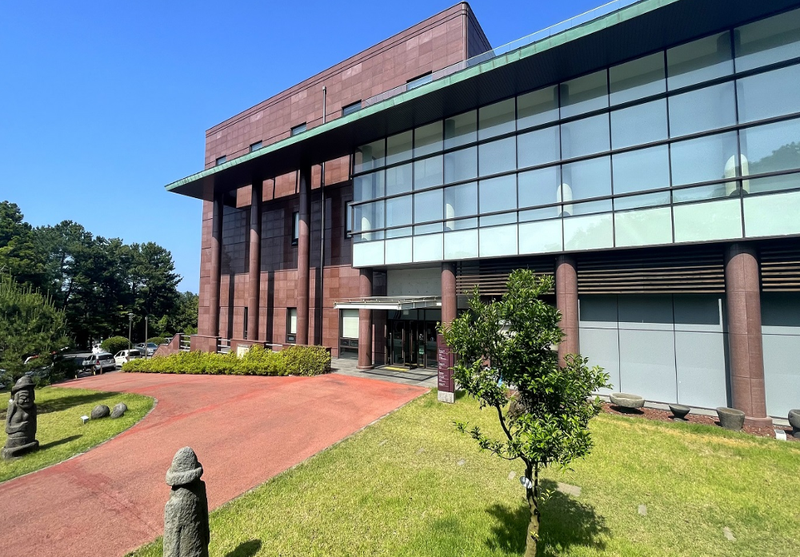
【Financial News, Jeju = Reporter Jeong Yong-bok】 An exhibition comparing 1960s Ikaino in Osaka, where Jeju Koreans in Japan established their homes, with the present day through photographs of the same locations has been extended by two weeks. Archival images taken by a photographer from Jeju are displayed alongside contemporary photographs retaken by students from Osaka Metropolitan University, showing how the Korean community in Japan has changed across time and space.
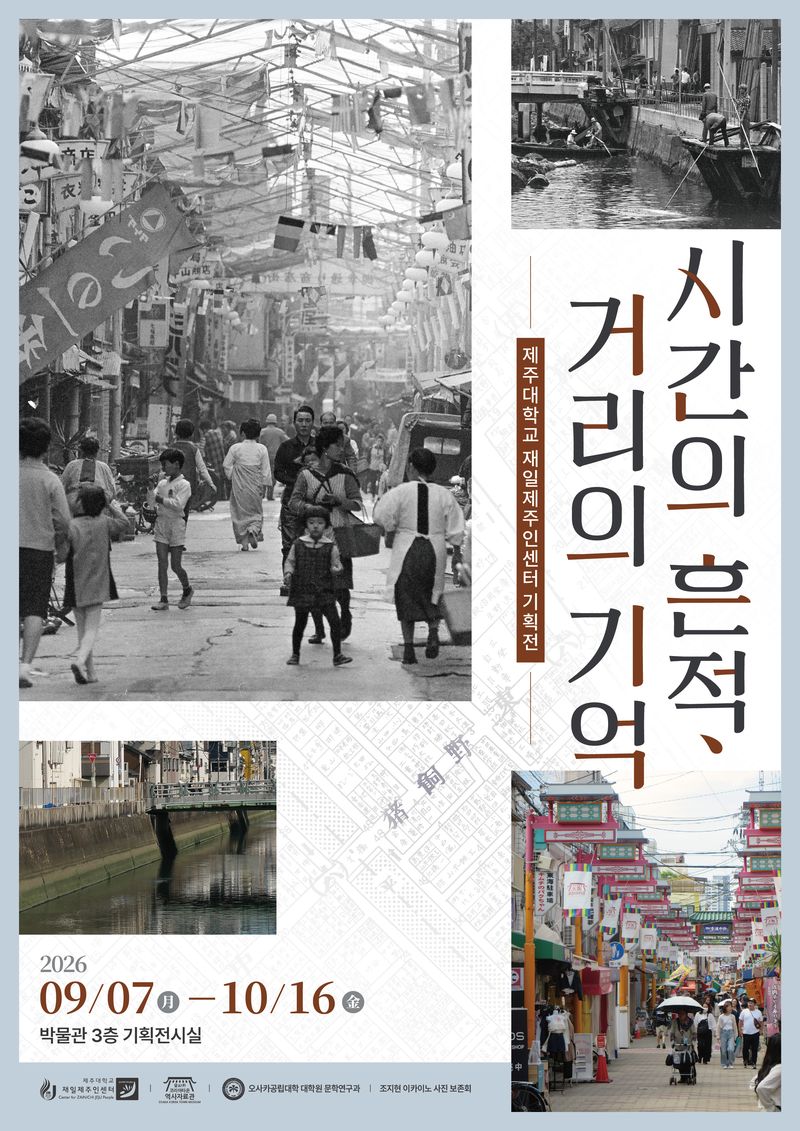
According to the Center for Jeju Koreans in Japan at Jeju National University on the 30th, the exhibition period for “Traces of Time, Memories of the Streets,” currently being held at Jeju National University Museum, has been extended from October 2 to October 16.
The exhibition opened on the 7th. Its viewing period was extended by two weeks to reflect the increase in closure days during the Chuseok holiday period, as well as requests from visitors and outside institutions.
The exhibition was jointly organized by JNU's Center for Jeju Koreans in Japan and the Graduate School of Literature at Osaka Metropolitan University. Its setting is Ikaino in Osaka. Today, Ikaino corresponds to the area around Ikuno Ward in Osaka City, where the lives, history and culture of Jeju Koreans and other Koreans in Japan have accumulated over many years.
The exhibition begins with photographs taken in 1960s Ikaino by the late photographer Jo Ji-hyeon, who was from Sinchon, Jeju, documenting the streets and residents' lives.
Next to photographs recording everyday spaces, including the market, alleyways and areas around the river, are contemporary images taken by Osaka Metropolitan University students who revisited the same locations.
Visitors can see how one place has changed over several decades. They can also trace not only changes to its buildings and streets, but the marks left by the people who lived there and the memories of their community.
A defining feature of the exhibition is that it does more than present archival photographs from the past separately; it connects them with contemporary views of the same or similar locations. Although the landscapes in the photographs have changed significantly, the exhibition visually shows that the history of the area as a living space for the Korean community in Japan has not disappeared.
The exhibition also stands out as the result of academic and cultural exchange linking Jeju and Osaka. The Center for Jeju Koreans in Japan has investigated and researched the migration, settlement, everyday culture and community history of Jeju Koreans in Japan while building an archive of related materials. This time, it worked with Osaka Metropolitan University to create an exhibition connecting historical records with present-day spaces.
The exhibition also represents a connection between records across generations, particularly because photographs left by an individual were retaken by the current generation at the same locations. In this way, the history of Jeju Koreans in Japan can be viewed not only as a memory within Jeju, but also in connection with the urban spaces of Osaka, where they actually settled.
Son Beom-gi, director of JNU's Center for Jeju Koreans in Japan, said, "The exhibition period was extended because interest from visitors and outside institutions has continued," adding, "I hope it will become an opportunity for more JNU members and local residents to encounter the lives of the Korean community in Japan and the memories that remain in Ikaino."
The exhibition is being held in the third-floor special exhibition gallery of Jeju National University Museum, and admission is free. It is closed on weekends and public holidays.
[email protected] Jeong Yong-bok Reporter