Listening to the Wind and Walking Between Bricks... “Resonance Field” at Changwon Sculpture Biennale 2026 [fn Art Snap]
- Input
- 2026-09-30 07:00:00
- Updated
- 2026-09-30 07:00:00
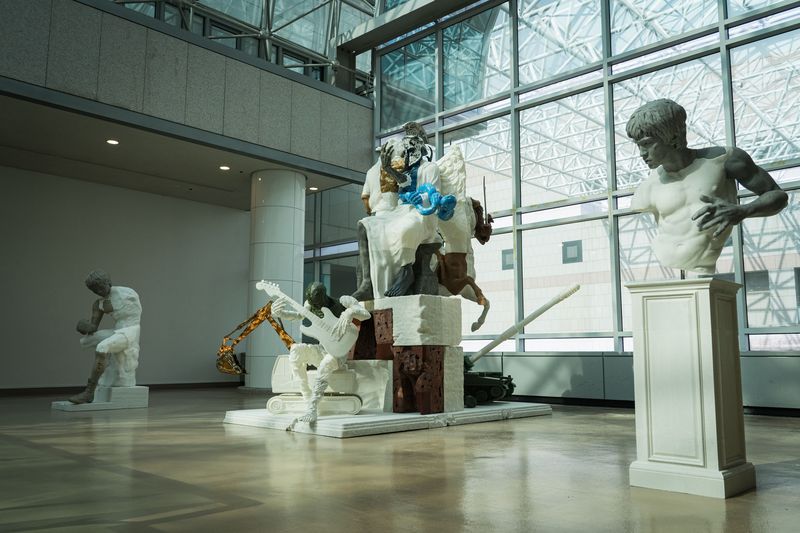
According to the Changwon Cultural Foundation on the 30th, Changwon Sculpture Biennale 2026 opened that day and will run for 47 days through November 15. Under the theme “Resonance Field,” 74 teams of artists, comprising 81 people from 41 cities and regions around the world, are presenting around 200 works. The biennale is hosted and organized by Changwon City and the foundation, and this year marks its eighth edition.■ Resonance Among Wind, Bricks and the CityThe exhibition unfolds across four areas: Sungsan Art Hall, The House of Changwon and the Changwon History and Folklore Museum, the area around Jinhae Station, and Masan Fish Market. Co-artistic directors Cho Hye-jung and Jun Jiang curated the main exhibition and two special exhibitions.
The “resonance” referred to by the exhibition is the reverberation created when people and materials, artworks and places, and different memories and periods meet. It proposes viewing sculpture through its relationship with the surrounding space and people.
Jeong Da’s new work “Physiological Response 3: Changwon Project,” installed at Sungsan Art Hall, brings the wind from three locations in Changwon into the exhibition hall. Sensors measure changes in the wind in real time and convert them into sound.
Kimsooja’s new work “Deductive Object—The Grid” is installed at Jinhae Station. It expands the principle of weaving threads into an architectural structure by repeatedly arranging and stacking bricks. Visitors can walk through or linger among the work, which responds to the linear structure of the railway tracks.
While Jeong Da’s work allows visitors to hear the city’s changes, Kimsooja’s work invites them to read the space by moving through it.
Also presented at Jinhae Station, Shim Moon-seup’s “Re-present” places a boat incorporating the mother-of-pearl inlay technique in the old station building. It brings together a boat carrying memories of the sea and the station’s history, layered with encounters and farewells.
At the pavilion of The House of Changwon, visitors can encounter Manal AlDowayan’s “Listen to Me.” The work uses the sound and resonance produced by striking a brass sculpture shaped like lips to question the relationship between speaking and listening.
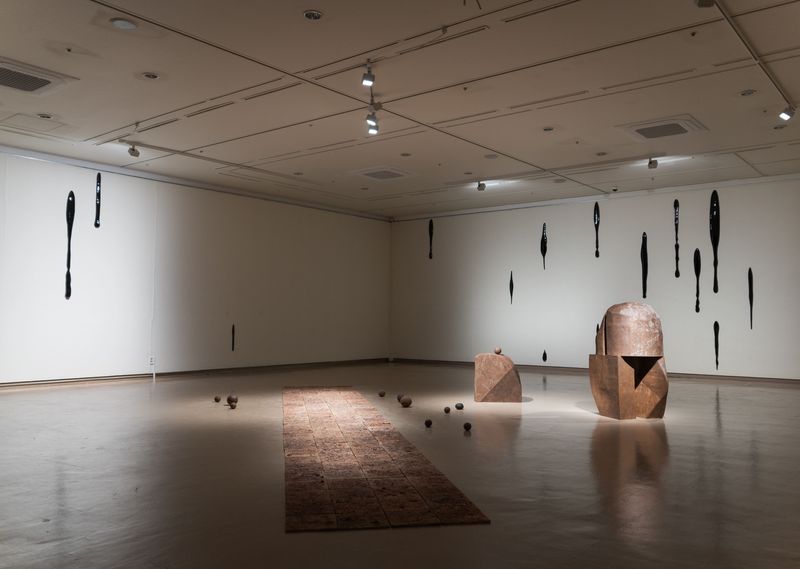
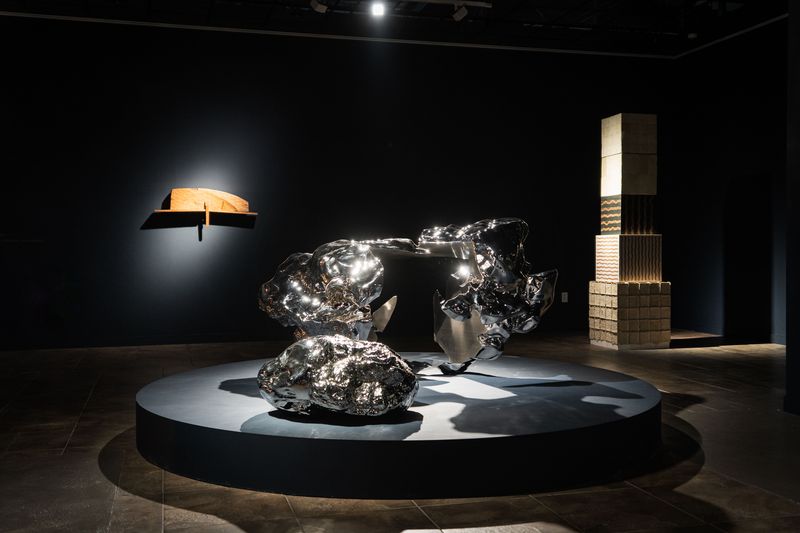
The works of East Asian artists including Kim Yun Shin, Shim Moon-seup, Park Sukwon, Kwan-Mo Chung and Ju Ming are explored through the actions of “carving, emptying, binding and stacking.”
Jun Jiang’s “Changwon Sculpture Atlas” is a map-based digital archive that connects this year’s entries with public sculptures from past biennales through location data. Along with the locations of the works, it allows viewers to explore Changwon’s historical, geographical and cultural context. It will remain as a platform that continues to accumulate records even after the exhibition ends.
The international academic conference “Resonance Network” will be held at Sungsan Art Hall’s Small Theater on October 1. Directors and curators of biennales and art festivals from Korea and abroad will discuss the relationship between sculpture, cities and society.
“Resonance Docent” is a project in which migrants and international students living in Changwon interpret artworks in their respective languages and create audio guides in seven to eight languages. Sculpture workshops involving children, teenagers and senior citizens will also continue.
Changwon City Tour buses connected to the exhibition venues will operate, and the guidebook includes a “Resonance Art Map” featuring information on exhibitions at local museums and galleries.
[email protected] Jang In-seo Reporter