Bojungikki-tang and an Immune Checkpoint Inhibitor Taken Together... Anticancer Immunity Increased [Health LAB]
- Input
- 2026-09-30 05:00:00
- Updated
- 2026-09-30 05:00:00
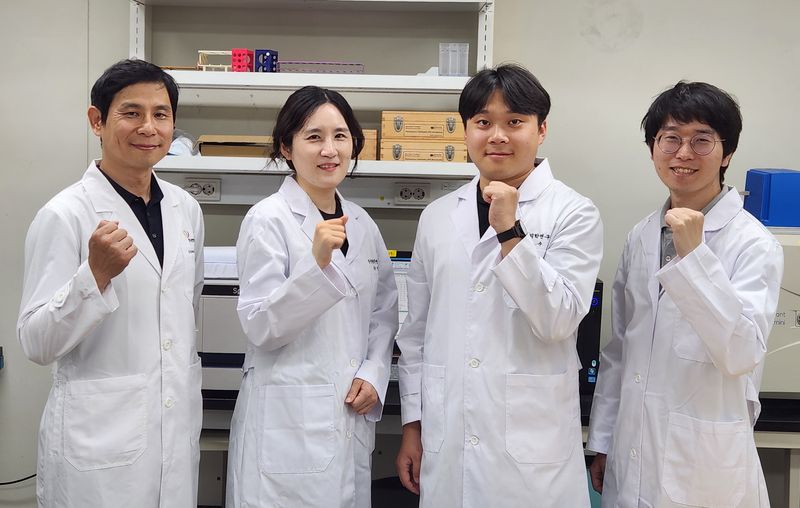
[Financial News] Combining Bojungikki-tang with an immune checkpoint inhibitor was found to activate anticancer immunity.
According to the Korea Institute of Oriental Medicine on the 30th, a research team led by Dr. Jung Mi-kyung and a team led by Professor Sang-Min Park of CNU analyzed blood samples from patients with advanced non-small cell lung cancer before and after treatment. They found that anticancer immune signals associated with T cells and natural killer cells (NK cells), which attack cancer cells, showed greater activation in patients who received Bojungikki-tang alongside an immune checkpoint inhibitor than in those who received the immune checkpoint inhibitor alone.
The findings were published online on August 21, 2026, in Genes & Diseases (impact factor 14.6), an international journal ranked among the top 2% in genetics.
According to the research team, immune checkpoint inhibitors are treatments that restore the function of T cells suppressed by cancer cells, helping them attack the cancer. They are widely used as a major treatment for advanced non-small cell lung cancer.
In earlier animal experiments, the team confirmed that Bojungikki-tang could enhance the anticancer effects of immune checkpoint inhibitors by increasing the activity of T cells and NK cells that attack cancer cells. Accordingly, the researchers analyzed changes in gene activity in blood samples collected before and after treatment from 19 participants in a multicenter clinical trial whose blood samples were available: 12 in the Bojungikki-tang combination group and 7 in the placebo group.
The researchers then used machine-learning analysis to identify four gene combinations that characterized changes in immune responses associated with the addition of Bojungikki-tang.
The research team said, "This clinical study presents candidate genetic markers that indicate anticancer immune activation associated with the combined use of Bojungikki-tang. We will validate these findings in a larger number of patients and continue research on integrated cancer treatment that can complement immune checkpoint inhibitor therapy."
[email protected] Yeon Ji-an Reporter