As AI Advances, 11 Million U.S. Workers Could Change Occupations Within a Decade
- Input
- 2026-09-29 16:28:44
- Updated
- 2026-09-29 16:28:44
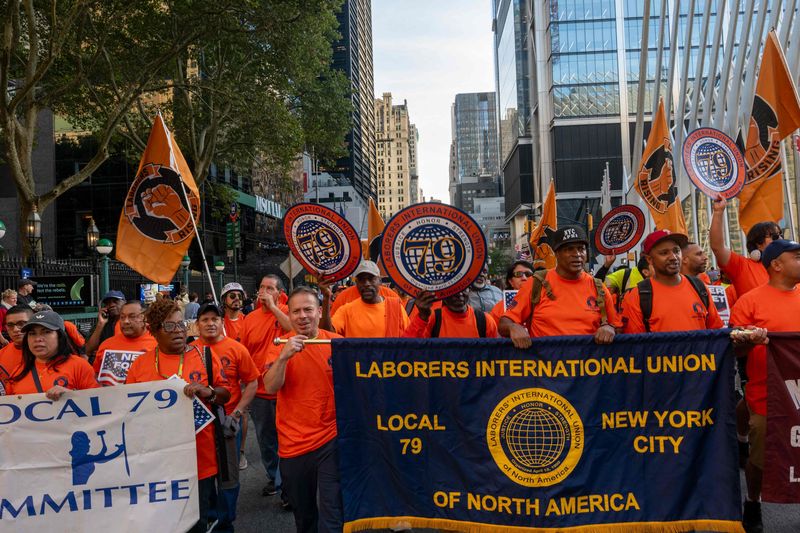
[Financial News] The rapid development of artificial intelligence (AI) could force as many as 11 million U.S. workers to change occupations by 2035.
On the 29th, local time, global consulting firm McKinsey & Company said in a report released that day that AI’s development would create not only job losses but also the difficult challenge of occupational transitions.
The report estimated that 11 million people, or about 7% of the current U.S. workforce, may have to change occupations by 2035 because of AI’s impact. The number of Americans changing jobs, currently around 215,000 a year, would rise to nearly three times its current level by 2035.
Even after accounting for difficult-to-predict factors such as the pace of corporate AI adoption and population aging, the report added that between 6 million and 16 million people would have to change occupations.
The report’s authors warned, "Job opportunities could become more plentiful because of AI, but millions of workers will lose their jobs if different technologies and credentials, workplaces, and pay structures are required."
The three categories of full-time jobs most likely to require occupational changes were identified as office and administrative support, retail and sales, and transportation and logistics.
These categories include customer service representatives, cashiers, and warehouse workers. Low-wage workers, in particular, were estimated to be eight times more likely than high-wage workers to change occupations.
The report said that the federal government, along with state and local authorities, should help workers prepare for occupational transitions. It emphasized the need to provide workers facing such transitions with more specific and timely labor-market information, as well as funding for retraining.
Tanguy Catlin of the McKinsey Global Institute, one of the report’s authors, said, "The education system has largely evolved to serve younger people. Now, we need to continue improving the skills of the existing workforce that needs to change occupations. This is the issue we want to bring into the public debate."
[email protected] Lee Seok-woo, international affairs specialist Reporter