Gangdong District Finalizes 86.9 Billion Won Supplementary Budget, Bringing Total to 1.3017 Trillion Won
- Input
- 2026-09-29 15:38:38
- Updated
- 2026-09-29 15:38:38
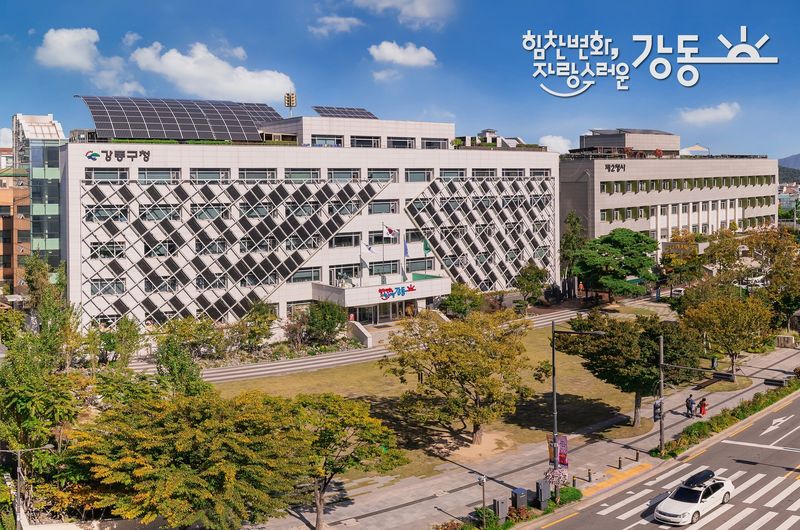
Gangdong District said on the 29th that it had finalized its second supplementary budget for 2026, worth 86.9 billion won, following approval by the Gangdong-gu Council.
With this supplementary budget, Gangdong District's total budget was finalized at 1.3017 trillion won, an increase of 86.9 billion won from the previous figure. It is the first supplementary budget compiled since the launch of the ninth popularly elected administration.
The supplementary budget reflects essential fiscal needs arising from the finalization of projects funded by national and Seoul Metropolitan Government subsidies. It focuses resources on projects requiring early implementation among the ninth administration's key policies, including strengthening Hangang River connectivity, education innovation and road improvements.
To flesh out the Gangdong Hangang Greenway project connecting Hangang River, Godeoksan Mountain and urban living areas, the district allocated 150 million won for a feasibility study and master plan for strengthening Gangdong's connectivity to Hangang River. The Gangdong Hangang Greenway is designed to connect Gangdong's forest trails, including those on Iljasan, to Hangang River, creating a single pedestrian and leisure corridor linking the trails with the riverside paths. The district plans to use the study to assess the feasibility of building an observatory on Godeoksan Mountain and a Green Bridge, while also developing a master plan.
Gangdong District is also accelerating efforts to establish an International Baccalaureate education internationalization zone. It allocated 108 million won for initiatives such as advisory services, conferences, workshops and parent information sessions to promote the zone. The district plans to establish an internationalized education foundation tailored to local characteristics and develop an education innovation model involving schools, parents and the local community.
The district will also improve road infrastructure closely tied to residents' daily lives. It allocated 120 million won for a feasibility study on road improvements within the district, including Godeok-ro, and 130 million won for road maintenance work. Traffic safety initiatives, including road marking improvements and green transportation safety monitors, will also be expanded.
The budget for urban infrastructure maintenance projects related to disaster prevention and safety was also increased. The initiatives include sewer structure maintenance, dredging conduits and rainwater inlets in flood-prone areas, and maintaining Godeokcheon, all aimed at improving everyday safety.
Budgets for major welfare programs were also significantly increased following the finalization of projects funded by national and Seoul Metropolitan Government subsidies. Increases included 8.88 billion won for child allowances, 8.69 billion won for childcare fees for infants and young children, 7.52 billion won for livelihood benefits, 6.78 billion won for parental benefits, 5.49 billion won for housing benefits and 4.68 billion won for basic pensions.
The district also increased funding for seasonal health programs, including national immunizations and COVID-19 vaccinations, to meet demand for vaccinations during the winter. It will also pursue initiatives closely related to residents' daily lives, such as repairing the heating and cooling systems at Onjo the Great Culture and Sports Center and installing book-return machines to improve convenience for digitally disadvantaged users at public libraries.
Gangdong District Mayor Lee Soo-hee said, "This supplementary budget focuses on getting key projects that will enhance Gangdong's future competitiveness, including those involving Hangang River and education, fully underway with the launch of the ninth popularly elected administration, while providing stable support for essential welfare programs directly linked to residents' daily lives, including childcare, children and seniors." She added, "We will accelerate these projects so Gangdong can move forward as 'Wannabe Gangdong,' a place where everyone wants to live, with the quality of life offered by Hangang River and an education environment that is ideal for raising children."
Meanwhile, Lee Soo-hee, mayor of Gangdong District, envisions making the ninth popularly elected administration the period in which Gangdong becomes a major city of 500,000 residents. Rather than launching a large number of new projects, she plans to complete projects that were laid out during the eighth popularly elected administration.
[email protected] Lee Seol-young Reporter