The United States Begins Banning Imports of $1 Billion Worth of Canadian Products, Including Dairy Goods and Alcohol
- Input
- 2026-09-29 16:10:52
- Updated
- 2026-09-29 16:10:52
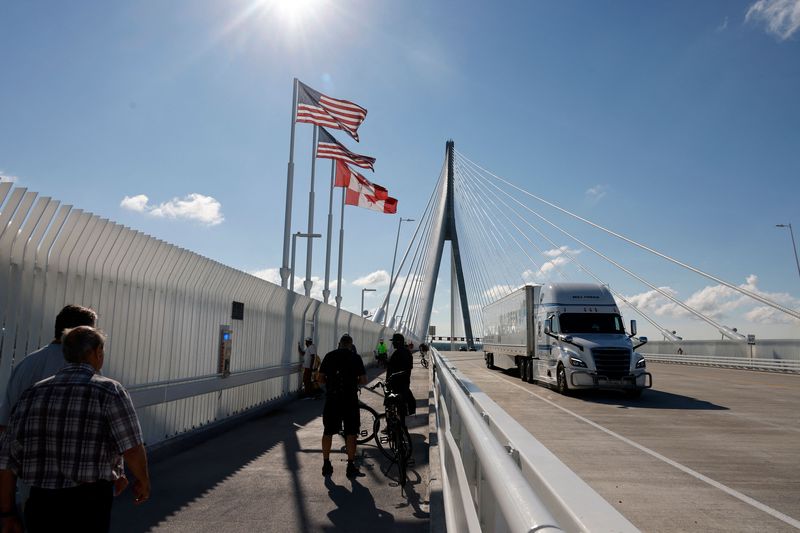
[Financial News] The United States began banning imports on the 29th (local time) of $1 billion worth of products from Canada, including dairy products, alcoholic beverages and motorcycles, amid ongoing trade tensions between the two countries.
Ahead of the ban, U.S. President Donald Trump drew attention by saying that the United States could reach a trade agreement with Canada within the next few weeks.
U.S. and Canadian media reported that, starting at 12:01 a.m. Eastern Time, U.S. customs authorities began refusing imports of Canadian motorcycles, whey protein, molasses, non-alcoholic beer, wine and other alcoholic beverages.
Although the banned products account for a small share of bilateral trade, the move highlights the worsening political and economic relationship between the two countries.
Last month, the United States imposed a 50% tariff on 5% of imports from Canada, prompting Canada to impose tariffs in response.
President Trump said Canada was discriminating against U.S. dairy products, alcoholic beverages and automobiles, and the United States began imposing tariffs of up to 50% on $20 billion worth of products. The United States has imposed a 25% tariff on Canadian automobiles and 50% tariffs on steel and aluminum, while Canada has imposed tariffs of 15% to 50% on more than 700 categories of U.S. imports and a 25% tariff on steel and aluminum products. Most Canadian provinces have also suspended sales of alcoholic beverages from the United States.
Dominic LeBlanc, Canada's chief negotiator at the Canada-U.S. trade minister's office, emphasized, "We are taking note of the implementation of the trade measures announced by the U.S. administration. Our top priority is to protect and support Canadian workers, farmers, households and businesses from unjustified measures." He also stated, "We will focus on areas within our control, including strengthening domestic capacity and diversifying overseas partnerships."
On the 28th, President Trump said a trade agreement with Canada was still possible and predicted that Canada would contact the United States within three to four weeks.
He added, "Canada has treated the United States very unfairly over the years, but ultimately, a fair agreement will be reached."
Alfredo Carrillo Obregón, a trade policy analyst at the Cato Institute in Washington, said, "Using even legislation from the Great Depression era to impose tariffs and ban imports demonstrates the continued deterioration of relations between the United States and Canada." He analyzed the move as "a symbolic message that, even if the actual economic impact is limited, the Trump administration intends to use every available trade policy tool to secure concessions in bilateral negotiations."
He continued, "The current standoff could persist for some time because an agreement can be reached only if both sides reverse positions they have publicly declared and make concessions."
Jamieson Greer, head of the Office of the United States Trade Representative (USTR), said in a CNBC interview last week that the two countries had held productive discussions to reach a deal, but that the United States was not in a hurry.
[email protected] Yoon Jae-jun Reporter