"Transformation of Abandoned Rail Lines"... Korea National Railway Selects Eight Underused-Land Projects
- Input
- 2026-09-29 14:46:44
- Updated
- 2026-09-29 14:46:44
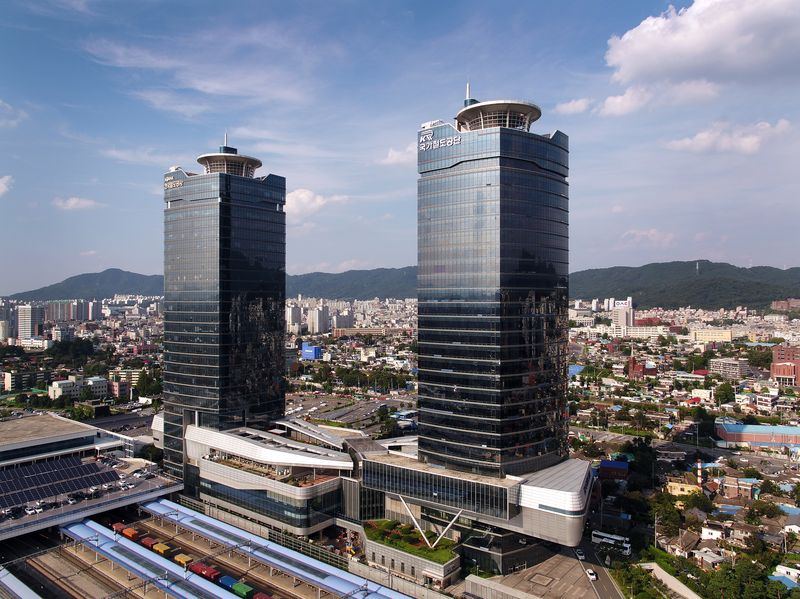
Korea National Railway announced on the 29th that it had finalized the selection of projects submitted by eight local governments nationwide following deliberations for the 2026 Railway Underused-Land Utilization Project.
The Railway Underused-Land Utilization Project redevelops abandoned rail sites and spaces beneath bridges created by the construction of new railway lines or the straightening of existing routes, taking into account local conditions and the characteristics of each site. It aims to provide amenities for residents, reclaim neglected spaces and strengthen regional competitiveness.
Korea National Railway solicited project proposals from local governments nationwide through June. A review committee composed of internal and external experts conducted a comprehensive assessment of the plans, including their feasibility and local residents’ acceptance, before finalizing the selected sites.
A total of eight projects were selected this year. They include Gyeongju’s "Geumjang-Nagan Urban Ecological Forest"; Gijang County’s "Ocean Blue Rail"; Pohang’s "Mugunghwa Garden"; Hwasun County’s "Railway Forest"; Yeongcheon City’s "Sinnyeong Station Disused Railway Carbon-Reduction Urban Forest" and "Geumho-eup Hwangjeong-ri Outdoor Garden"; Jinju City’s "Naedong Cham Story Trail"; and Hadong County’s "Disused Railway Ecological Trail."
Starting at the end of this year, the selected local governments will invest a total of 57.8 billion won to create green spaces, outdoor gardens, walking trails and other amenities across 322,000 square meters, an area roughly equivalent to 45 soccer fields. The Ministry of Land, Infrastructure and Transport (MOLIT) and Korea National Railway plan to support the local governments in using the sites free of charge for up to 20 years through donation and transfer procedures.
Disused rail sites stretching through urban and rural areas have long been criticized for becoming illegal dumping grounds, crime-prone areas or barriers that divide communities. Recently, however, local governments have transformed them into eco-friendly walking trails, tourist rail-bike routes and urban forests, making them examples of resident-oriented urban regeneration that helps revive local commercial districts.
Korea National Railway has continued the project since 2015 and has so far carried out 81 projects in 49 local governments nationwide.
Jung Jin-hyuk, chairman of Korea National Railway, said, "It is highly meaningful that underused railway sites that have completed their role in rail transport can be newly utilized as living and cultural spaces needed by local communities." He added, "We will continue working closely with local governments to further enhance the value of underused railway sites."
[email protected] Kim Won-jun Reporter