Dispute over Undisclosed Transfer of North Korean POWs; Foreign Affairs Committee to Hold Emergency Hearing on 30th
- Input
- 2026-09-29 14:14:27
- Updated
- 2026-09-29 14:14:27
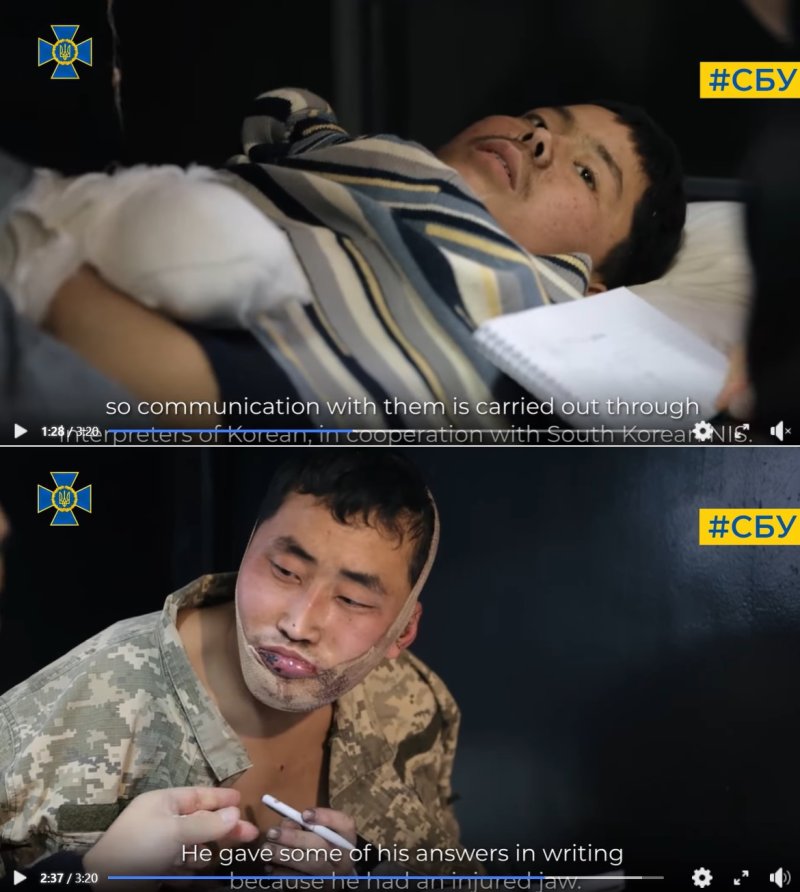
According to political sources on the 29th, the Foreign Affairs and Unification Committee of the National Assembly plans to hold a plenary meeting at 2 p.m. on the 30th to conduct an emergency hearing on the matter. Key issues are expected to include the substance of the confidential agreement between South Korea and Ukraine, how the transfer came to be disclosed, and the government's decision-making process regarding the confidentiality of the matter.
The controversy erupted after Ukrainian President Volodymyr Zelenskyy revealed on the 23rd (local time), during an address to the United Nations General Assembly in New York, that two North Korean POWs had been sent to South Korea. The Ukrainian president disclosed the transfer before the South Korean government, which had not made the information public.
President Lee Jae Myung said the transfer of the North Korean POWs was a sensitive matter that could affect diplomatic and security issues as well as developments on the Korean Peninsula, and that South Korea and Ukraine had agreed in advance to keep it confidential. However, the controversy escalated into a dispute between the two countries over conflicting accounts after Ukraine offered a different explanation. On the 28th, the Ministry of Foreign Affairs (MOFA) summoned Ukraine's acting ambassador to South Korea, expressed regret over Ukraine's unilateral disclosure of the transfer and its explanation of the confidentiality agreement, and demanded an official explanation and apology.
The ruling and opposition parties are also expected to clash over why the government kept the transfer of the North Korean POWs confidential. The People Power Party argues that the government may have concealed the transfer to avoid provoking North Korea at a time when the possibility of resuming talks between North Korea and the United States is being discussed, calling it an attempt to appease North Korea. The Democratic Party of Korea, by contrast, says the measure was taken to protect the safety of the POWs and their families in North Korea, rejecting political interpretations. The government maintains that it considered nothing other than human rights and humanitarian principles during the transfer process.
Whether the government adequately explained the matter to the National Assembly after the transfer is another issue. Democratic Party of Korea lawmaker Park Ji-won, a former director of the National Intelligence Service (NIS), previously criticized the government's response, saying that it had not provided a subsequent explanation even to the ruling party's secretary on the National Assembly Intelligence Committee after the transfer became public. Other issues expected to be addressed during the hearing include the process of confirming the POWs' intentions to defect to South Korea, their legal status after entering the country, and measures to protect their safety.
[email protected] Song Ji-won Reporter