"I Flew 1,876 Kilometers Carrying the 'Korean Dream'" ... Vietnamese Youths Willing to Retake 'This Exam' [On-the-Ground Report]
- Input
- 2026-09-29 17:00:00
- Updated
- 2026-09-29 17:00:00
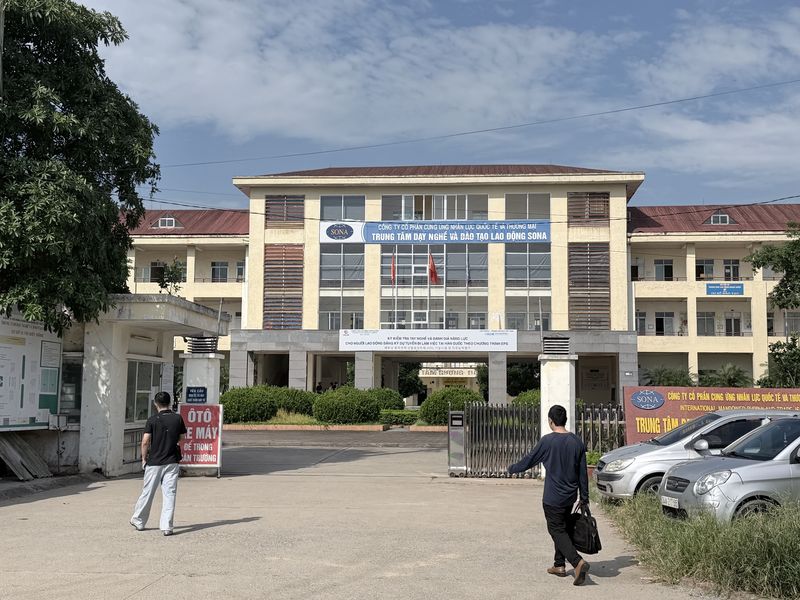
The candidates emerged from the exam looking deeply disappointed. Hoa, who came from Thanh Hoa Province, said, "The listening section was easy, but there were so many unfamiliar words in the reading section that I often could not even understand the questions themselves. I envied my younger brother, who works in Korea through the EPS, and I want to pass this time and make that dream come true."
Candidates must score at least 80 points on the first-stage TOPIK test, which consists of listening and reading and is worth 200 points in the agricultural sector, to take the second-stage skills test. Those who clutched their textbooks until moments before entering the testing hall remained tense to the very end, studying every character in *Easy Korean for Agricultural Workers*. A total of 180 candidates took the exam at the SONA Vocational Training Center that day.
Unlike short-term seasonal workers on E-8 visas, who work for 5 to 8 months, workers under the government-managed Employment Permit System (EPS) can legally stay in Korea long term if they receive an E-9 visa for nonprofessional employment through the official government track. They can stay for an initial three years and for up to 4 years and 10 months with an extension. The ability to earn several times the annual starting salary of a Vietnamese college graduate each month is seen by young people as a chance to change their lives.
"I Earn 410,000 Won After a Month of Hard Work ... In Korea, the Daily Wage Is 90,000 Won"
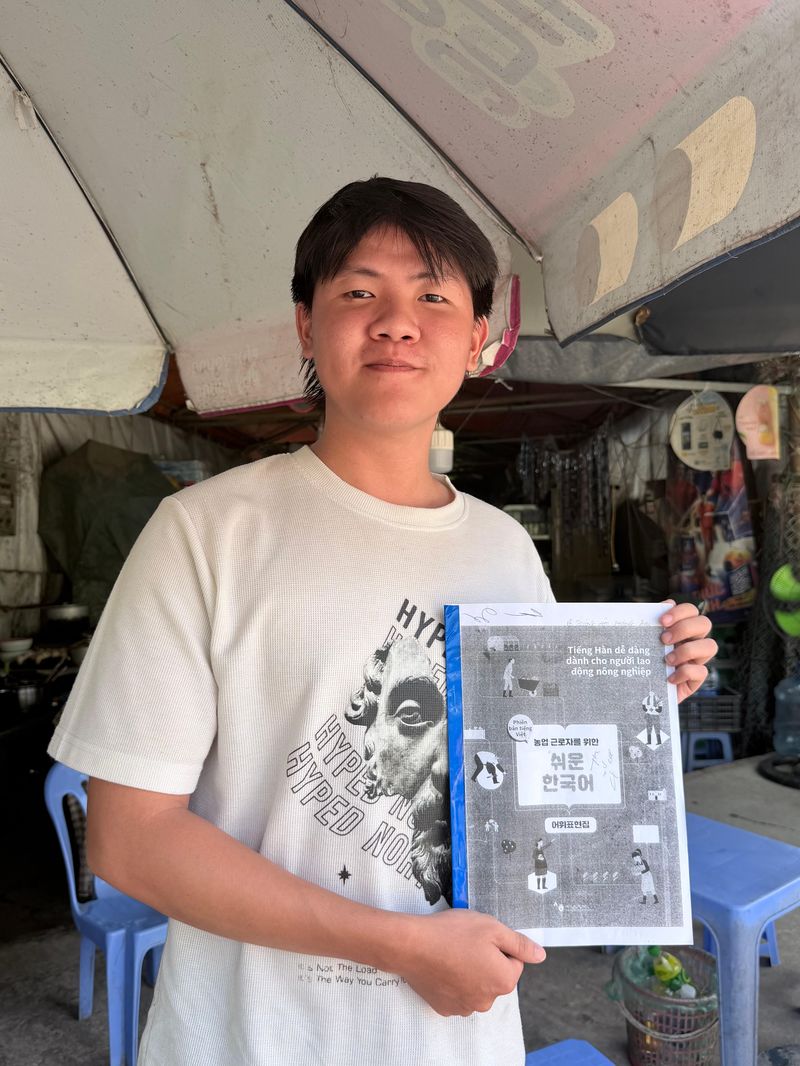
Many of the candidates interviewed by this newspaper were taking the exam for a second or third time. A considerable number had strategically chosen agriculture instead of the more fiercely competitive manufacturing sector.
Thuong, a man in his 20s from Lang Son Province, said, "I applied for the manufacturing sector last year, but the competition was too intense. I have to go to Korea this year, so I strategically chose to retake the exam in the agricultural sector and prepared by attending a Korean-language academy."
The candidates' decisions to pursue work in Korea were also influenced by vivid advice and recommendations from acquaintances. Ti, who came from Soc Trang, said, "Someone in my family works in Korea, so I heard directly about the working conditions and income before making my decision. I want to work hard while I am young and save seed money for a business in Vietnam." Lam, who came from Vinh Phuc Province, said, "A friend working in Japan was exhausted by interpersonal relationships and cultural differences and said the wages were low. The friend advised me against Japan and recommended going to Korea."
In practice, working at a local restaurant in Vietnam may earn someone only 8 million dong a month, or approximately 410,000 won, whereas workers can take home 90,000 to 100,000 won a day in rural Korean villages. Lap, another candidate from Lang Son Province, also expressed optimism, saying, "My friend in Korea had a major influence on me. If I am going to live abroad anyway, it will be much easier to adjust in a place where I have a friend."
"Korea Over Disaster-Prone Japan and Low-Wage Taiwan"
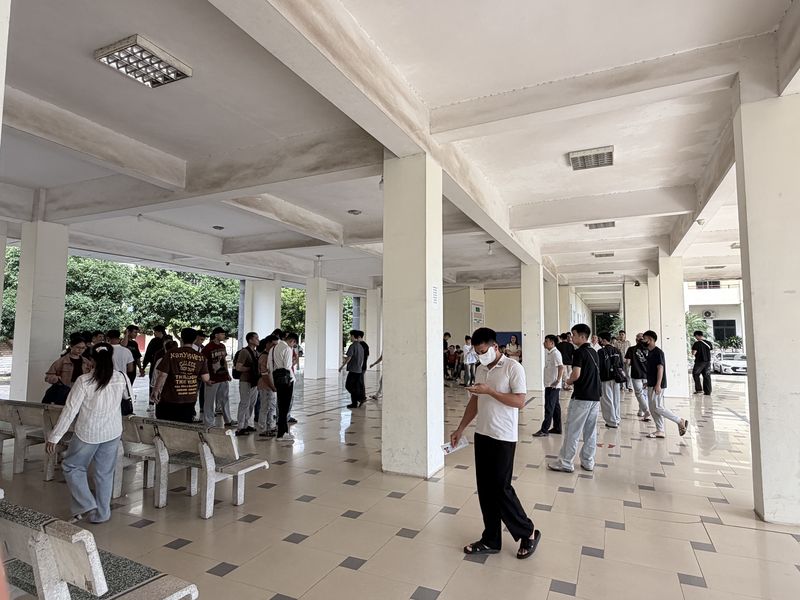
Although Japan has the largest number of workers, Korea is also highly popular among Vietnamese applicants. The government-led EPS is popular because it prevents private brokers from intervening, ensuring transparency, while Korea's high minimum wage is another draw. In Japan and Taiwan, by contrast, private agencies dominate the market.
As a result, Vietnamese workers hoping to go abroad generally view the government-backed EPS as far more reliable than programs in Japan and Taiwan, where working conditions and environments vary widely by agency.
Yen, who came from An Giang, said, "In Japan and Taiwan, it is difficult to prepare on your own, and there are many middlemen, so the costs are high. With the EPS, you only need to prepare for the Korean-language test, which is convenient, and Korea's minimum wage is also higher."
Ha, who came from Hai Duong Province, cited natural disasters as a reason. Ha said, "When I watch the news, it seems that earthquakes and typhoons occur frequently in Japan and Taiwan, so I decided to go to safe Korea."
Brokers Prey on Desperate Applicants, Leaving Them with a 100 Million-Dong Debt Burden
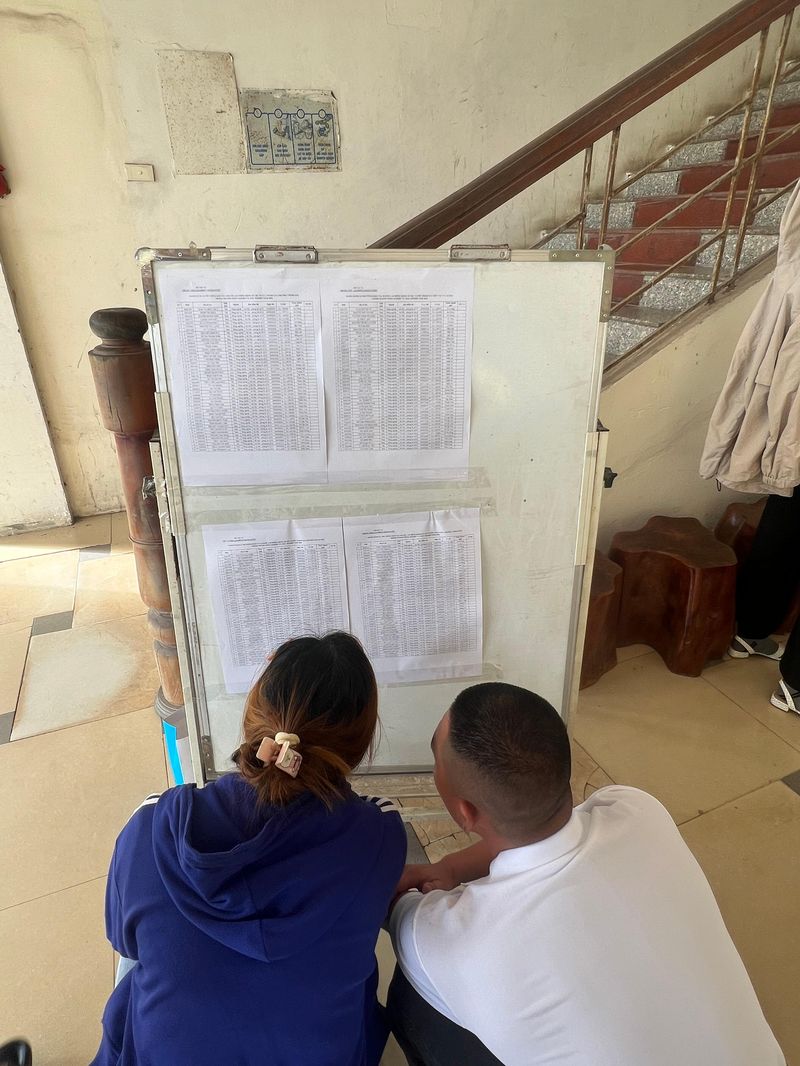
A local official pointed out, "Applicants living in rural areas have relatively little access to accurate information, making them easy targets for private brokers. Some brokers still demand under-the-table payments by approaching applicants and saying, 'I know an executive at the Human Resources Development Service of Korea' or 'I can manipulate your interview score.' Fraudulent practices also remain rampant, with brokers arranging proxy tests through Telegram and other platforms or attempting to forge identity documents for applicants with limited Korean-language skills."
There are also concerns that institutional safeguards designed to prevent workers from absconding and overstaying are instead producing the opposite effect.
To prevent its workers from absconding, the Vietnamese government currently operates a return-guarantee deposit system that requires them to deposit 100 million dong, or approximately 5.23 million won, at a designated bank before departure. If they leave without authorization, the entire deposit is confiscated by the state.
The problem is that most applicants receive financial support from their families or take out loans to raise the money, entering Korea deeply in debt. Lam said, "Even if I pass, the deposit is a major concern. We may have to pool all the money from our family of five."
Although the Vietnamese government operates a linked program for preferential unsecured loans through the Vietnam Bank for Social Policies (VBSP), critics say finances remain tight when the initial settlement costs in Korea are taken into account. There are also calls to improve the restriction on changing workplaces, which prevents foreign workers from freely changing jobs without their employer's consent.
[email protected] Kim Jun-seok Reporter