Rising U.S. Treasury yields shake stock markets and put pressure on the global economy, including South Korea's growth
- Input
- 2026-09-29 14:47:11
- Updated
- 2026-09-29 14:47:11
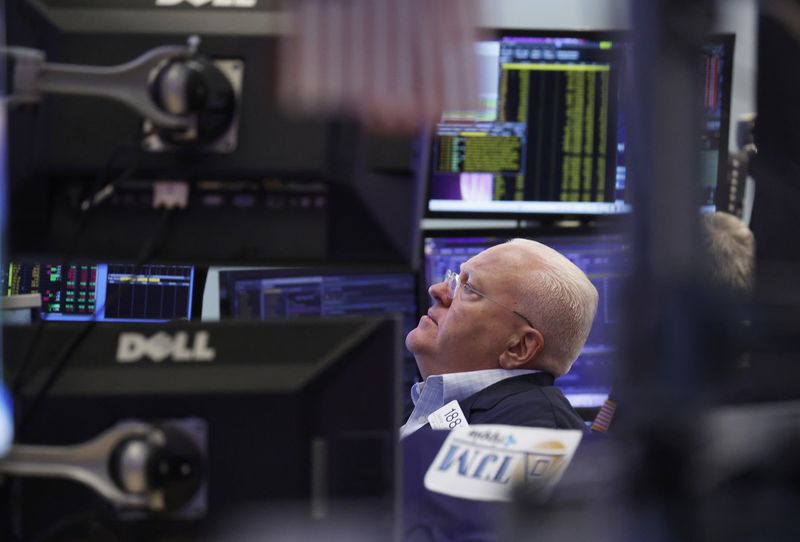
[Financial News] U.S. Treasury yields surged again, shaking the New York stock market. The dollar strengthened, while gold prices fell. With the breakdown of psychological resistance levels strengthening expectations of further benchmark interest rate hikes, concerns about the impact spreading to the global economy also intensified. Concerns have also grown regarding the Korean economy, including a slowdown in semiconductor exports due to reduced investment in artificial intelligence (AI).
On the 28th (local time), the U.S. 10-year Treasury yield, the benchmark for global interest rates, rose 6.1 basis points (1 bp = 0.01 percentage points) from the previous session to 5.241%. This was its highest level since June 12, 2007. It rose as high as 5.272% during the session. The market predicted that if the psychological resistance level of 5.25% were breached, the 10-year Treasury yield could surge to 5.6–5.9%.
The U.S. 30-year Treasury yield rose another 0.06 percentage points to 5.561%, reaching its highest level in 24 years since June 10, 2002. As the 30-year yield had already breached the 5.35% resistance level, some analysts also predicted that it could rise to 5.9–6.25%. As Treasury yields surged again, the three major U.S. stock market indices plunged across the board. The Dow Jones Industrial Average (DJIA) closed at 51,481.51, down 347.11 points (0.67%) from the previous session. The S&P 500 Index fell 59.72 points (0.77%), while the NASDAQ Composite Index dropped 248.34 points (0.92%).
International oil prices surged and selling pressure on U.S. Treasuries reignited after the U.S. rejected Iran's proposal, which included reopening the Strait of Hormuz. Brent crude futures, the international benchmark, closed at $105.28 per barrel, up 0.9%. International oil prices had surged more than 4% during the session amid concerns over supply disruptions, but pared their gains as the possibility of dialogue between the U.S. and Iran emerged.
November-delivery Brent crude futures closed at $105.28 per barrel, up 0.92% from the previous session, while October-delivery West Texas Intermediate (WTI) crude closed at $92.60 per barrel, up 0.21%.
According to the Chicago Mercantile Exchange (CME) FedWatch Tool, the interest-rate futures market raised the probability that the Federal Reserve System (Fed) would raise the benchmark interest rate by an additional 0.25 percentage points at the upcoming October Federal Open Market Committee (FOMC) meeting to 70.3%.
The dollar strengthened. The Dollar Index (DXY), which reflects the dollar's value against six major currencies, rose to 101.219. Gold prices fell amid rising U.S. Treasury yields and a stronger dollar. The international spot price of gold fell 3.61% to $4,131.53 per ounce.
Mark Zandi, Moody's Corporation's chief economist, told Yahoo Finance on the 28th (local time) that "the economy has started to weaken due to soaring interest rates," and predicted that "if this continues into next year, it will face substantial difficulties, including a severe blow."
[email protected] Lee Seok-woo, International Specialist Reporter