Half of the “2026 Beautiful Private Gardens of Korea” Are Located in Jeonnam-Gwangju
- Input
- 2026-09-29 09:10:20
- Updated
- 2026-09-29 09:10:20
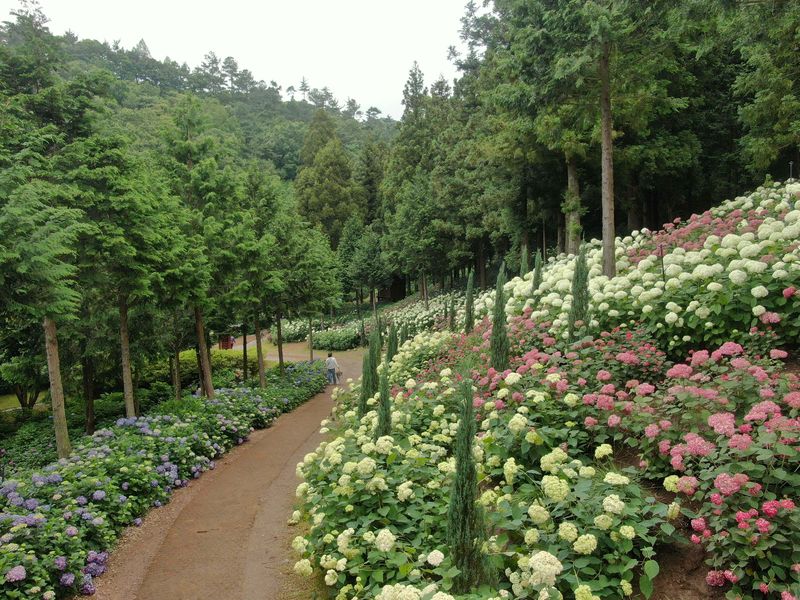
【Financial News, Jeonnam-Gwangju = Reporter Hwang Tae-jong】Half of the “2026 Beautiful Private Gardens of Korea” are located in Jeonnam-Gwangju Special Metropolitan City (Gwangju Metropolitan City).
Gwangju Metropolitan City said on the 29th that 15 private gardens in the Jeonnam-Gwangju area were included among the “2026 Korea’s 30 Beautiful Private Gardens” selected by the Korea Forest Service and the Korea Arboreta and Gardens Institute. This was the largest number among local governments nationwide.
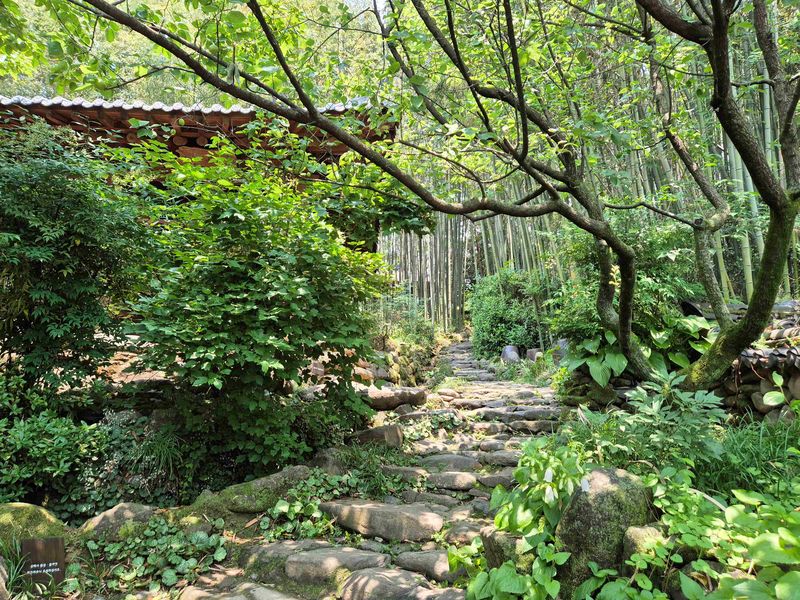
By category, Gurye Banyawon and Ssangsanjae, Boseong Galmel Garden, and Hwasun Solmaeum Garden were selected in the “Gardens Capturing the Spirit and Charm of Pungryu” category; Yeosu Kkumkkuneun Garden and Hampyeong Cheonji Montvert in the “Gardens for Enjoying the Romance of the Countryside” category; Suncheon Hwaga-ui Jeongwon Sanchaek, Goheung Hadamjeong, and Haenam Sani Garden in the “Gardens of Art and Culture” category; Goheung Healing Park Ssukseom Ssukseom, Boseong Seongnim Garden, Boseong Kkumkkuneun Sup Seonyuwon, and Jangheung Haneulbit Arboretum Garden in the “Gardens Offering Rest and Recovery” category; and Damyang Jukhwagyeong and Hwasun Mudeungsan Bau Garden in the “Gardens with Special Themes” category.
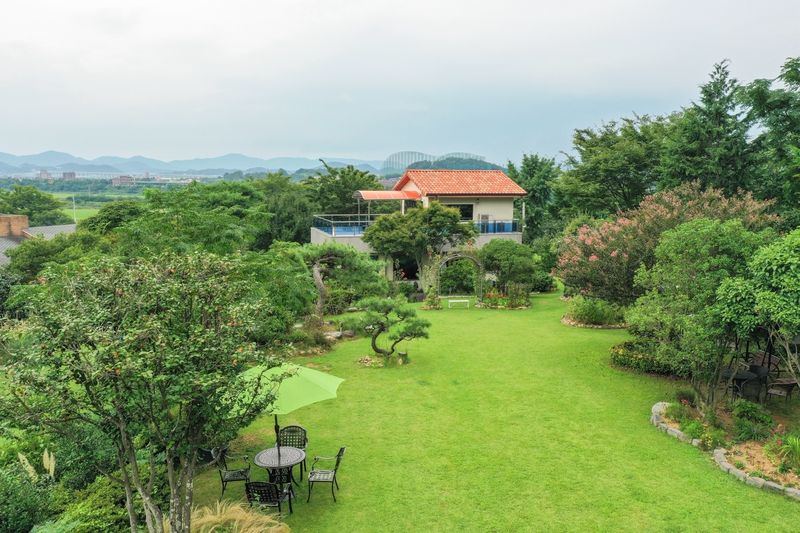
The Korea Forest Service and the Korea Arboreta and Gardens Institute select “Korea’s 30 Beautiful Private Gardens” every two years. This year, they reviewed 184 private gardens nationwide, including 22 registered in Gwangju Metropolitan City, and selected 30 gardens nationwide, including 15 in Jeonnam-Gwangju, based on document reviews, evaluations by outside experts, and the results of an online vote joined by more than 20,000 members of the public.
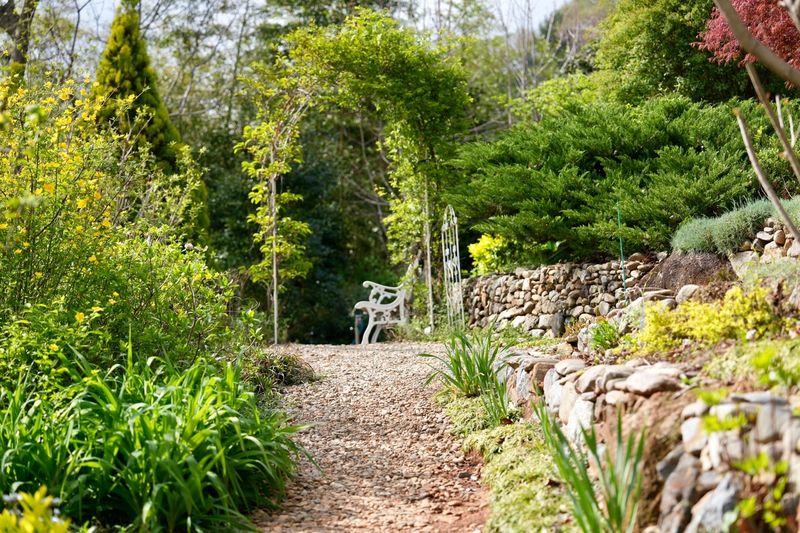
Gwangju Metropolitan City analyzed this year’s selection of 15 gardens, up from 10 in 2024, as the result of its efforts to promote private gardens. The city is the only local government nationwide to support private-garden enhancement projects and a festival aimed at developing private gardens as tourism resources to counter regional depopulation and as hubs for garden culture in local communities. It also attributed the results to public-private communication and cooperation to promote private gardens.
In fact, Gwangju Metropolitan City was the first local government in the country to launch the “Pretty Garden Contest,” discovering 68 outstanding gardens. Of these, 15 were registered as private gardens.
Moon Mi-ran, head of the Forest Recreation Division at Gwangju Metropolitan City, emphasized, "It is meaningful that gardens registered and operated through public-private cooperation have gained nationwide recognition."
The Korea Forest Service and the Korea Arboreta and Gardens Institute plan to present the selected private gardens with “Korea’s Beautiful Private Gardens” plaques (bronze plaques) and promote them on their websites and through other channels.
Gwangju Metropolitan City also plans to accept applications for private-garden enhancement projects and a festival next year and provide support.
Moon Mi-ran, head of the Forest Recreation Division, said, "We will actively support local private gardens so that they can provide citizens with spaces for rest and healing and become tourism resources that help combat regional depopulation."
[email protected] Hwang Tae-jong Reporter