"Treasury Yields Need to Rise Further to Break Free of Oil's Influence"
- Input
- 2026-09-29 04:20:38
- Updated
- 2026-09-29 04:20:38
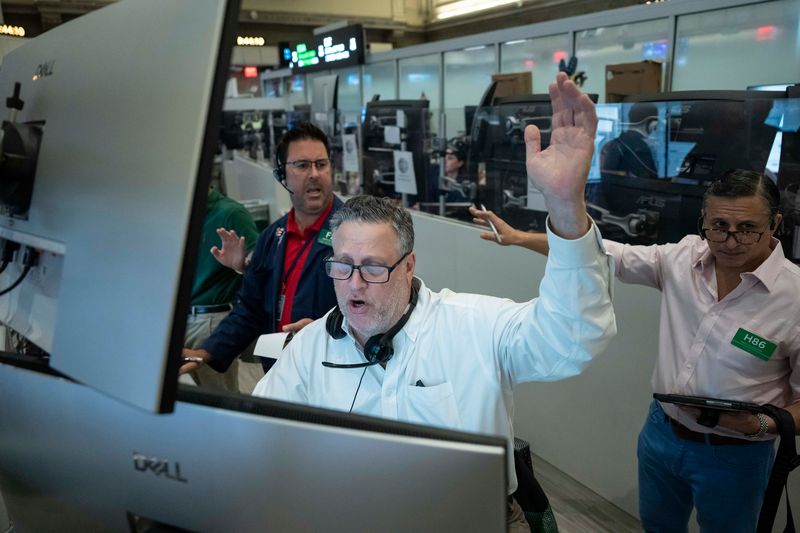
U.S. Treasury yields surged across the board on the 28th (local time). International oil prices spiked during morning trading amid skepticism that the United States and Iran would reach a compromise over reopening the Strait of Hormuz.
Brent crude for November delivery surged more than 4% early in the session, climbing as high as $108.83 per barrel. Oil prices rose after reports that President Donald Trump had rejected Iran's proposal to open the Strait of Hormuz for seven days.
As a result, selling pressure on U.S. Treasuries resumed, sending yields—which move inversely to prices—higher.
The 10-year Treasury yield, a global benchmark, rose 0.09 percentage points from the previous session to 5.27%. That was its highest level since 2007, or a 19-year high. The two-year yield, which is sensitive to the Federal Reserve's interest-rate outlook, also jumped 0.09 percentage points to 4.96%.
Ian Lyngen, head of U.S. rates strategy at BMO Capital Markets, told the Financial Times (FT) that the rise in Treasury yields would continue for the time being.
“The shock from the Iran war continues to weigh on the global economy,” Lyngen said. “There will eventually come a point at which energy price movements no longer affect U.S. yields and other rates, but what is clear is that the market has not yet reached that inflection point.”
Amid rising oil prices, the United Kingdom's 10-year gilt yield also reached 5.44%, its highest level since 2007. Yields on government bonds in France and Italy rose as well, reaching their highest levels in years. France's 10-year government bond yield hit its highest level since 2008.
All three major U.S. stock indexes fell amid the impact of higher oil prices and Treasury yields.
Oil prices driven higher by the Iran war, along with the resulting inflation, are prompting central banks around the world to raise interest rates.
The Federal Reserve raised interest rates by 0.25 percentage points on the 16th. It was the first rate hike in more than three years, since 2023. Markets are forecasting four additional hikes by this time next year.
Ajay Rajadhyaksha, global head of research at Barclays, said, “There is no magic to these yield levels,” arguing that there is currently no obstacle to stopping the upward trend. He said a reversal would be possible only if “the U.S. economy starts to slow or rising yields begin to ‘bite’ risk assets such as stocks,” adding, “We have a long way to go.”
Pooja Kumra, a rates strategist at TD Securities, likewise said the current bond sell-off was being fueled by a combination of “persistent economic resilience” and the lack of a roadmap for how the war will end. She noted that investors believe high interest rates will persist for longer.
Paul Watters, global head of European credit research at S&P Global Ratings, also said, “Based on the current assessment, Treasury yields may gradually move higher from here,” partly “because we expect the energy price shock to persist into next year.” Watters added that the release of oil from strategic reserves around the world means “the buffer is weakening.”
[email protected] Song Kyung-jae Reporter